


ILYA CHIRUN. PRESERVING THE LIGHT
Why does an artist return to nature again and again? For Ilya Chirun, the answer has little to do with the search for spectacular subjects or the desire to record the beauty of the world exactly as the eye perceives it. Nature becomes a space for constant observation, reflection and emotional experience. It is here that impressions are born, later finding their expression in paint.
The world depicted in his paintings is instantly recognisable: blossoming orchards, woodland paths, the seashore, quiet rivers and snow-covered parks. Yet recognisability is never an end in itself. Every motif passes through the artist's personal perception, shedding incidental details and acquiring a new emotional resonance. Each painting retains the memory of a particular place, yet speaks less about the location itself than about the state of mind it once inspired.
Light therefore occupies a central place in Chirun's work. It does far more than reveal form or create volume. It becomes the very language of his painting, unifying space, shaping colour and conveying the emotional atmosphere of each composition. Morning air, evening twilight, shimmering reflections upon water or sunlight filtering through foliage are not treated as mere natural phenomena; they become active participants in the pictorial narrative.
This approach to landscape developed gradually. Behind the apparent freedom of execution, the luminous palette and the effortless sense of spontaneity lie years of disciplined practice, rigorous academic training and an enduring determination to understand nature not only through observation, but through feeling. For this reason, Chirun's paintings appear both immediate and deeply considered. Nothing within them is accidental. Every composition grows out of attentive observation, professional experience and the desire to preserve a fleeting moment that can never truly be repeated.
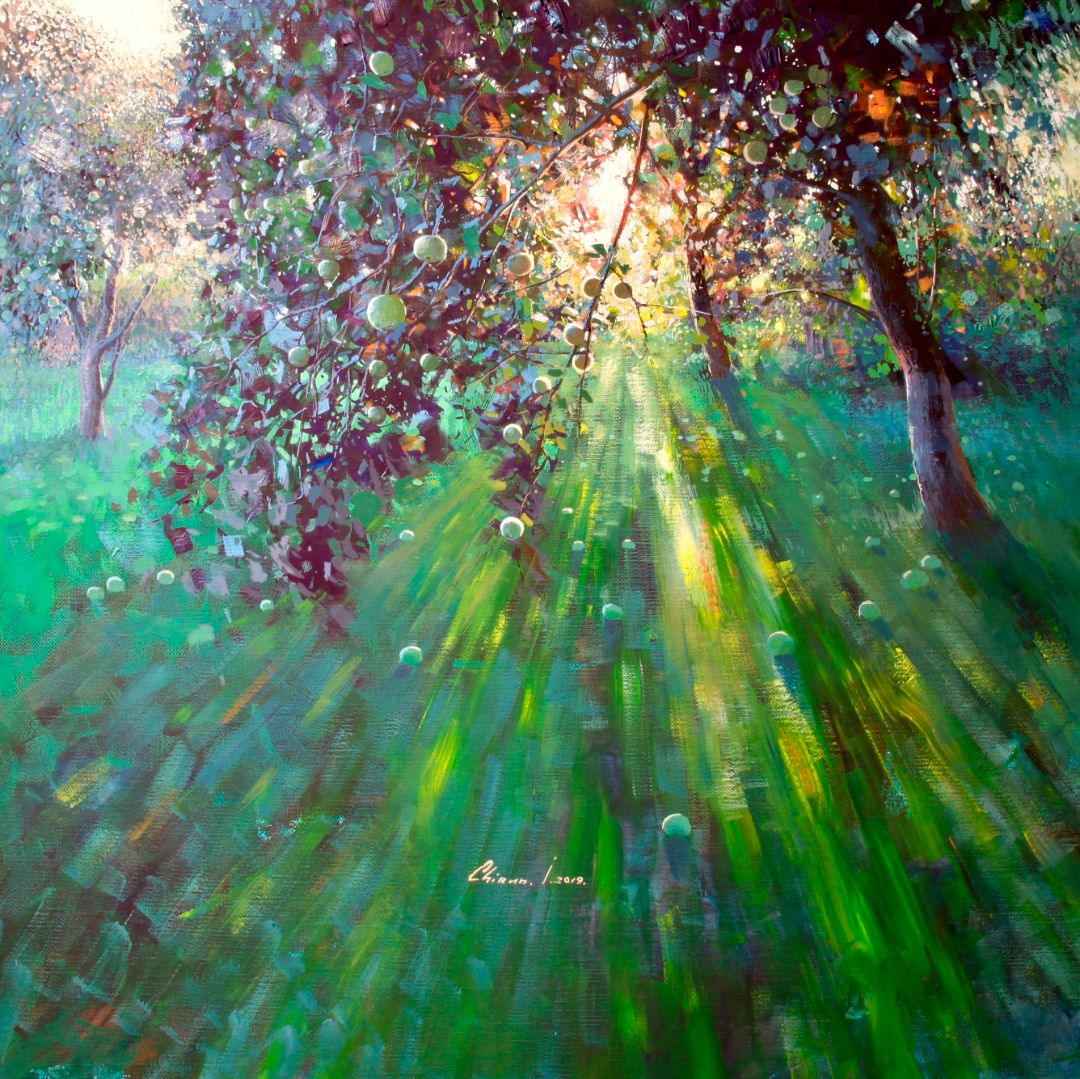
Autumn Shadows, 2019. Oil on canvas, 160 × 160 cm.
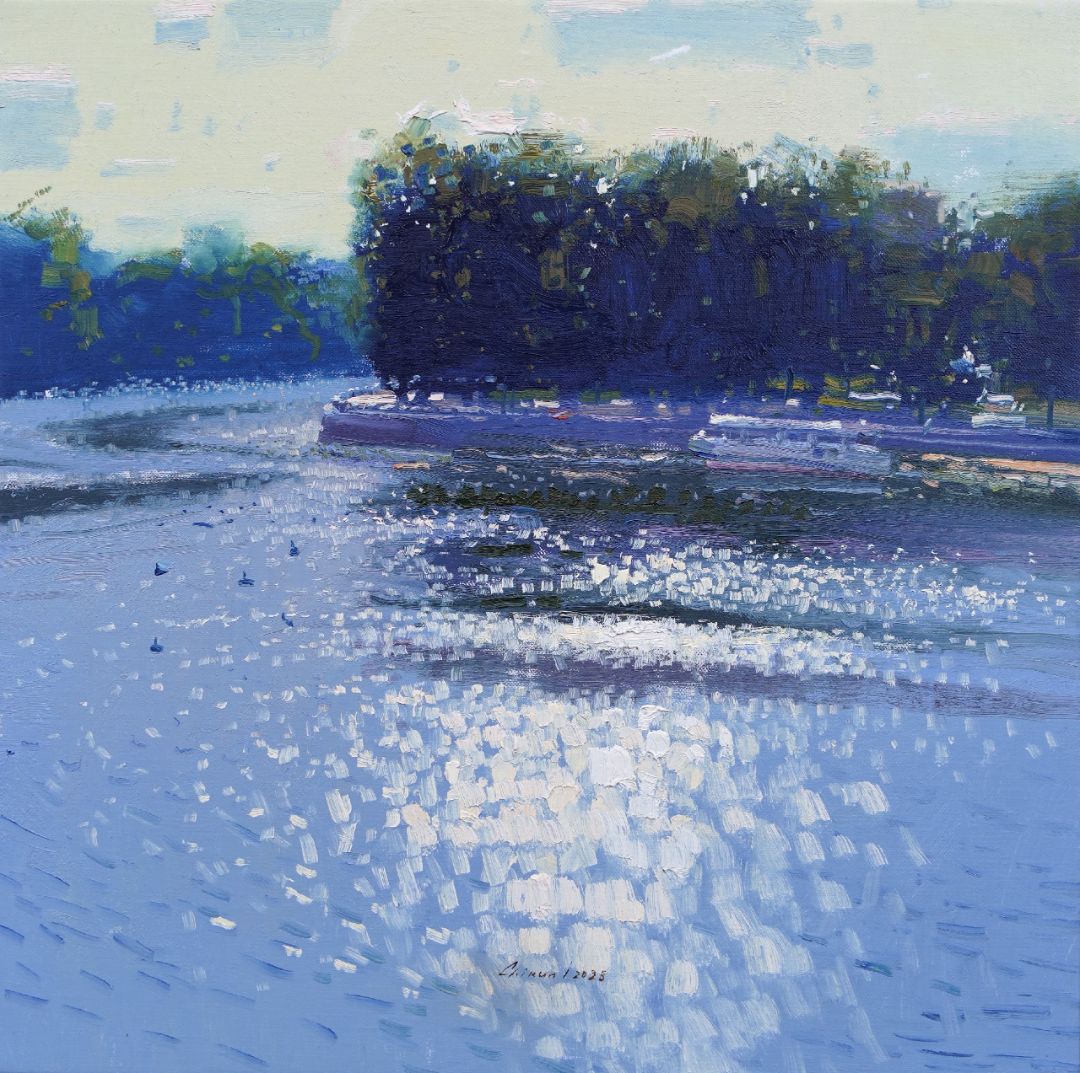
Brest, 2025. Oil on canvas, 45 × 45 cm

Pomegranate Autumn, 2025. Oil on canvas, 160 × 160 cm
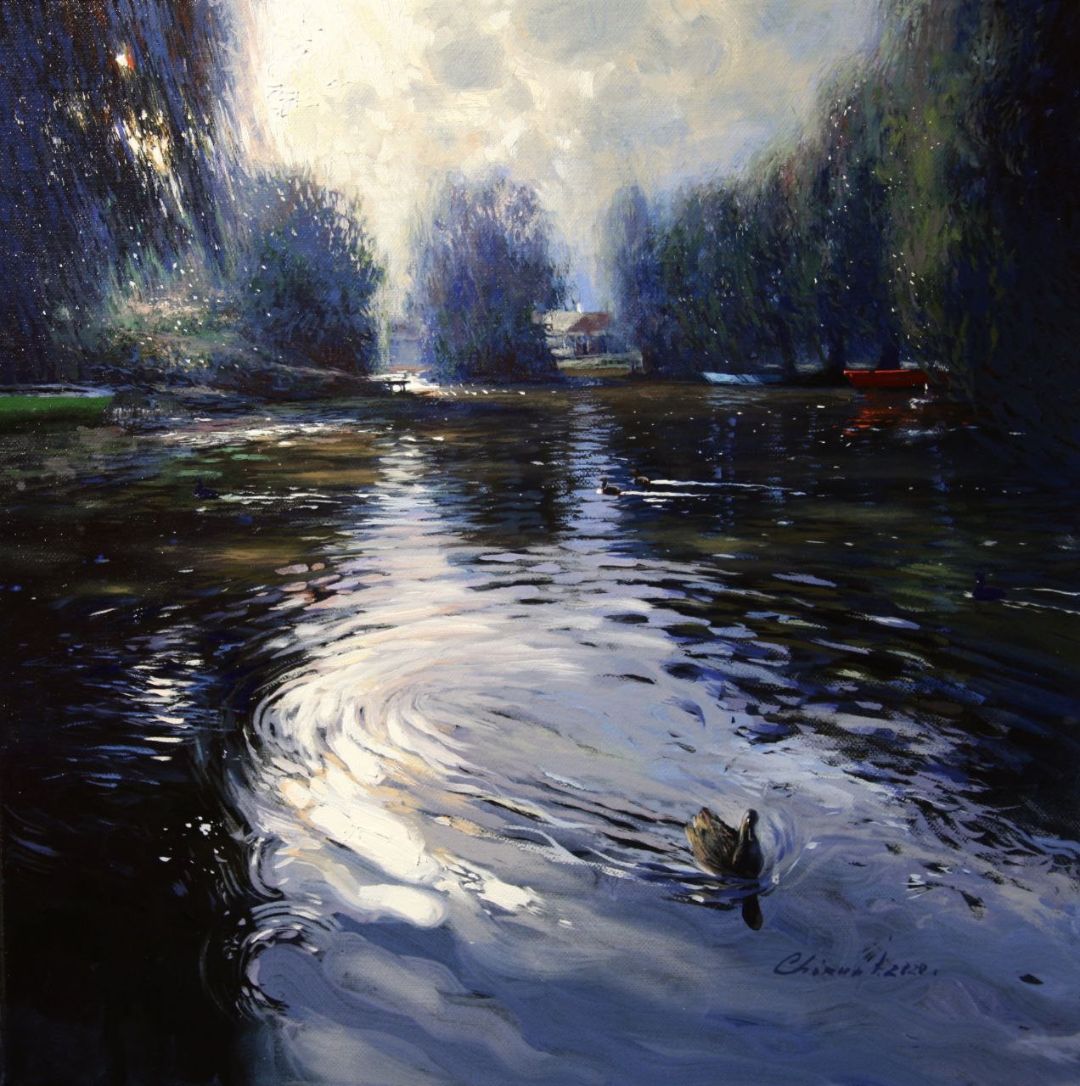
Reflections. Pereslavl, 2020. Oil on canvas, 35 × 35 cm
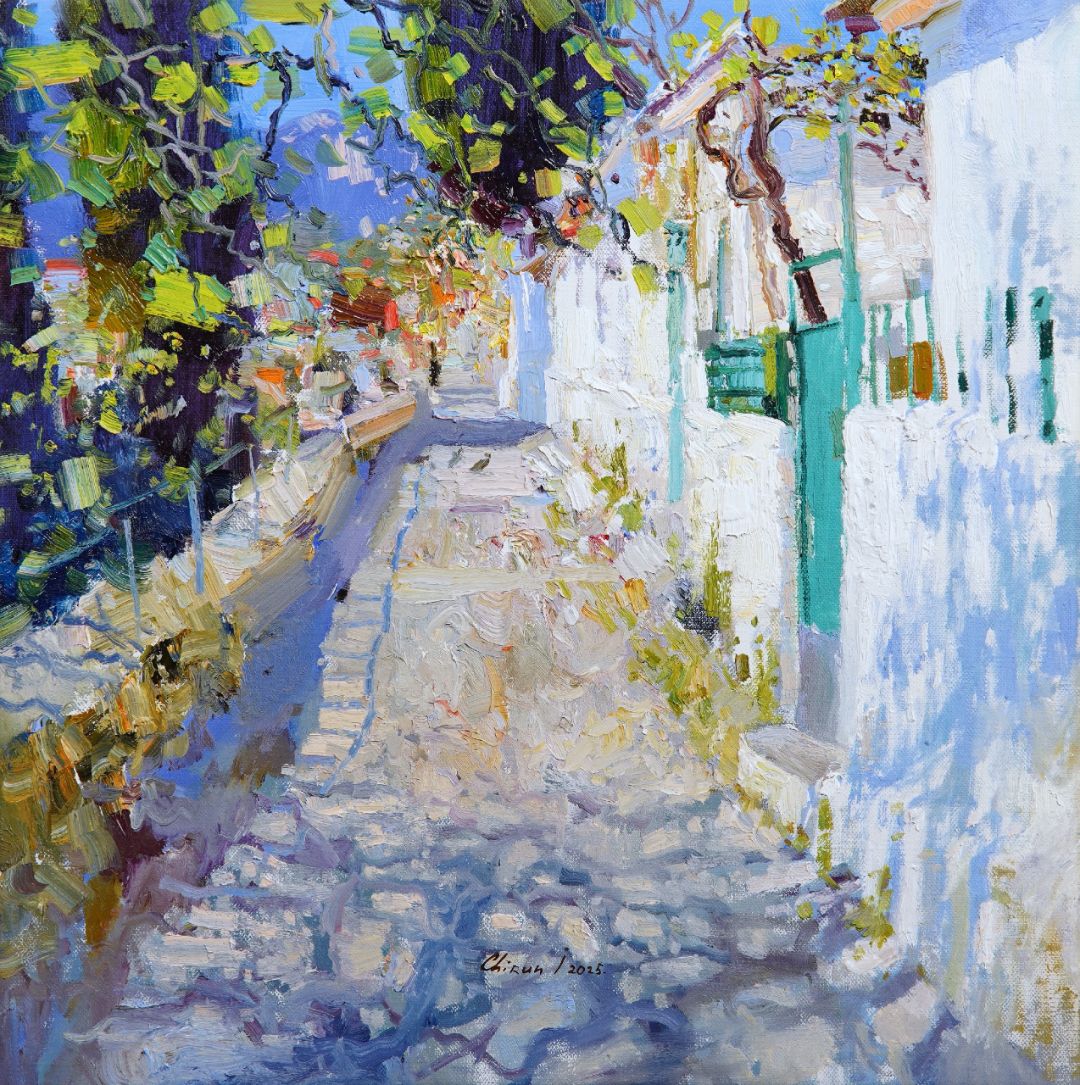
Midday in Gurzuf, 2025. Oil on canvas, 40 × 40 cm
Today, Ilya Chirun occupies a distinctive place within contemporary Russian landscape painting. His works are held in private collections across numerous countries, exhibited internationally and readily recognised for their individual pictorial language. Yet this alone does not define his achievement. Over many years he has patiently created a world of his own, in which nature is no longer merely a subject to be depicted, but a source of light, movement and inner harmony. It is this ability to transform direct observation into an emotionally resonant artistic image that gives his work its unmistakable character.
Ilya Chirun has worked with Nevskaya Palitra oil and tempera colours for many years. Over time, they have become a natural part of his painting practice — materials whose qualities he knows well and can rely on in his work. Ilya values their clean, saturated colours, consistent quality and the way they behave throughout the painting process. At the heart of his palette are time-tested professional colours — cadmiums, cobalts, ultramarines and earths. Yet the palette itself is never fixed. Ilya enjoys experimenting, trying new colours, bringing them into his work and exploring the possibilities they offer. New colours therefore appear alongside the established core, while others may disappear for a time. His palette evolves with the demands of his painting, changing according to the particular period, the nature of the work or an entire series of paintings.
THE ARTIST'S JOURNEY
Ilya Chirun's journey into painting began long before it became his profession. Born on 4 March 1985 in Yakhroma into the family of an artist, he grew up in an environment where art formed a natural part of everyday life. His first attempts at drawing were never regarded as anything exceptional or as a conscious step towards a future career; rather, they were a continuation of the creative atmosphere that surrounded him from childhood. Art school, independent drawing and an enduring desire to observe and depict the world gradually evolved into a lasting vocation that would shape the course of his life.
After leaving school, Chirun enrolled at the Faculty of Fine Arts and Graphic Design at Moscow State Regional University, where he studied in the easel graphics studio of Alexei Vitkovsky. His academic education provided him with a solid professional foundation, encompassing drawing, composition, form, colour and spatial construction. Equally significant were the plein air sessions, which offered daily opportunities to work directly from nature while carefully observing its ever-changing conditions. It was during these years that he came to understand that artistic mastery begins not with the search for an individual style, but with learning how to see. The disciplined study of academic principles taught him to analyse form, perceive structural relationships and understand the organisation of pictorial space. In later years, this training became the foundation that allowed him to handle colour, light and painterly texture with increasing freedom while never sacrificing the inner credibility of the image.
After graduating, Chirun continued to paint while also working in the cultural sector. This period became an important stage in his professional development. It gave him the opportunity to define his artistic priorities without haste, accumulate experience and confirm that painting alone was to become the central purpose of his life.
Early Works by Ilya Chirun
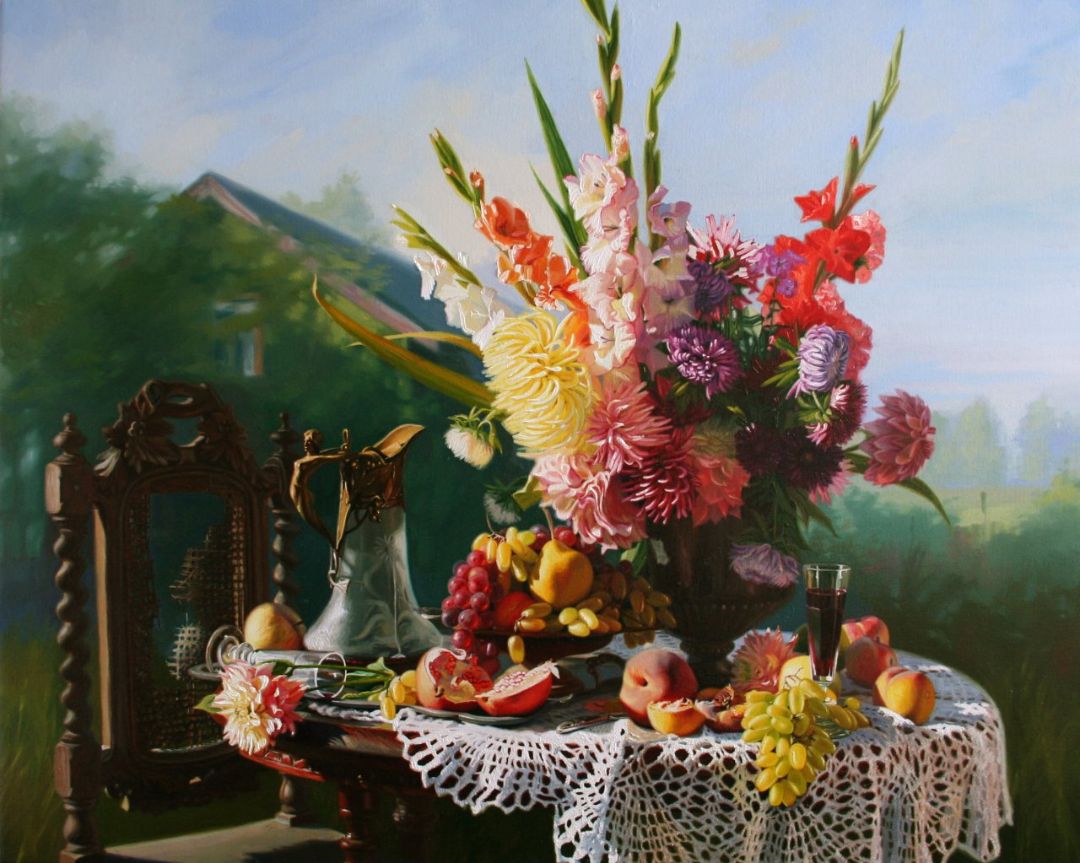
Still Life, 2010. Oil on canvas
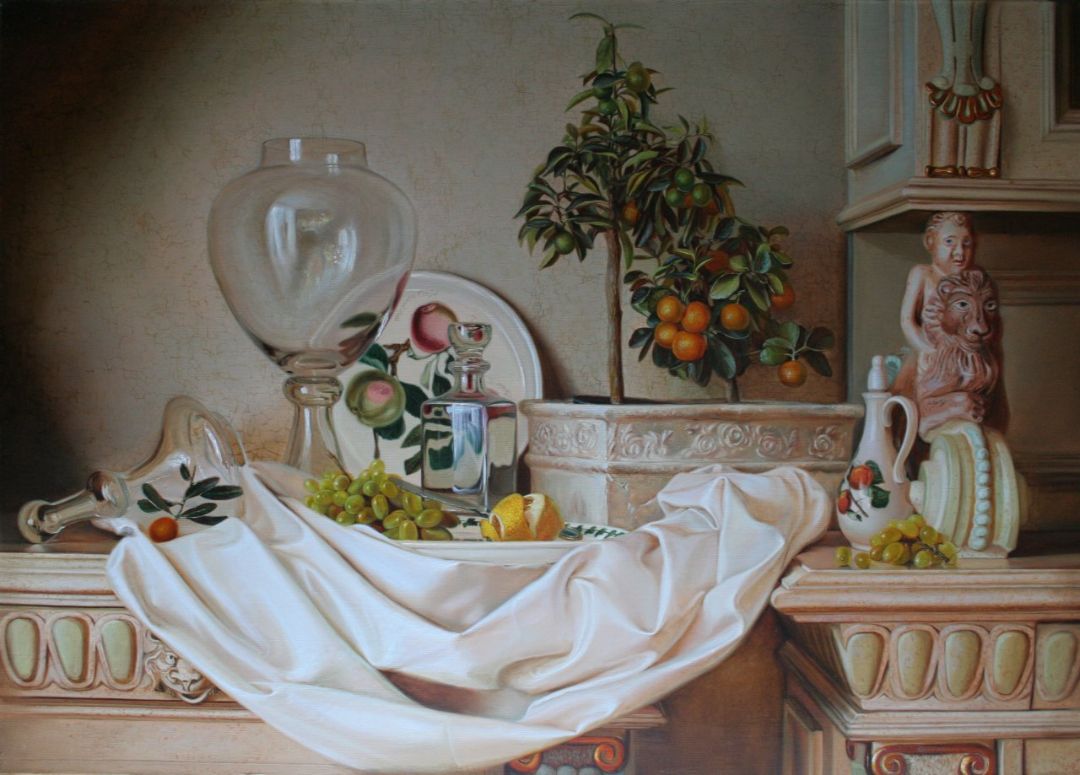
Still Life, 2010. Oil on canvas
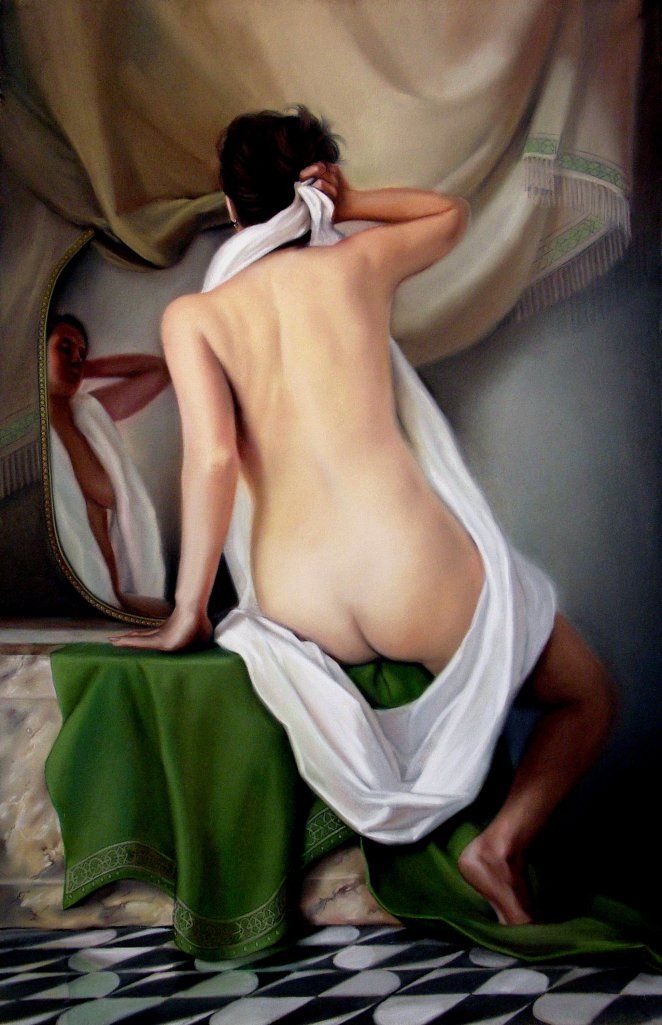
Nude. Pastel on paper,2010. 90 × 60 cm
His decision to devote himself entirely to art was not a sudden leap of faith. It emerged gradually through professional experience, growing confidence and a deep sense of responsibility towards his family. It was important to him that painting should become not only his vocation but also a reliable profession, capable of providing stability and security for those closest to him. Only when he felt that this had become possible did he finally leave his other employment and dedicate himself wholly to art.
This decision profoundly influenced the subsequent development of his work. The opportunity to spend each day in the studio, travel regularly for plein air painting, discover new motifs and steadily refine his own visual language transformed painting from an inner necessity into a continuous creative practice. It was during this period that his first major series appeared, the themes that continue to occupy his imagination took shape, and the artistic direction of his work became fully established.
Looking back today, the coherence of this journey becomes strikingly clear. Every stage—from childhood drawings and rigorous academic training to an independent professional career—formed part of a single, continuous process. This is precisely why Chirun's work reveals no abrupt stylistic breaks or pursuit of superficial effects. His pictorial language developed gradually, preserving a profound respect for academic tradition while allowing ever greater freedom for a deeply personal experience of nature.
BEAUTY AS A CHOICE
Ilya Chirun's paintings are often described as luminous, life-affirming and emotionally open. Yet this impression arises from far more than their vibrant palette or sunlit landscapes. At the heart of his work lies a distinctive way of engaging with the world—attentive, contemplative and profoundly personal. He does not seek dramatic locations or extraordinary subjects. Instead, he is drawn to those fleeting states of nature capable of evoking a genuine emotional response.
For this reason, blossoming orchards, woodland paths, tranquil waters, spring trees, autumn avenues and snow-covered roads appear so frequently in his paintings. These are scenes familiar to everyone, yet in Chirun's work they acquire remarkable expressive power. He possesses the rare ability to recognise the brief moment when light, atmosphere and colour come together in perfect harmony, transforming the ordinary into something quietly extraordinary.
In Chirun's understanding, beauty never exists in isolation. It emerges through attentive observation and inner concentration. The same landscape may appear serene or charged with energy, transparent or richly saturated, vibrant with movement or almost motionless. Everything depends upon the particular state of nature revealed at that precise moment. Consequently, each painting becomes not a depiction of a specific location, but the recollection of an experience once profoundly felt.

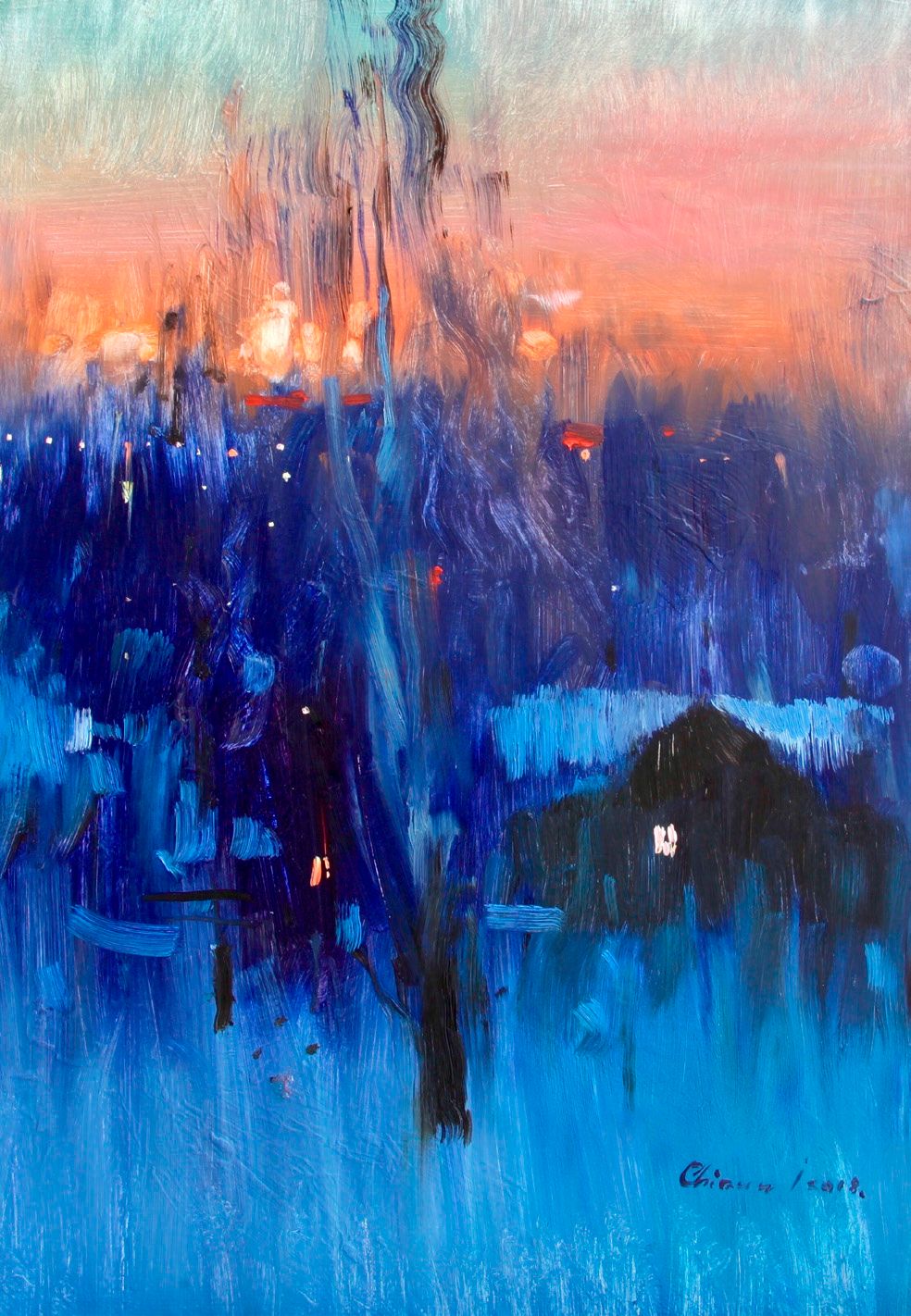
Evening in Andreyevskoye, 2018. Oil on canvas, 30 × 50 cm.

Shore of Lights, 2025. Oil on canvas, 120 × 120 cm
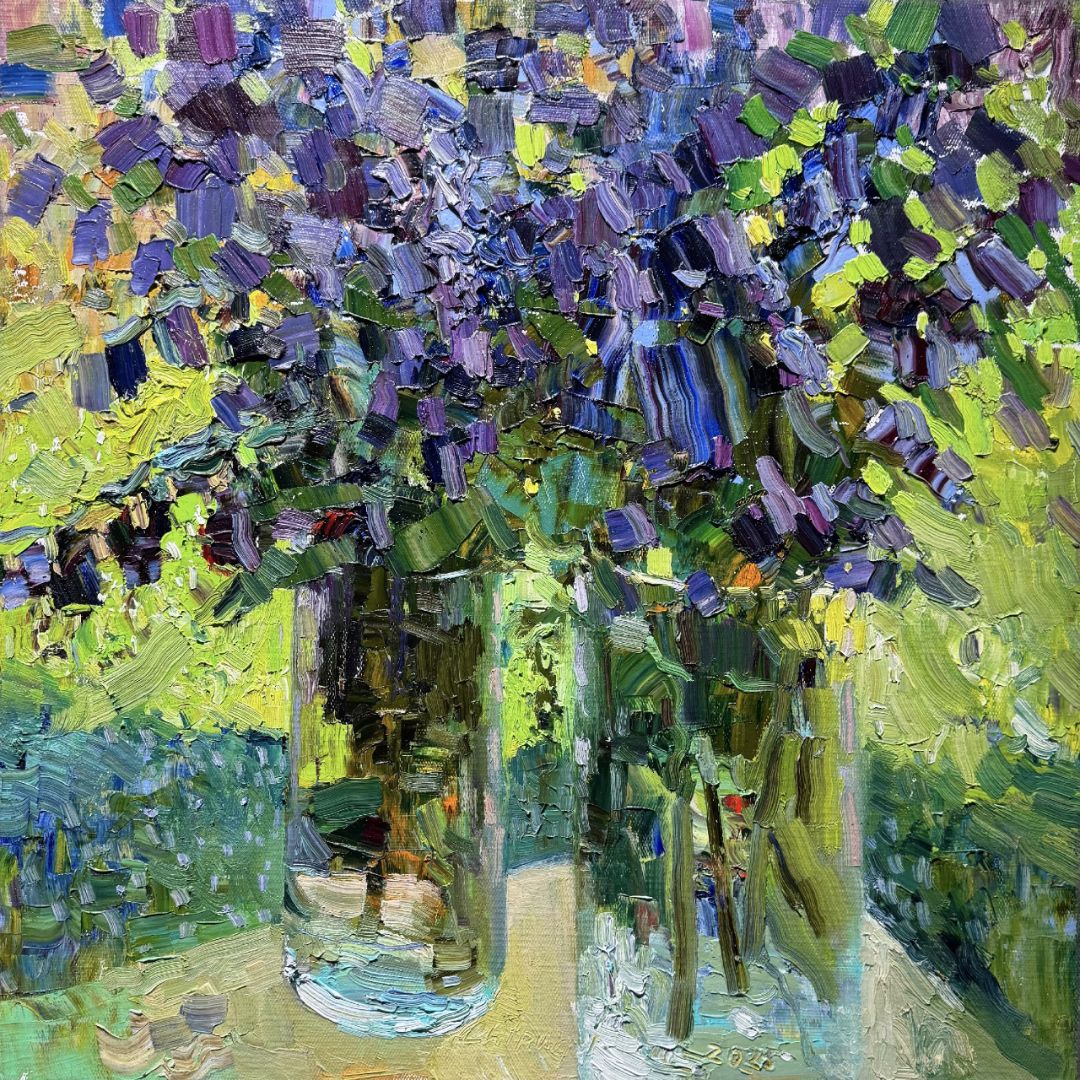
Bluebells, 2025. Oil on canvas, 60 × 60 cm
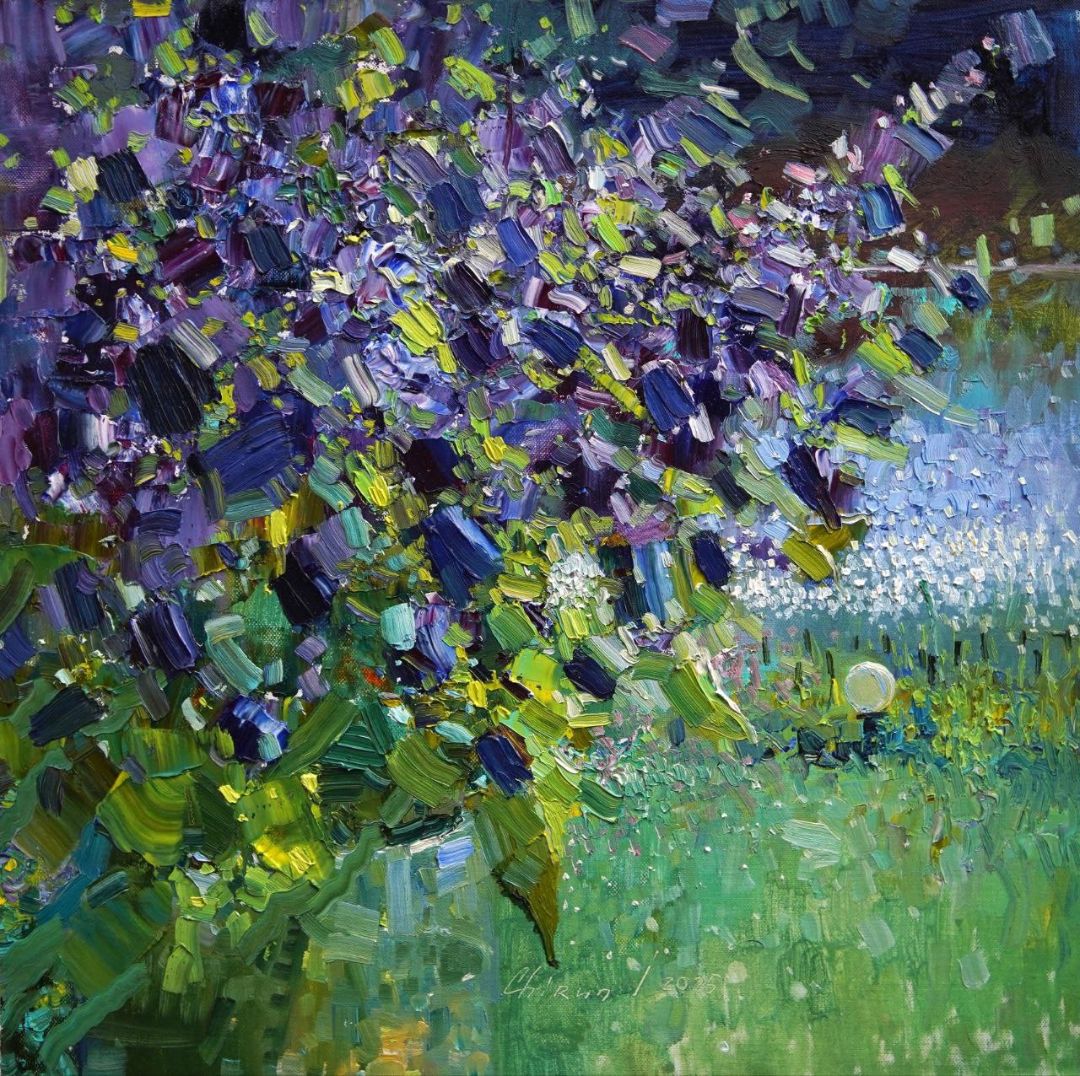
Bluebells. Oil on canvas, 60 × 60 cm
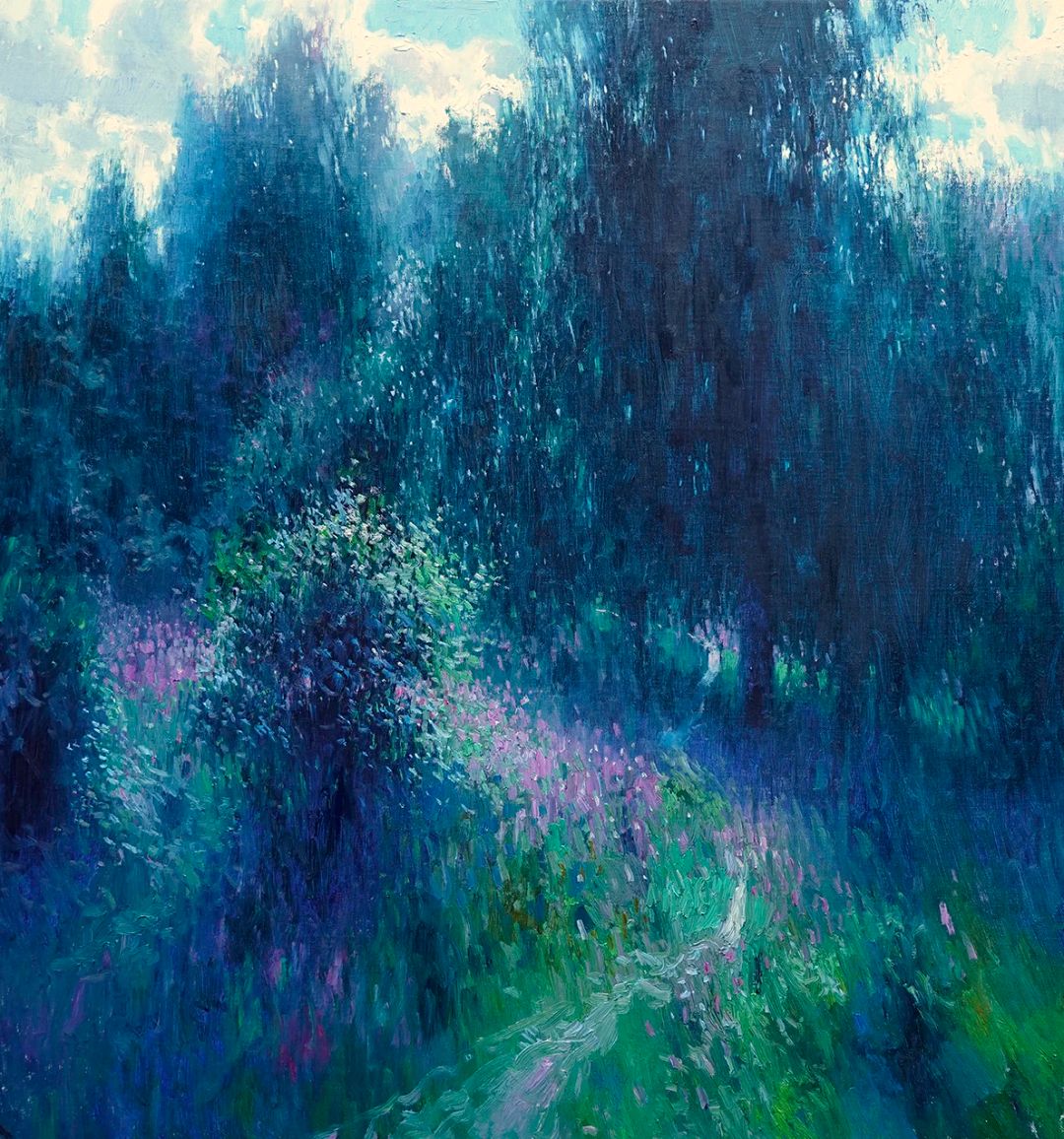
Forest Path, 2024. Oil on canvas, 75 × 80 cm

River in the Mist, 2026. Oil on canvas, 70 × 80 cm
This perception is especially evident in his treatment of light. For Chirun, light is never a decorative device or simply a means of heightening visual effect. It reshapes space, unites forms, determines the character of colour and allows the viewer to sense the very breath of nature. It becomes the invisible force that binds every element of the composition into a harmonious whole.
Time is equally significant. The artist is fascinated by those conditions that exist only briefly: the first rays of morning sunlight, a delicate veil of mist above the water, trees in blossom, the crystalline clarity of spring air or the final glow of evening light. Such moments cannot be preserved literally, yet it is precisely their transience that gives them emotional significance. Painting becomes a means of preserving their essence without disturbing their natural spontaneity.
This attitude towards nature shapes every artistic decision. Colour becomes richer, light more active, compositions increasingly free. Yet these transformations never undermine the credibility of the image. On the contrary, they enable the artist to convey emotional experience with a truthfulness that mere documentary accuracy could never achieve.
Perhaps this explains why Chirun's paintings feel at once deeply personal and immediately accessible. They do not idealise the natural world. Instead, they invite the viewer to pause, look more closely and rediscover beauty within the familiar landscape of everyday life. This ability to remind us of the value of fleeting moments—without resorting to theatrical effects or elaborate symbolism—is one of the defining qualities of his art.
TRANSFORMING NATURE
Nature occupies a central place in Ilya Chirun's work, yet its significance extends far beyond the traditional understanding of landscape painting. It is never merely an object to be depicted or an attractive motif for a future canvas. Every encounter with nature is, above all, an encounter with its changing state: shifting light, moving air, the resonance of colour and the rhythm of space. These impressions become the point of departure for the creative process.
Working en plein air remains one of the most important aspects of Chirun's artistic practice. It is here that the first studies are made, compositional ideas emerge and colour relationships begin to take shape. Yet the plein air study is never regarded as a finished work in itself. Its purpose is to preserve the sensation of what has been seen, to grasp the character of a place and to capture a fleeting state of nature that could never be reconstructed from memory unless it had first been experienced directly.
Back in the studio, the artist continues to work not so much with the landscape itself as with the impressions it has left behind. Observation merges with professional experience, visual memory and an intuitive understanding of nature. This is why his paintings cannot be described as literal representations of the visible world. They originate in reality, yet gradually shed incidental detail, retaining only those elements that best convey the emotional essence of the experience.
This process is particularly evident in his approach to composition. Chirun freely alters the arrangement of trees, the direction of light, the rhythm of space or the scale of individual elements whenever such changes allow him to express the character of nature more convincingly. These transformations never appear arbitrary, for they remain governed by the internal logic of the painting. The composition evolves naturally, preserving its sense of authenticity even when the visible forms have been significantly reinterpreted.
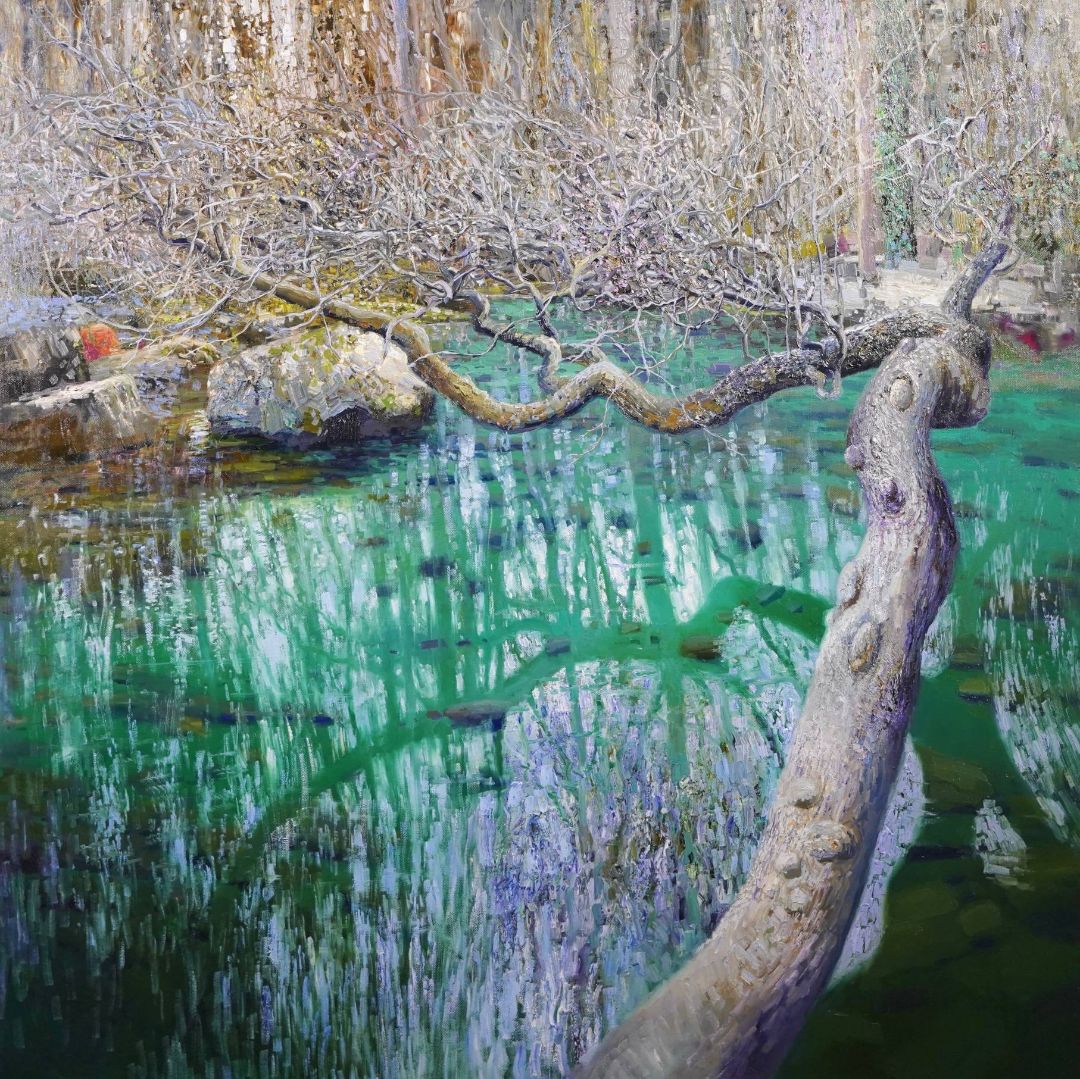
Mysterious Lake, 2024. Oil on canvas, 120 × 120 cm
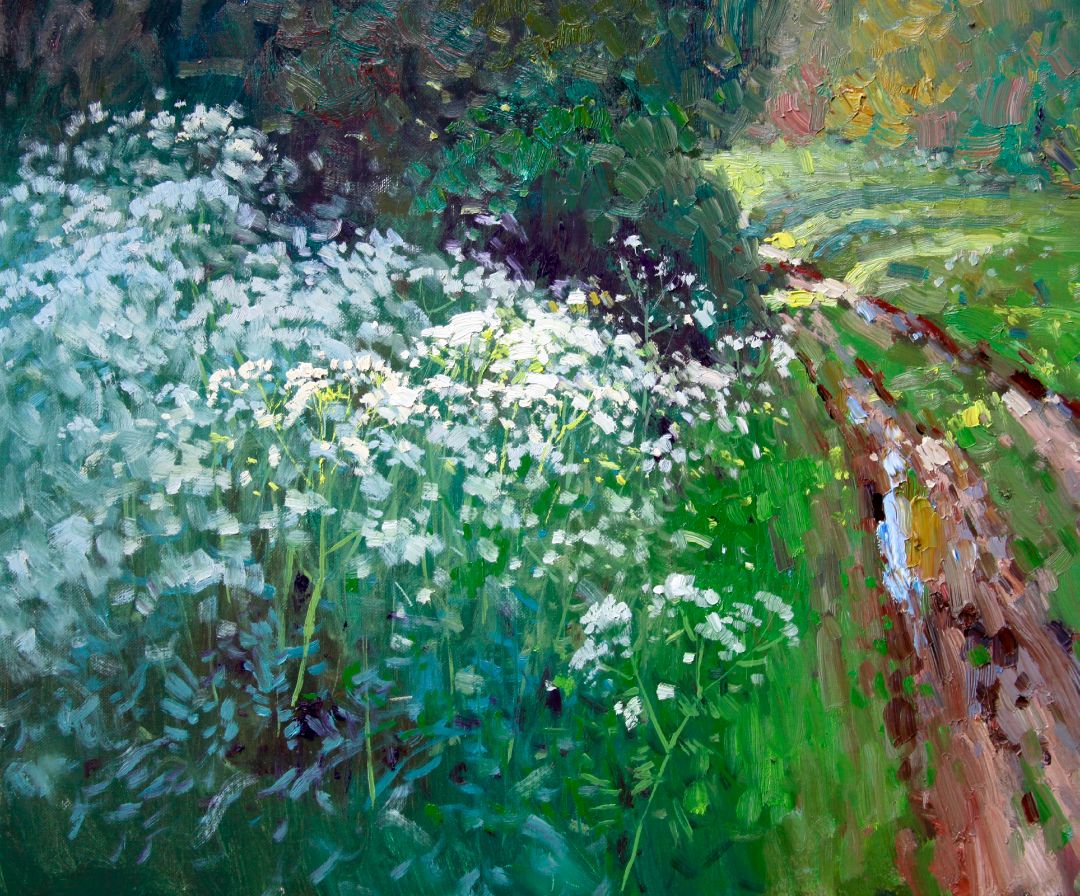
From the Forest, 2018. Oil on canvas, 40 × 50 cm.
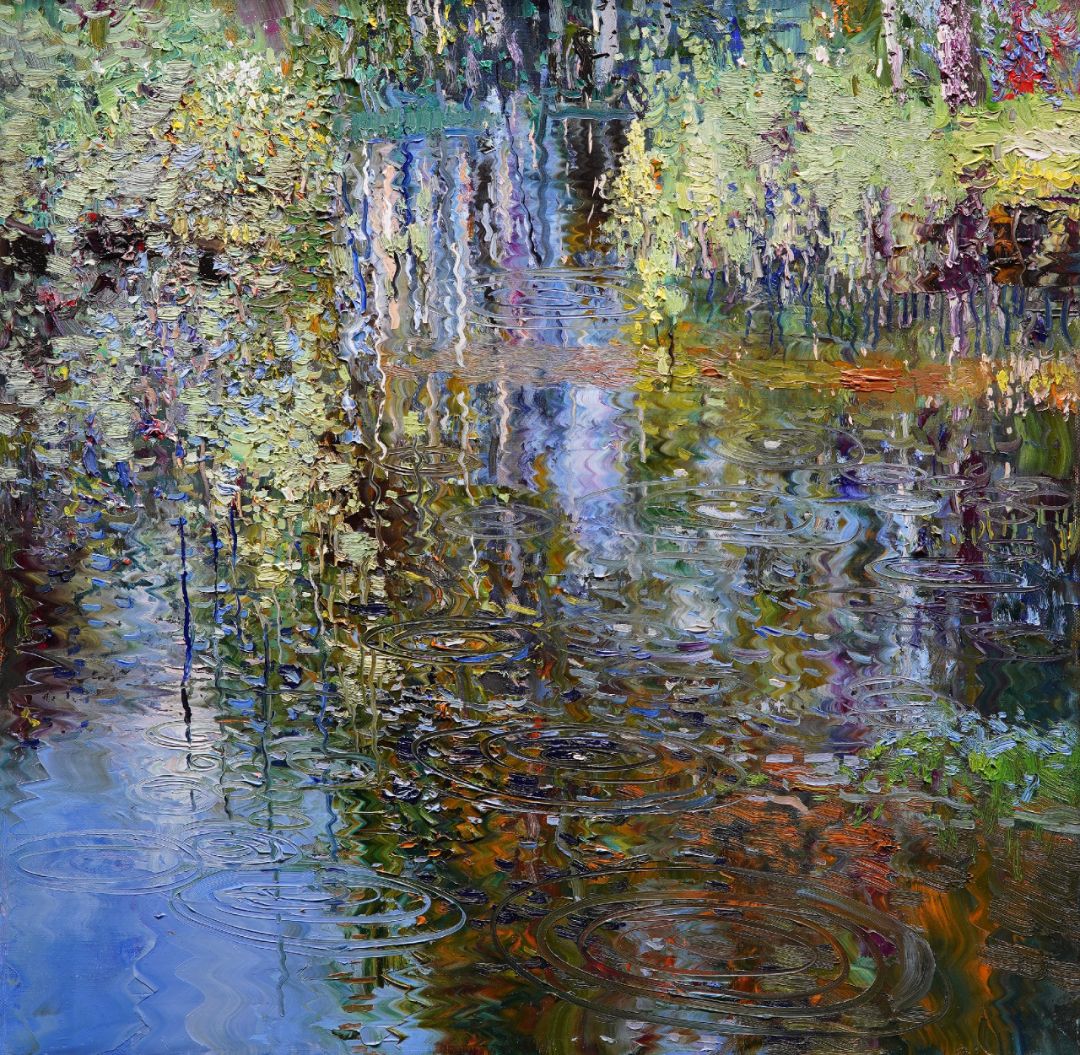
Ripples on the Water, 2026. Oil on canvas, 50 × 50 cm
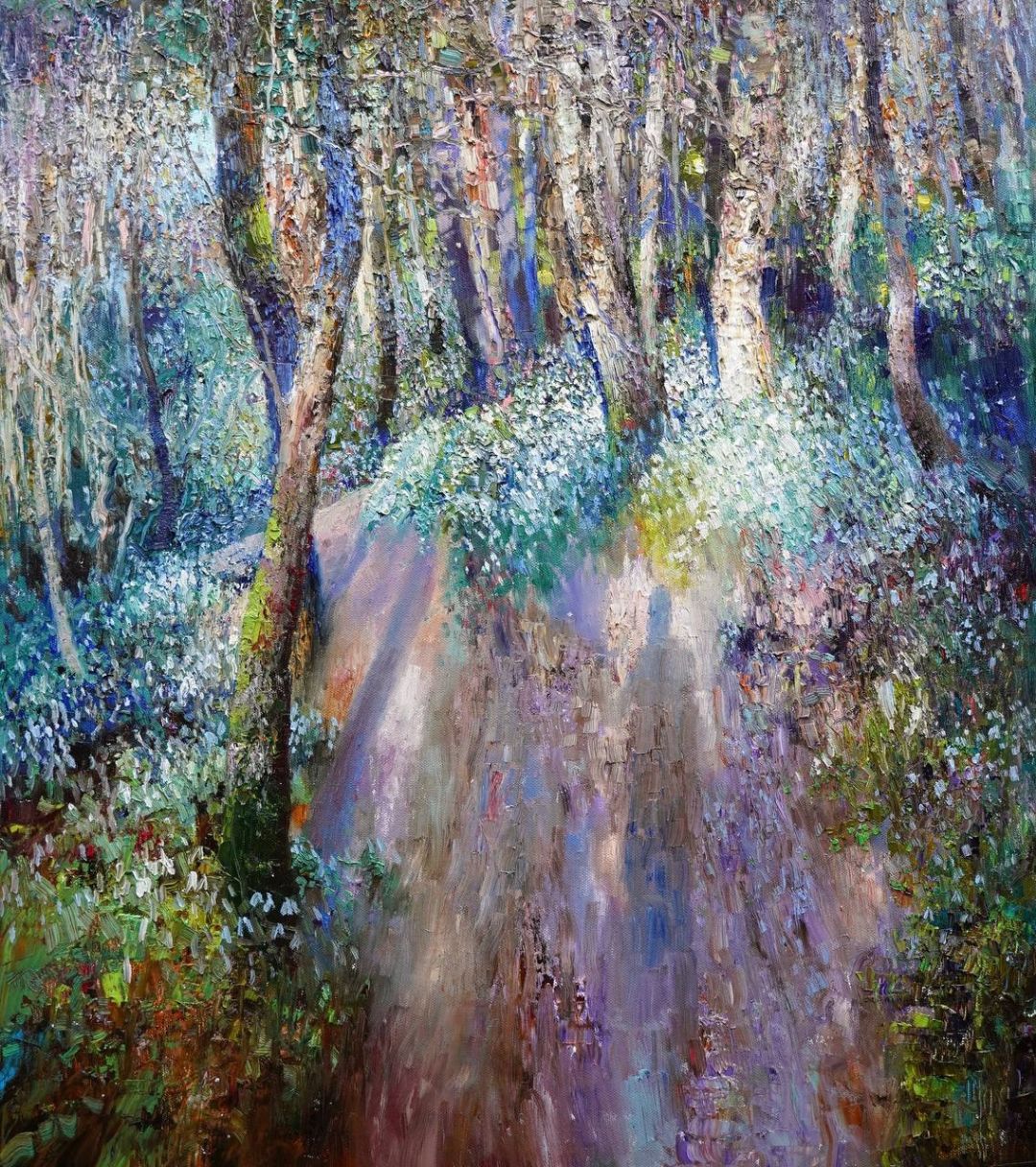
Snowdrop Forest, 2024. Oil on canvas, 80 × 100 cm_1
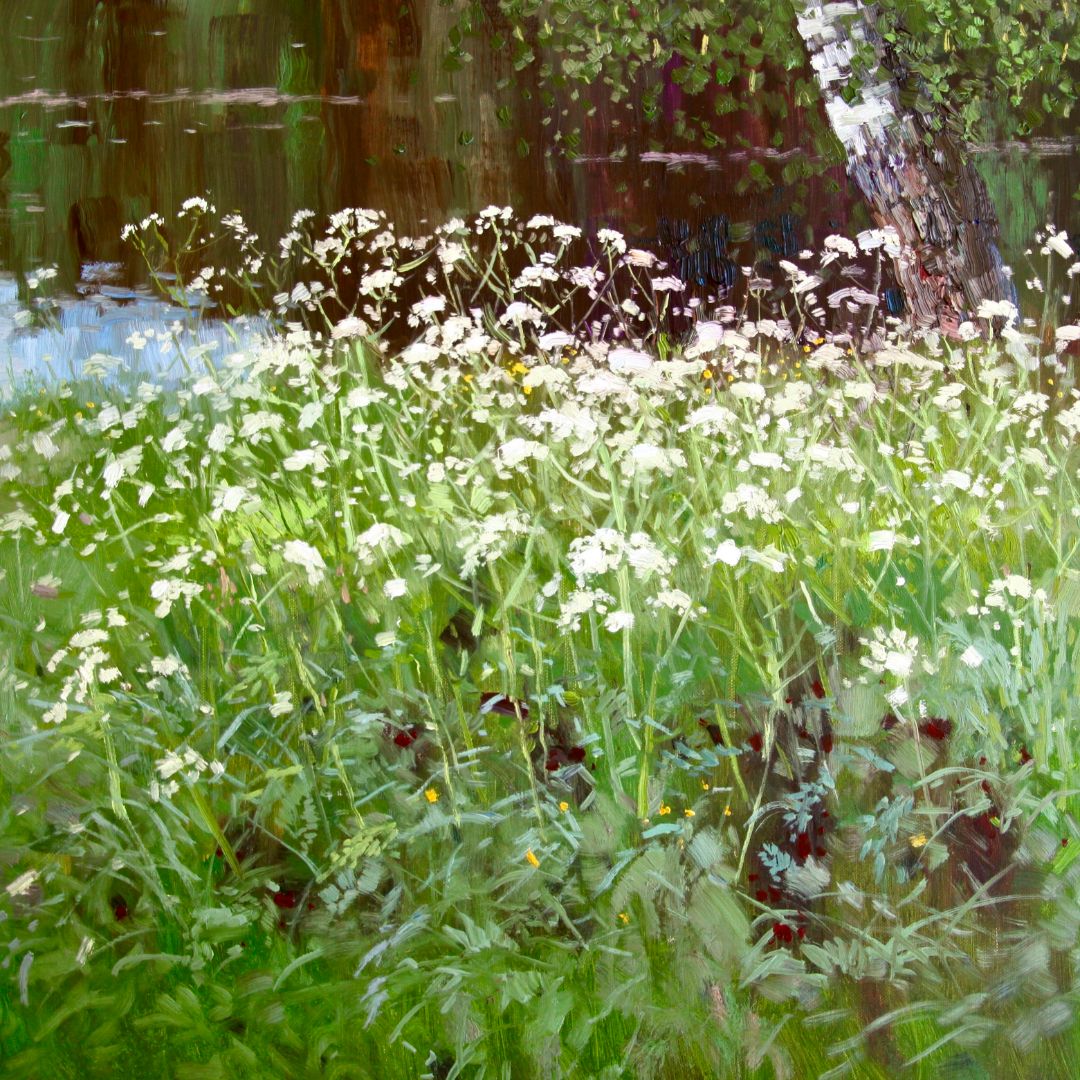
Fragment of Goutweed, 2018. Oil on canvas, 55 × 75 cm.
Such an approach enables the artist to avoid simply repeating successful solutions. The same motif may reappear in different works, yet every painting becomes an independent artistic statement. The seasons change, light shifts, scale varies, compositions evolve, brushwork becomes more energetic or more restrained, and colour relationships are continually reconsidered. What is repeated is not the subject itself, but the artist's enduring fascination with a particular state of nature.
This is why coherent series emerge so naturally throughout his oeuvre. They are united not by a single location or narrative, but by the desire to explore a chosen theme in greater depth. Blossom in spring, winter forests, the seashore, old orchards and river landscapes each provide an opportunity to return to questions of light, colour and space, revealing new expressive possibilities with every painting.
Visual memory assumes particular importance within this creative process. It preserves not only the appearance of a place but also the atmosphere of a moment—the moisture lingering in the air after rain, the crystalline clarity of early morning light, the stillness of silence or, conversely, the movement of wind transforming the entire landscape. These sensations become the true foundation of a painting. Rather than reproducing them literally, Chirun relives them in the act of painting, allowing the image to develop freely and organically.
For this reason, his paintings possess a rare combination of conviction and freedom. Reality remains recognisable, yet it no longer confines the artist. Instead, it becomes the material from which a new artistic image is created, where observation is united with memory, technical mastery and personal emotional experience. It is through this transformation of the visible world that the distinctive quality of Chirun's painting emerges—a quality that makes his work immediately recognisable among that of contemporary landscape painters.
THE LANGUAGE OF IMPRESSION
Impressionism became Ilya Chirun's natural artistic language. Yet his work cannot be reduced to the outward characteristics traditionally associated with the movement—free brushwork, a luminous palette or the depiction of changing light. Far more important is his desire to convey not the outward appearance of nature, but the impression it leaves behind.
For this reason, form in his paintings is never separated from light and colour. Objects remain recognisable, yet they cease to be the principal subject of the image. A blossoming orchard, a riverbank, a woodland clearing or the seashore becomes a setting in which light continually transforms colour relationships, unifies spatial planes, softens contours and creates the sensation of a living environment in constant flux.
His expressive painterly manner rests upon a solid academic foundation. The vitality of the brushwork, the richness of colour and the apparent ease of execution arise not from a pursuit of visual effect, but from a profound understanding of form, composition and pictorial space. It is precisely this academic discipline that allows Chirun to emphasise certain elements, simplify others and consciously reinterpret what he observes without ever compromising the internal coherence of the image.
Gradually, he moved beyond the conventions of classical realism towards a freer, more emotionally charged mode of painting, in which rhythm, movement and the immediacy of direct experience became just as significant as objective representation. Academic tradition did not disappear from his work; rather, it became the foundation upon which his own distinctive artistic language was built.
Space plays an equally important role. Chirun does not feel compelled to follow the conventional rules of aerial perspective whenever they might diminish the expressive power of the painting. Distant planes often retain their chromatic intensity and visual presence, while the composition unfolds not only into depth but across the entire surface of the canvas. As a result, the viewer's eye moves freely through the painting, perceiving it as a unified pictorial whole rather than a sequence of separate spatial layers.

Evening in Streletskaya Bay, 2025. Oil on canvas, 140 × 140 cm
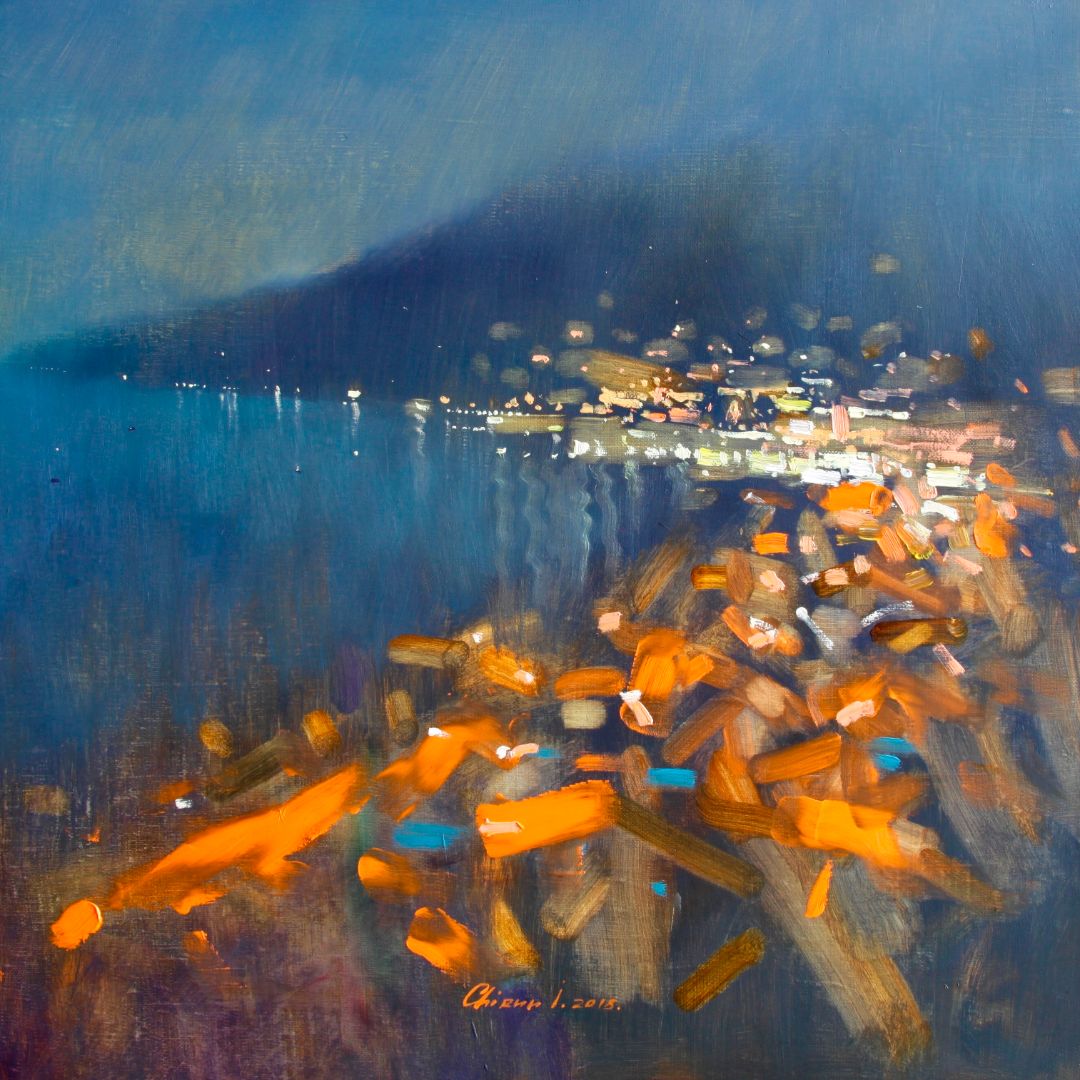
Evening in Yalta, 2018. Oil on canvas, 50 × 50 cm.
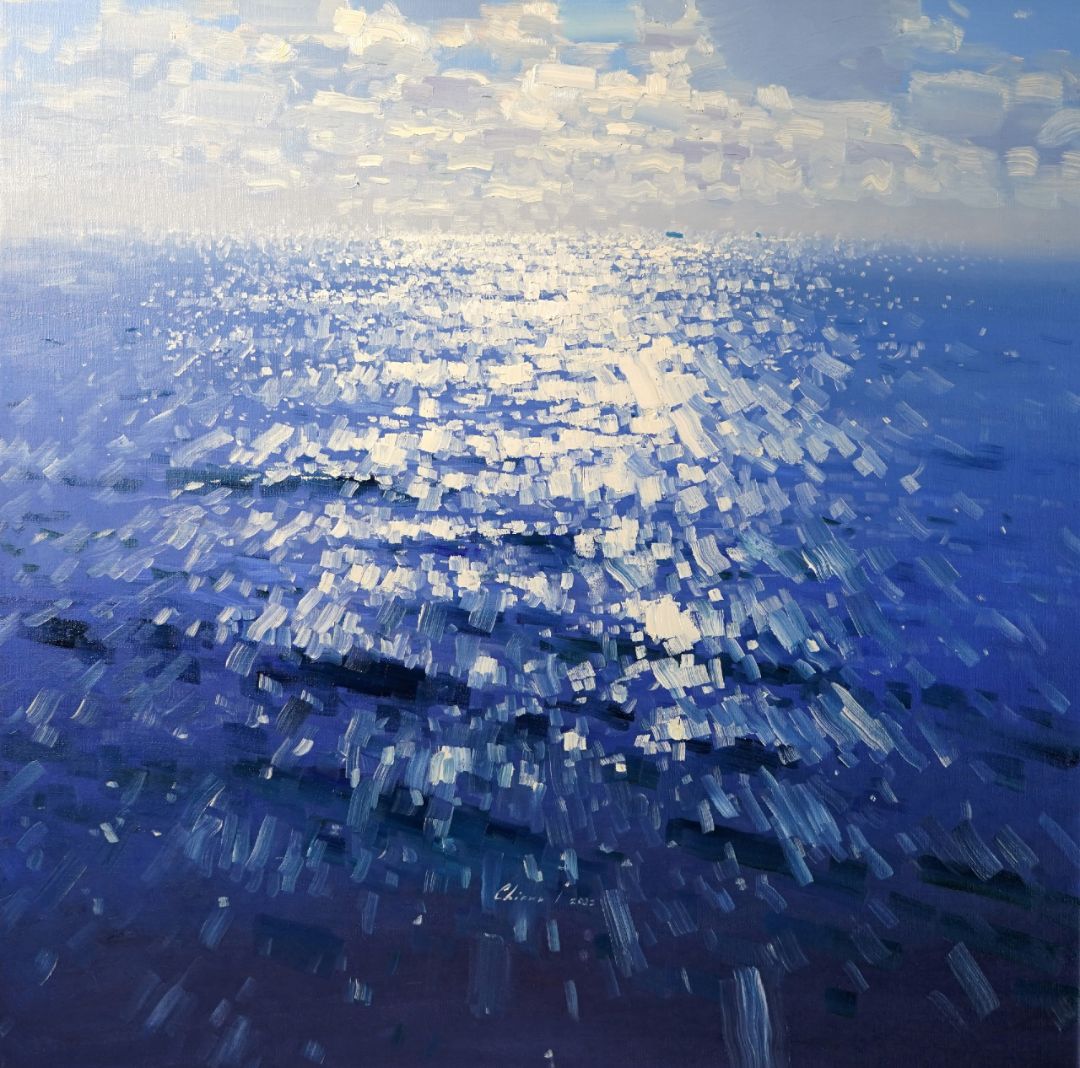
Open Sea, 2022. Oil on canvas, 70 × 70 cm
Rhythm is no less essential. It emerges through the repetition of tree silhouettes, the movement of branches, reflections upon water, the direction of the brushstroke and the interplay of coloured forms. Every element of the composition begins to work in harmony, reinforcing the emotional atmosphere of the work. Even the most tranquil landscapes therefore possess a subtle inner vitality. One senses the movement of air, the changing light, the flow of water or the gentle trembling of leaves.
In Chirun's paintings, light becomes far more than a natural phenomenon. It serves as the principal bearer of mood, unifying space, revealing form, transforming colour and allowing the viewer to perceive the time of day, the weather and the emotional character of the landscape itself. Whether gliding across the surface of water, filtering through foliage or dissolving into the evening air, light creates the impression of a world that is constantly changing—and therefore unmistakably alive.
Colour performs a similar role. Rather than merely describing objects, it conveys the warmth or coolness of the air, the lingering moisture after rain, the crystalline clarity of a spring morning, the heat of midsummer or the quiet stillness of a winter evening. As a result, the viewer experiences the painting not simply as a representation of a particular place, but as an emotional encounter in which colour itself becomes an independent language of expression.
It is the union of light, colour, space and a liberated painterly technique that forms the distinctive visual language by which Ilya Chirun's work is immediately recognised. There is no desire to astonish through spectacular effects or elaborate compositional devices. The expressive power of his paintings arises instead from the harmonious synthesis of technical mastery, attentive observation of nature and the ability to preserve the fleeting impression from which each work first emerged.
REMAINING TRUE TO HIS PATH
Ilya Chirun's artistic journey demonstrates that genuine mastery is born not only of talent but also of consistency. For many years he has remained faithful to the artistic principles that took shape during his academic training: careful observation of nature, regular work from life, respect for the academic tradition and a determination to convey not merely the outward appearance of the world, but his own emotional response to it.
This fidelity does not manifest itself in the repetition of familiar solutions. Rather, it reveals itself through constant growth. Each new painting becomes a continuation of the last, preserving the central artistic vision while opening fresh possibilities for its expression. Scale changes, compositions become more complex, colour relationships evolve, yet one essential aspiration remains unchanged—the desire to preserve the living sensation of an encounter with nature.
The professional life of an artist is shaped by countless elements: daily work in the studio, painting en plein air, preparing exhibitions, searching for new motifs, engaging with viewers and continually refining technical skill. Behind every finished painting lie hours of observation, numerous studies and an extended process of inner reflection. Much of this labour remains invisible to the viewer, yet it is precisely this unseen process that gives Chirun's paintings their artistic conviction.
Exhibitions occupy an important place in his creative biography. Over many years, his work has been presented in both solo and group exhibitions, allowing audiences to follow the evolution of his artistic language, discover new series and appreciate the breadth of his creative interests. Each exhibition represents more than an opportunity to present new paintings; it forms another chapter in the ongoing dialogue between the artist and his audience.
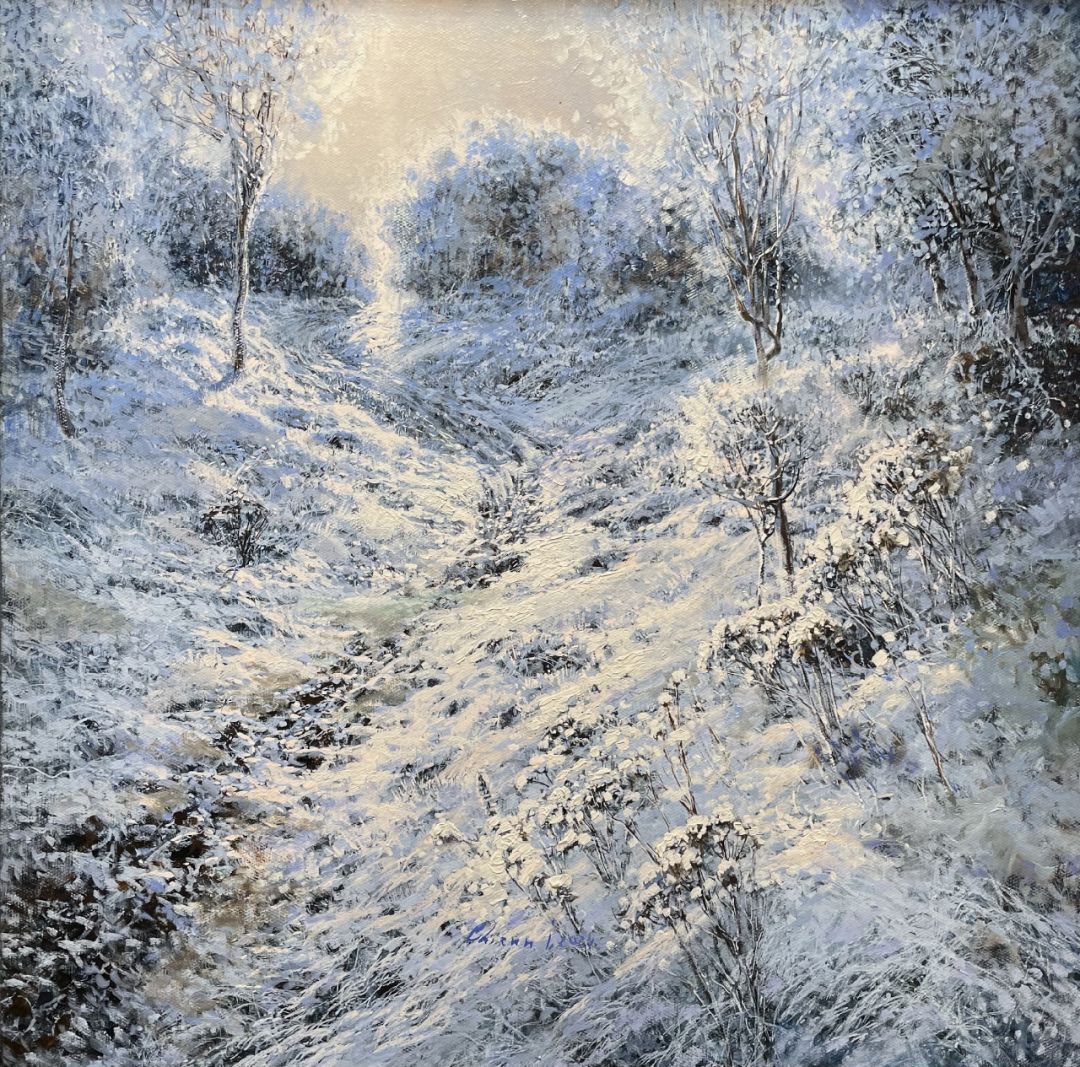
A Simple Miracle, 2024. Oil on canvas, 60 × 60 cm

Autumn Bullfinches, 2018. Oil on canvas, 120 × 150 cm.

Dawn, 2024. Oil on canvas, 50 × 50 cm
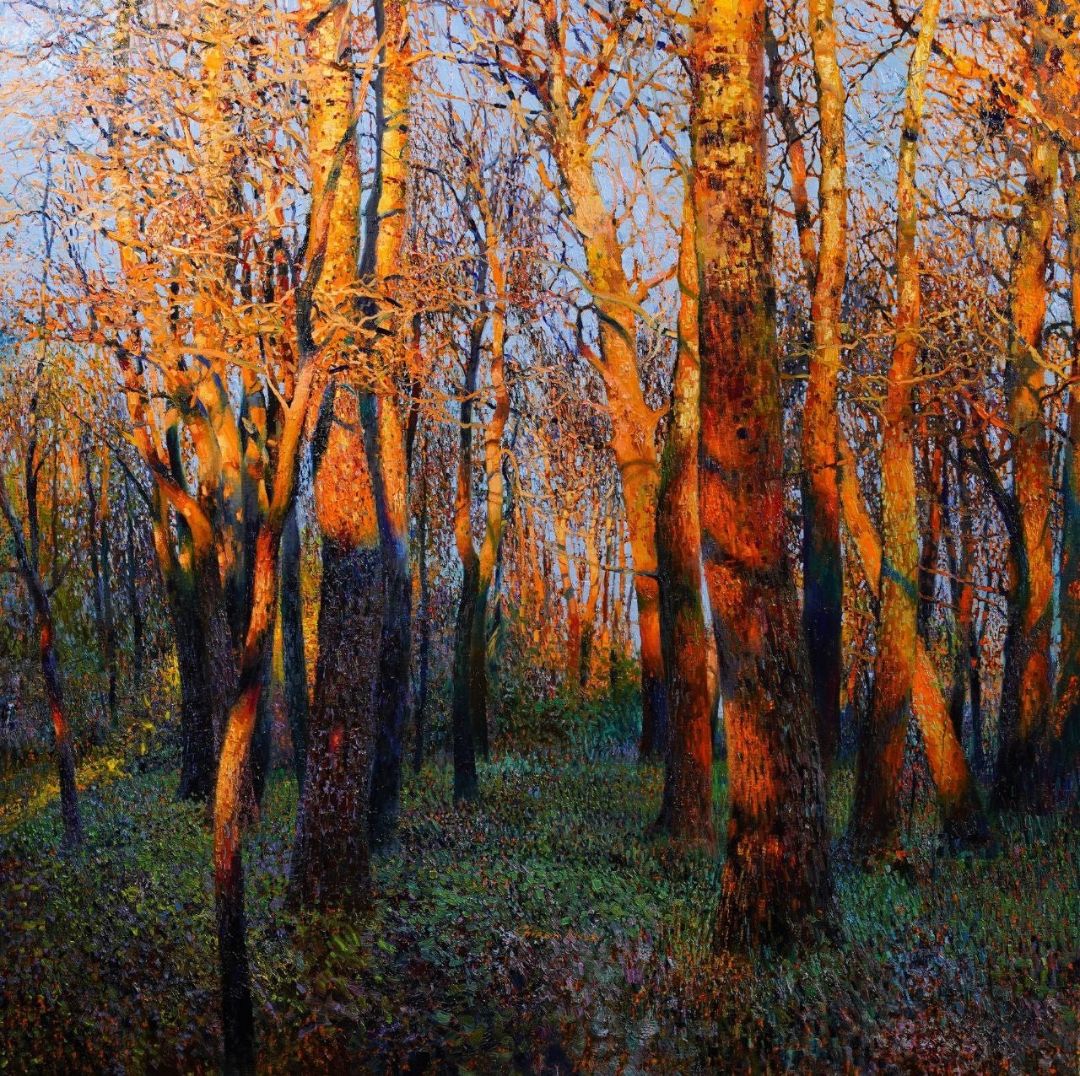
Evening, 2025. Oil on canvas, 120 × 120 cm
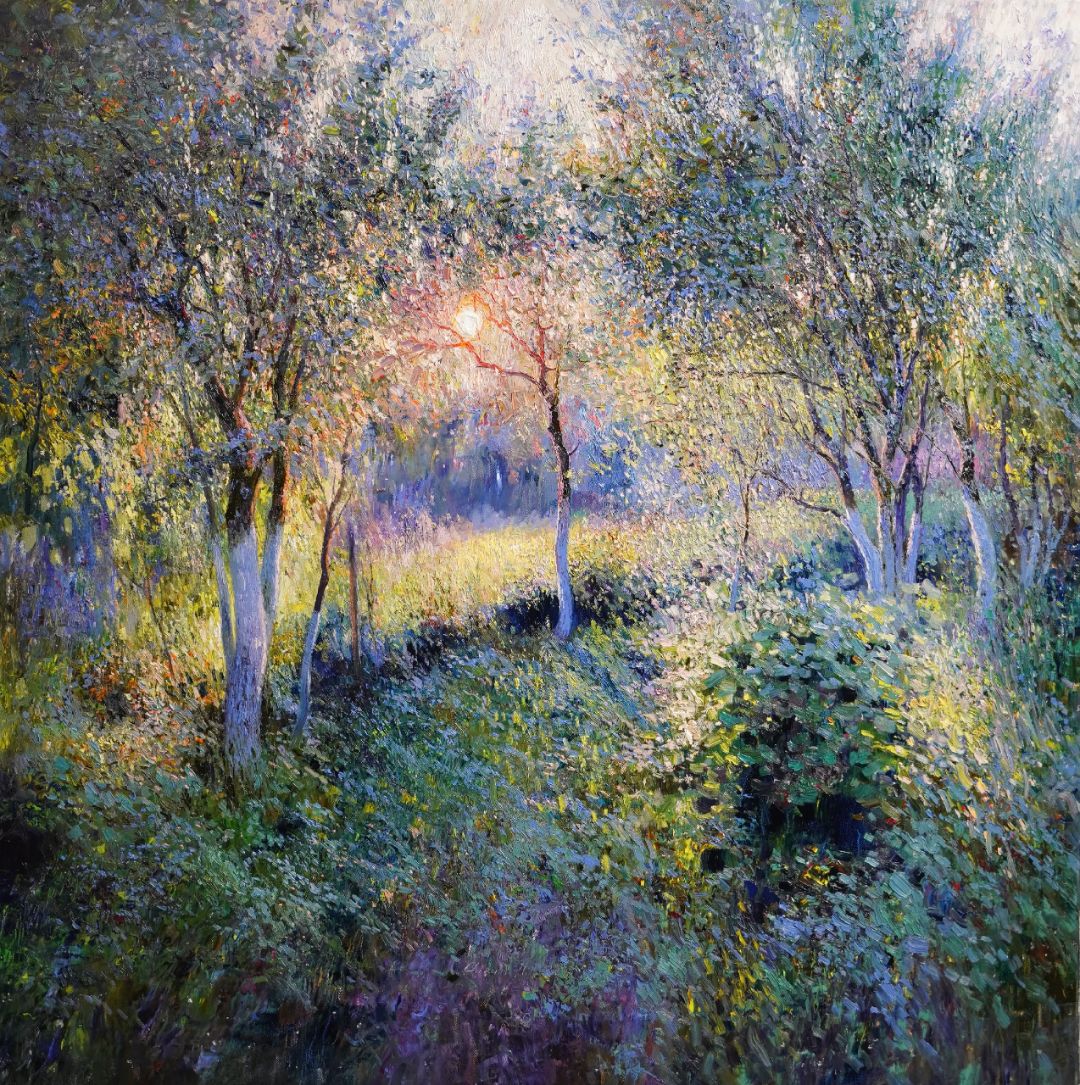
Warm Evening, 2024. Oil on canvas, 140 × 140 cm
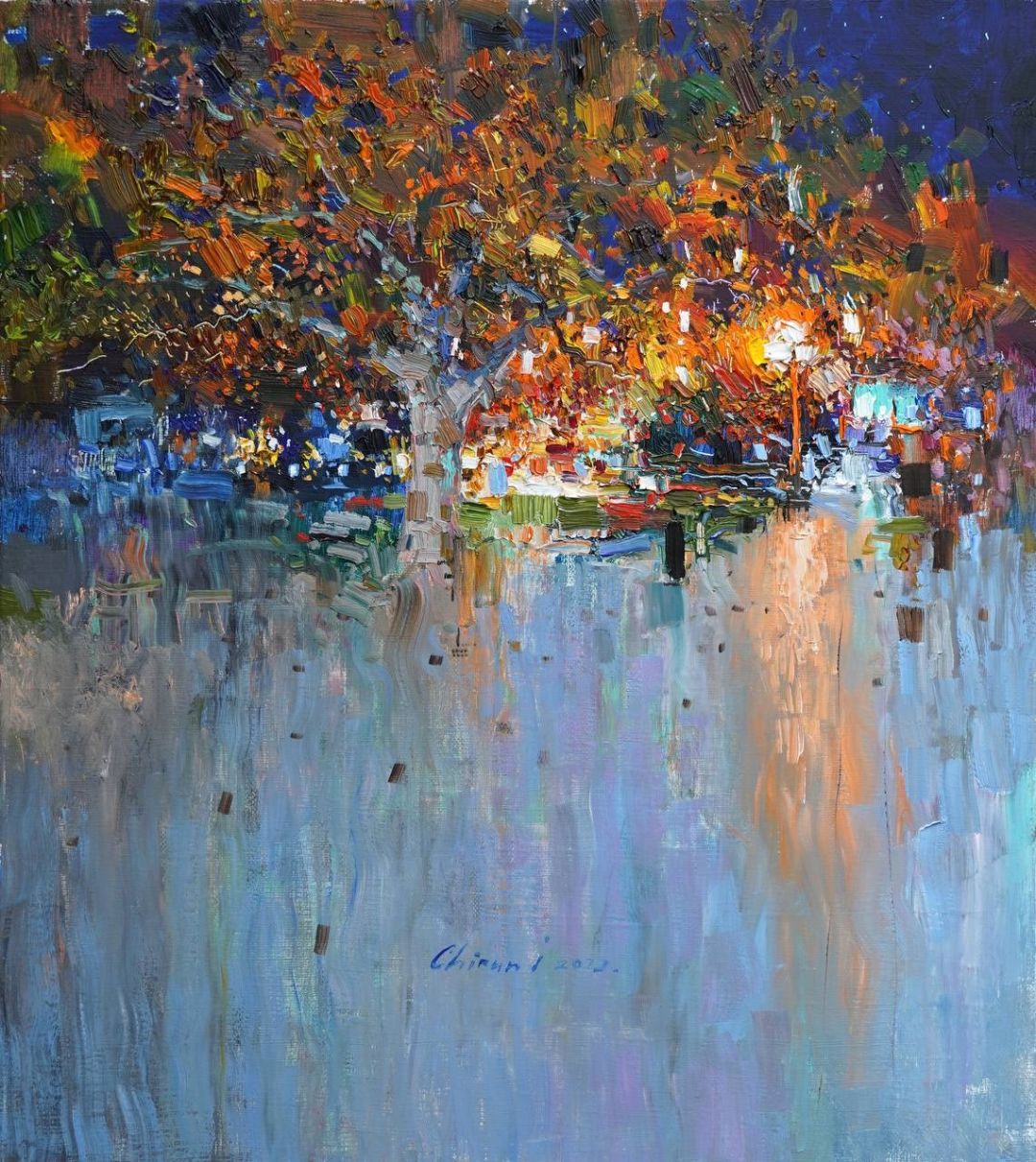
Sounds of the Evening City, 2022. Oil on canvas, 45 × 50 cm
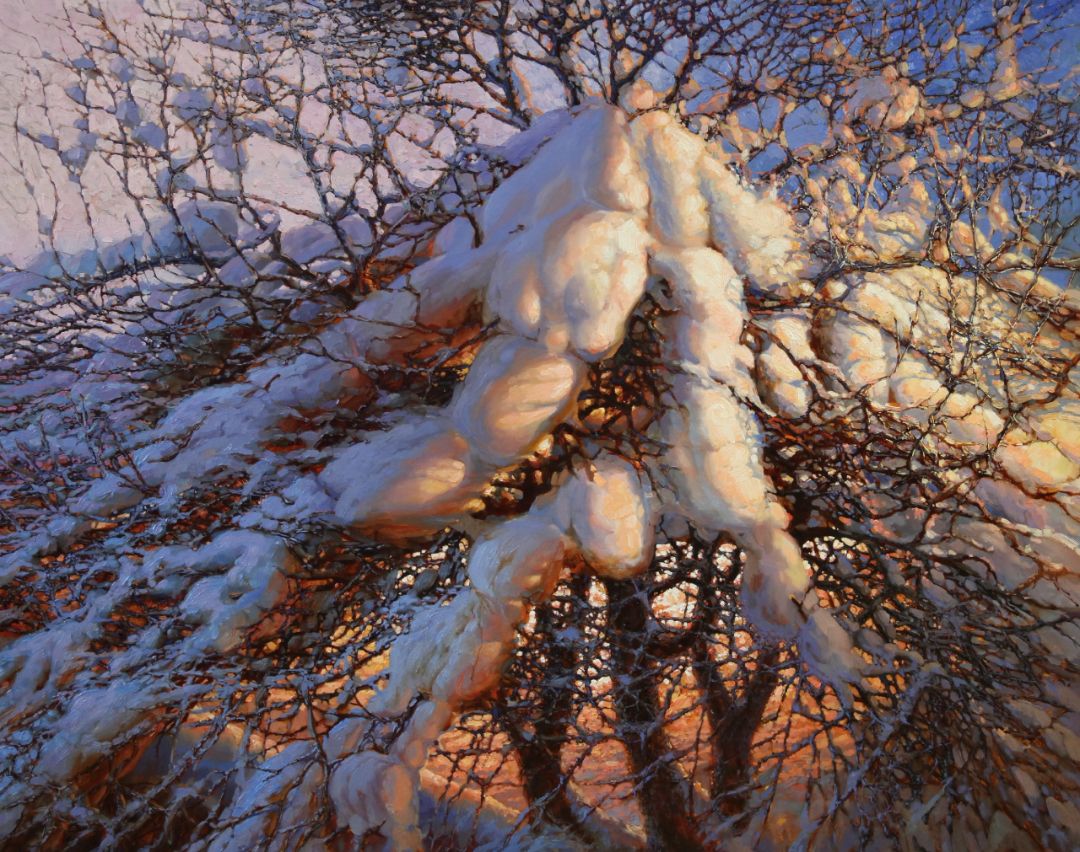
Snowy Landscape, 2015. Oil on canvas, 120 × 160 cm
Today, Chirun's paintings can be found in private collections throughout Russia, the United Kingdom, Germany, Belgium, the United States, China, the United Arab Emirates and many other countries. This international presence reflects the universal character of his visual language. Light, colour and the emotional experience of nature require no translation. They speak directly to feelings shared across cultures and national boundaries.
Yet recognition has never become an end in itself. Every completed painting is regarded simply as another step in an uninterrupted creative journey. For this reason, Chirun continues to spend long periods painting outdoors, returning repeatedly to familiar locations, searching for new motifs and constantly discovering how differently nature can reveal itself through changes of light, season and atmosphere.
For him, remaining true to one's artistic path does not mean remaining bound to a single manner of painting. Rather, it means preserving the ability to respond to the natural world with genuine wonder. It is this enduring sense of curiosity that allows him to discover new subjects where everything might appear already to have been seen, explored and painted.
PRESERVING THE LIGHT
Every artist leaves behind a distinctive vision of the world. Some are drawn to the exploration of form, others to colour, while still others turn to historical narratives or the inner life of humanity. Ilya Chirun's world is built upon something different. At its heart lie light, air, the movement of nature and that unique state of harmony which arises during fleeting moments of perfect unity with the natural world.
Such moments cannot be held. Spring blossom lasts only a matter of days. Morning mist disappears with the first rays of sunlight. Reflections upon water change with the slightest breath of wind. Even the same landscape is never seen twice in exactly the same way. It is precisely this perpetual transformation that makes nature an inexhaustible source of inspiration for the artist.
Painting allows these transient experiences to endure. Yet the purpose is not to arrest time itself. Far more important is the preservation of the feeling born from an encounter with nature—that inner emotional state which remains in the memory long after the visible details of a landscape have faded.
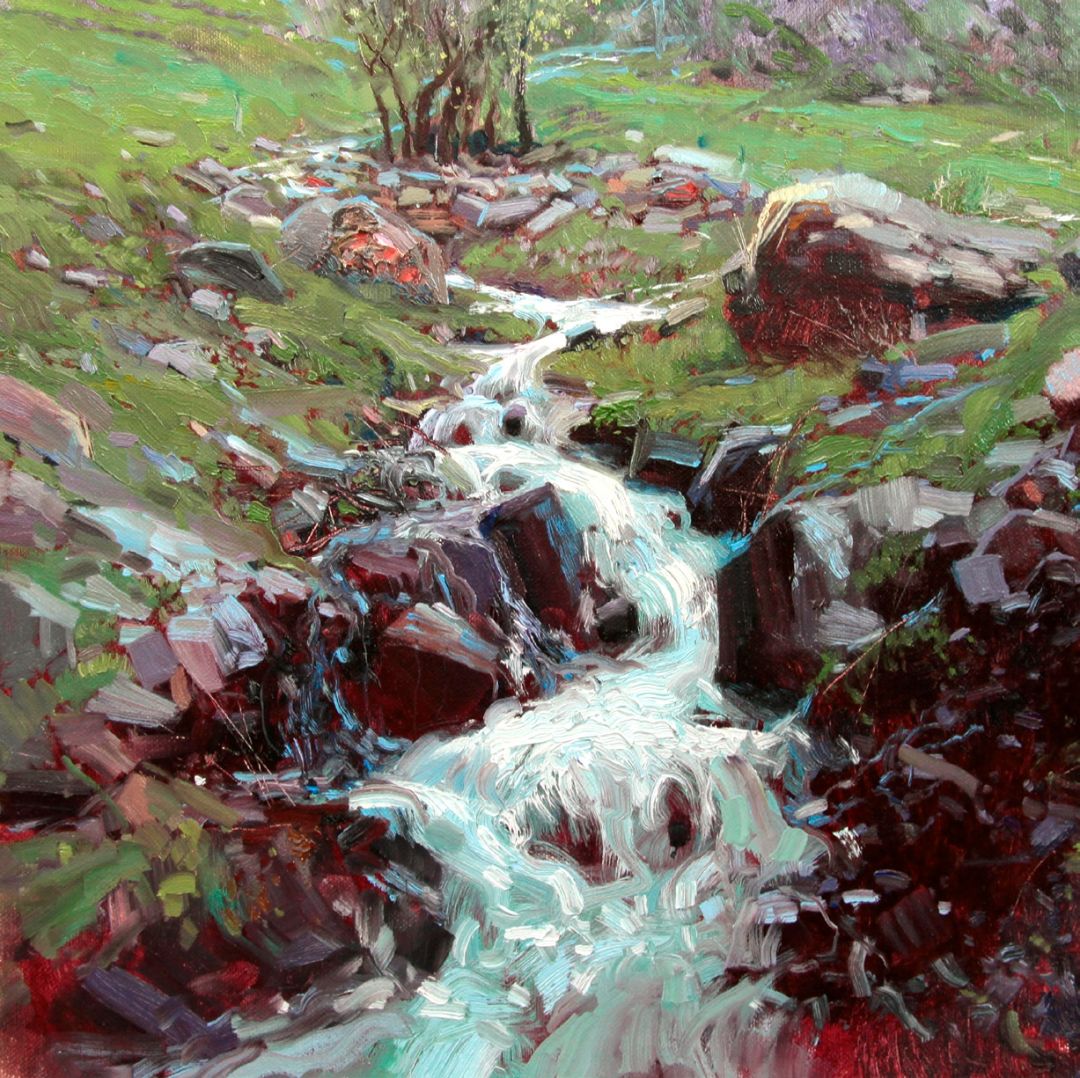
Mountain Stream, 2017. Oil on canvas, 30 × 30 cm.
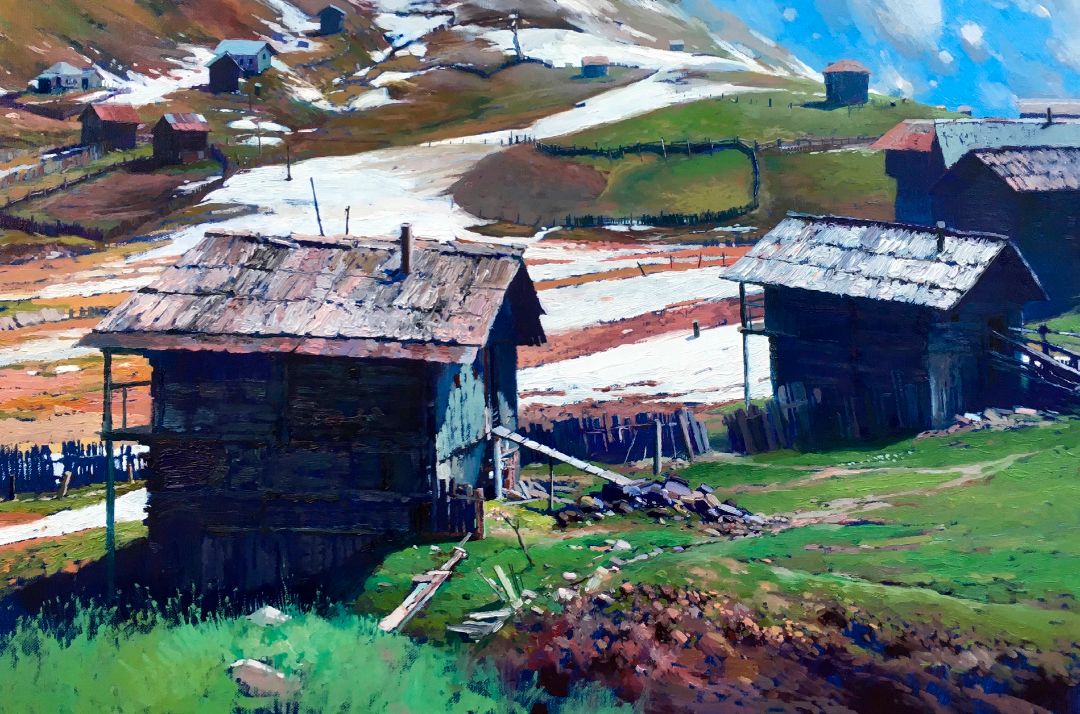
Mountain Village, 2018. Oil on canvas, 35 × 55 cm.
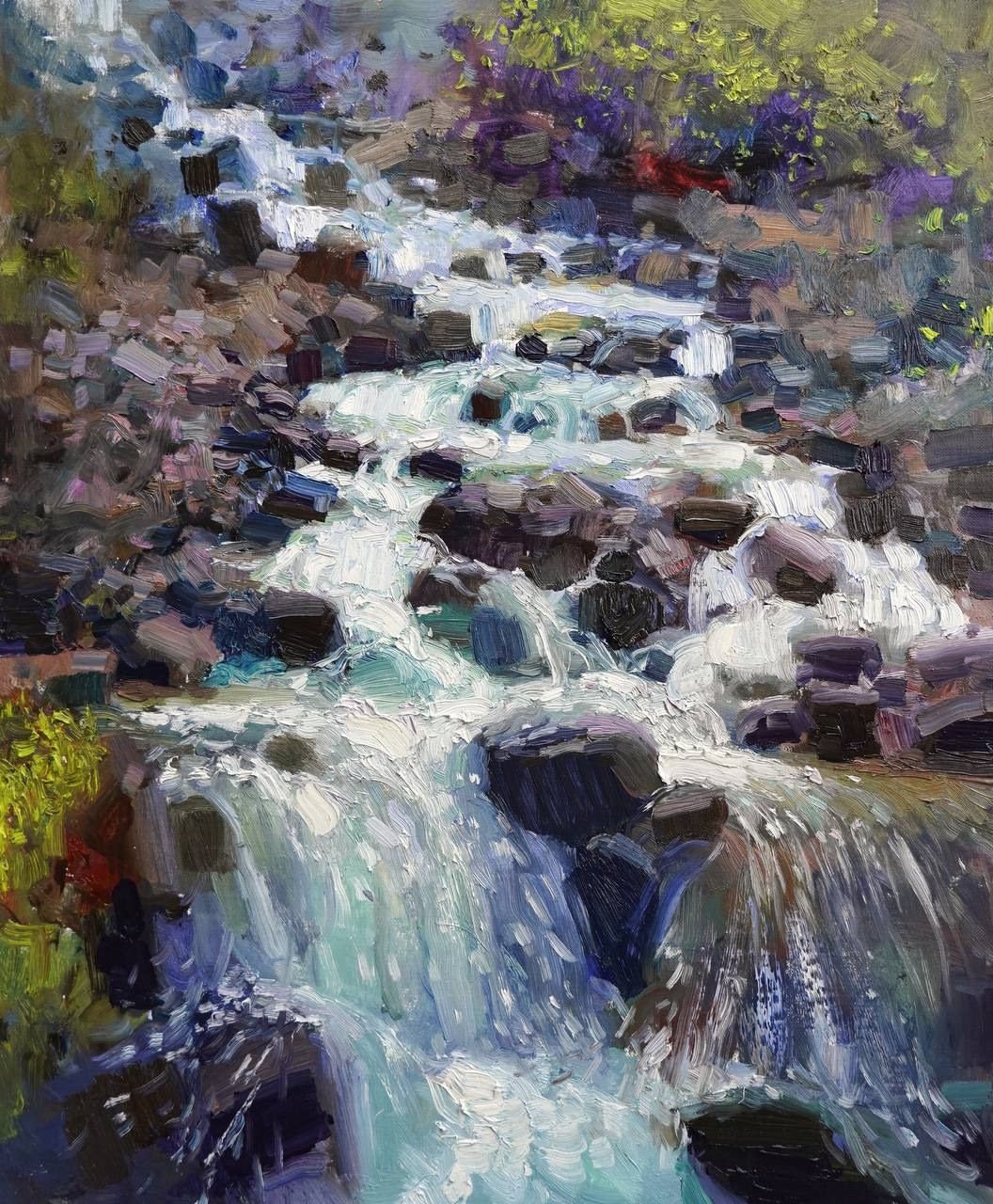
Cheget. Kogutay Waterfall, 2024. Oil on canvas, 50 × 60 cm
Perhaps this explains the remarkable sense of unity that characterises Chirun's work. His paintings are connected neither by recurring subjects nor by a single colour palette. Each canvas continues one ongoing conversation about the beauty of the natural world, about living attentively, and about the human capacity to rediscover what is familiar as though seeing it for the very first time.
Herein lies the distinctive quality of his art. It demands neither specialist knowledge nor the deciphering of hidden symbols or complex allegories. Instead, the artist speaks through the language of light, colour and painterly form, inviting every viewer to experience a personal encounter with the world he depicts. For this reason, his paintings are perceived not as narratives about a particular place or moment in time, but as invitations to pause, to look more carefully, and to notice what everyday haste so often conceals.
Great art rarely offers definitive answers. Rather, it teaches us to see, to feel and to rediscover the world anew. This is precisely the role fulfilled by Ilya Chirun's painting. Without seeking to alter reality itself, it transforms the way we perceive it. Perhaps this is its greatest achievement: to remind us that light exists not only in nature, but also within human perception itself.
A WORLD OPEN TO BEAUTY
Ilya Chirun's work brings together two qualities that rarely exist in such perfect balance: rigorous artistic discipline and a sincere, almost childlike delight in the world around him. Painting is never, for him, a means of escaping reality. On the contrary, it sharpens his awareness of it, encouraging him to notice those quiet moments that so easily disappear amid the pace of everyday life.
Perhaps this is why his paintings are almost entirely free from dramatic conflict or theatrical tension. He is drawn not to extraordinary events, but to the quiet beauty of ordinary life: an orchard in bloom, a still river inlet, sunlight filtering through leaves or the season's first snowfall transforming a familiar landscape. Such moments require no explanation. They simply need to be recognised, experienced and preserved.
This way of seeing grows from continual observation. Chirun watches closely as nature changes, noticing how the colour of the air shifts throughout the day, how light is reflected upon water, or how the same place is transformed by spring, summer or winter. Gradually, these observations become a kind of visual diary, existing not only in the artist's memory but also within his paintings.
Yet painting is never an end in itself. It remains a quiet, sincere conversation with the viewer. His works neither instruct nor impose a particular way of looking at the world. Instead, they invite us to pause beside him, to contemplate an ordinary landscape together and to discover within it those qualities that so often escape our attention.
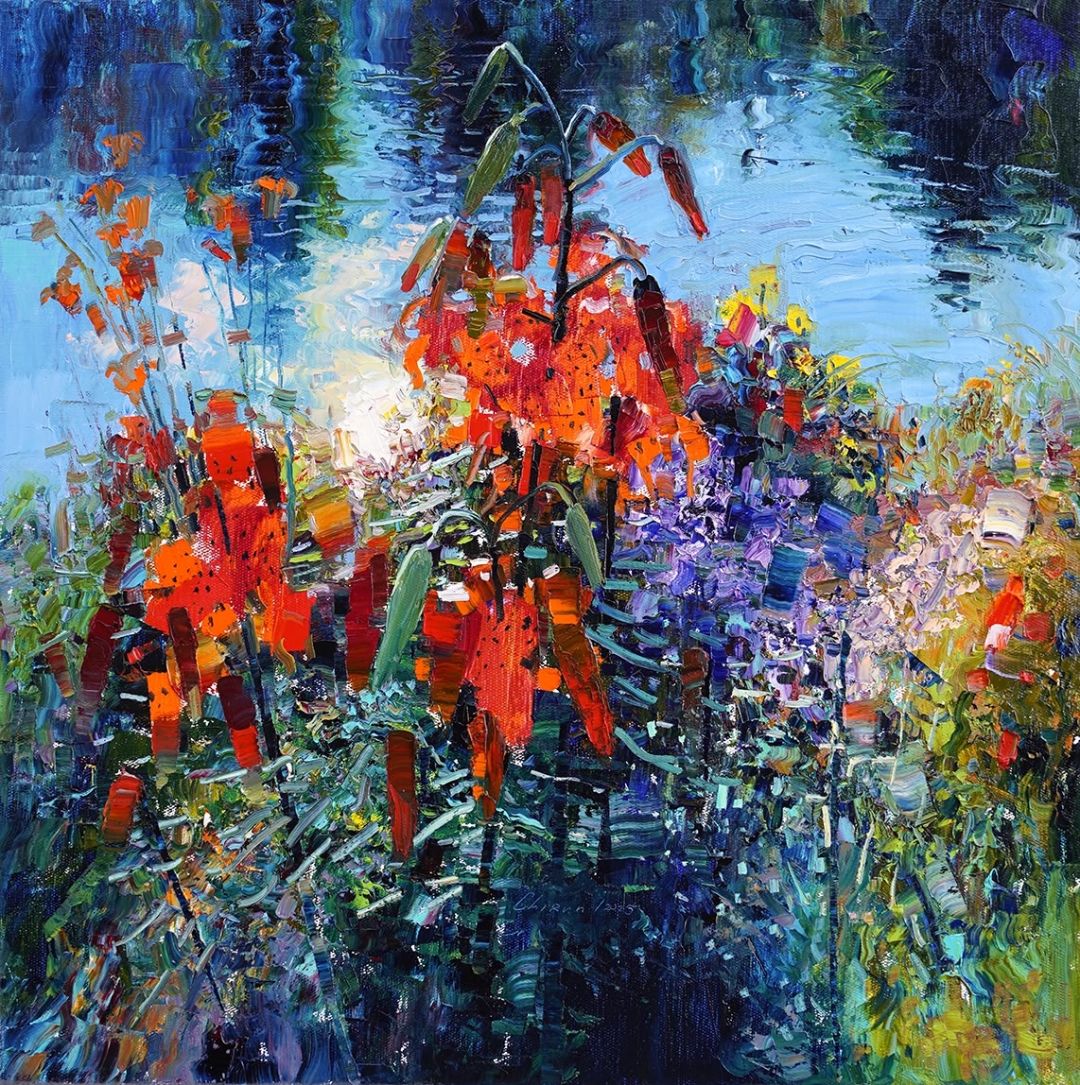
Tiger Lily, 2025. Oil on canvas, 65 × 65 cm
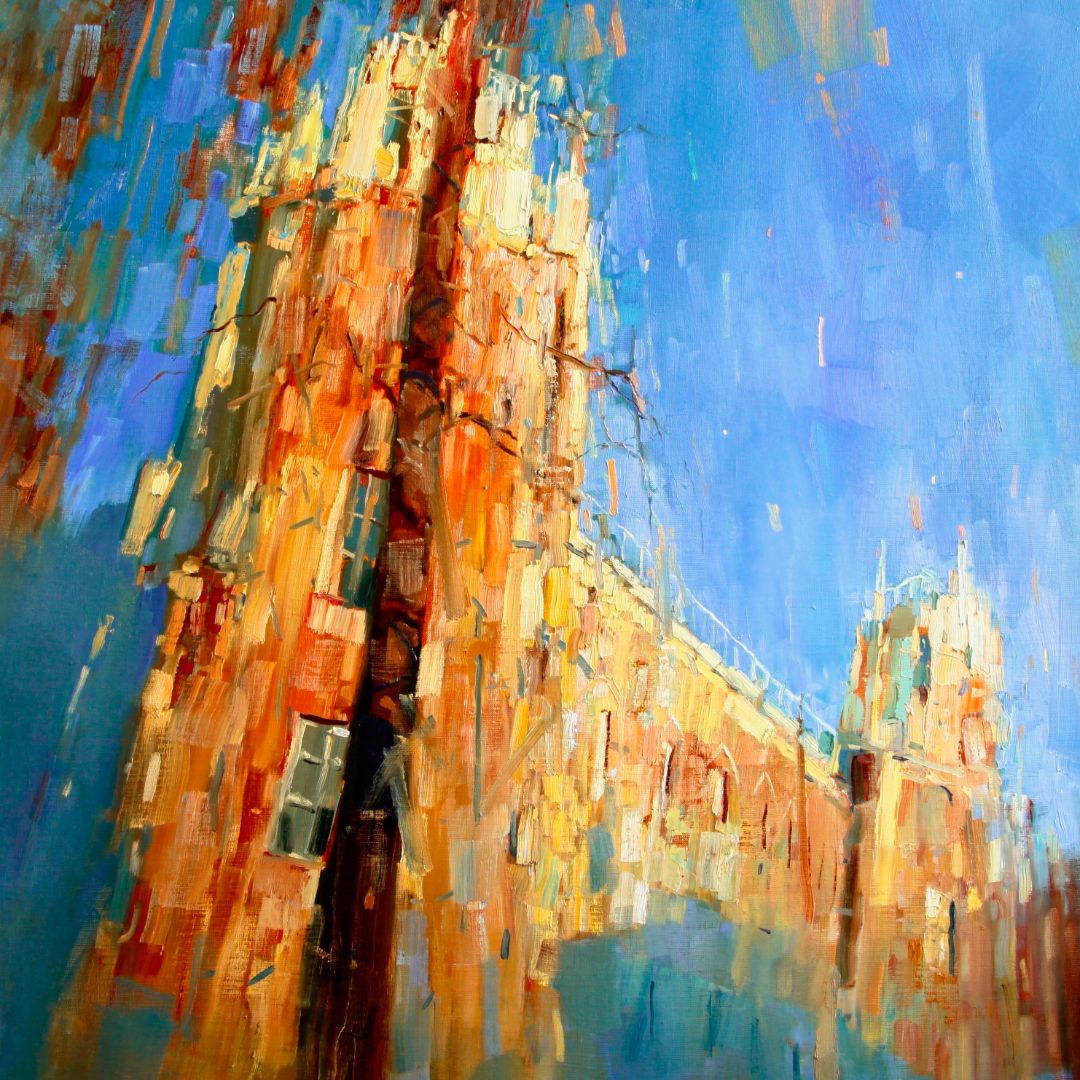
Tsaritsyno, 2018. Oil on canvas, 100х100 cm
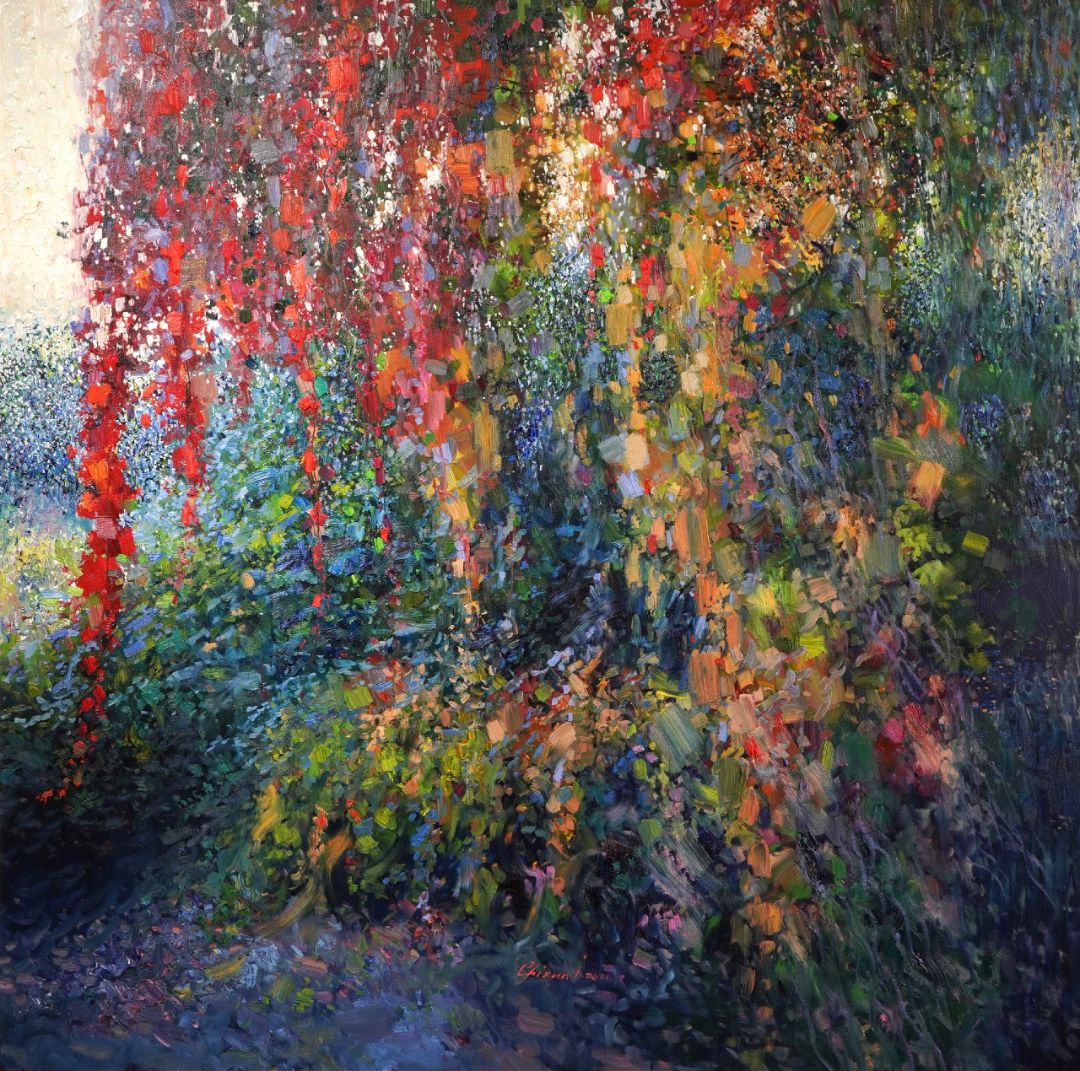
Virginia Creeper, 2021. Oil on canvas, 120 × 120 cm


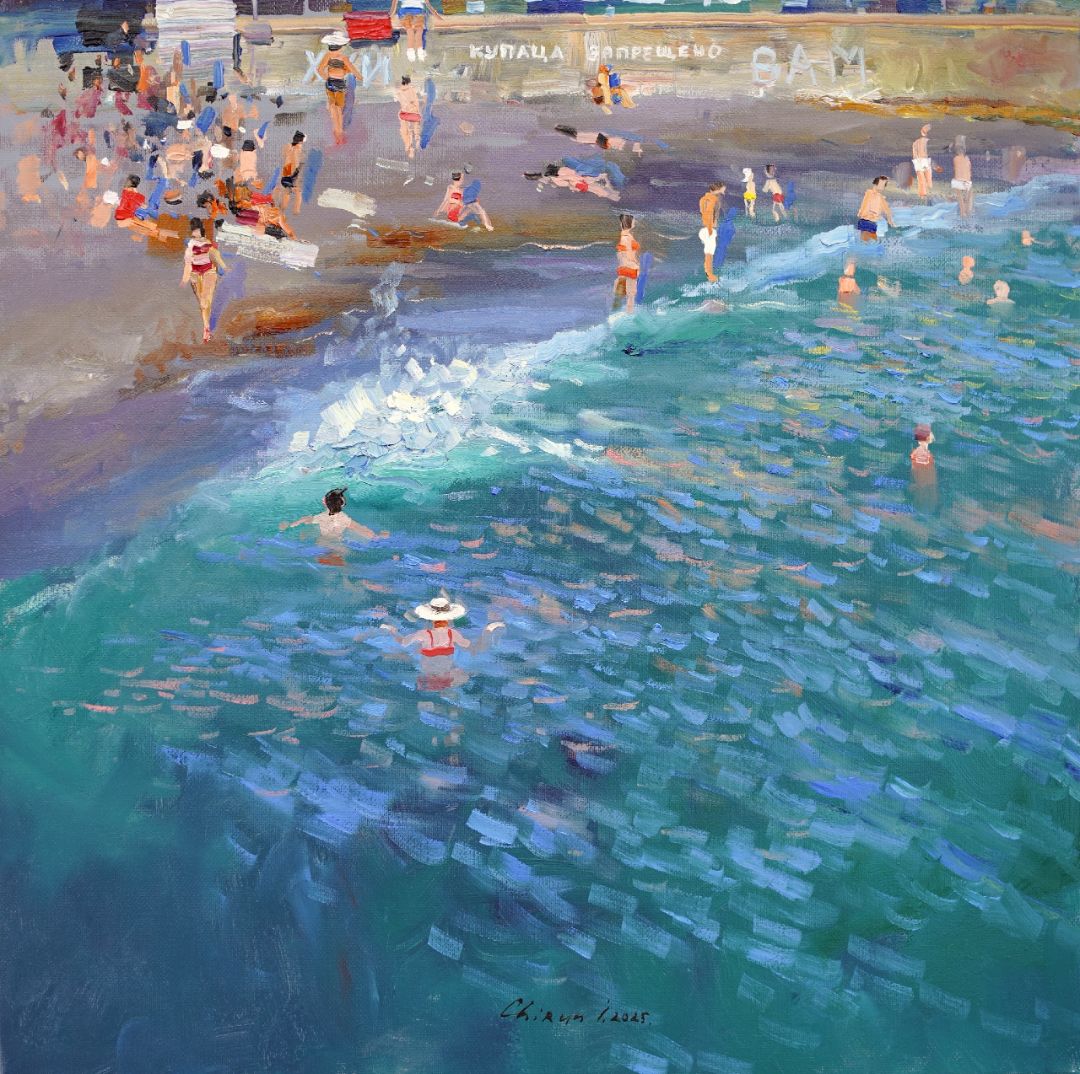
No Swimming, 2025. Oil on canvas, 50 × 50 cm
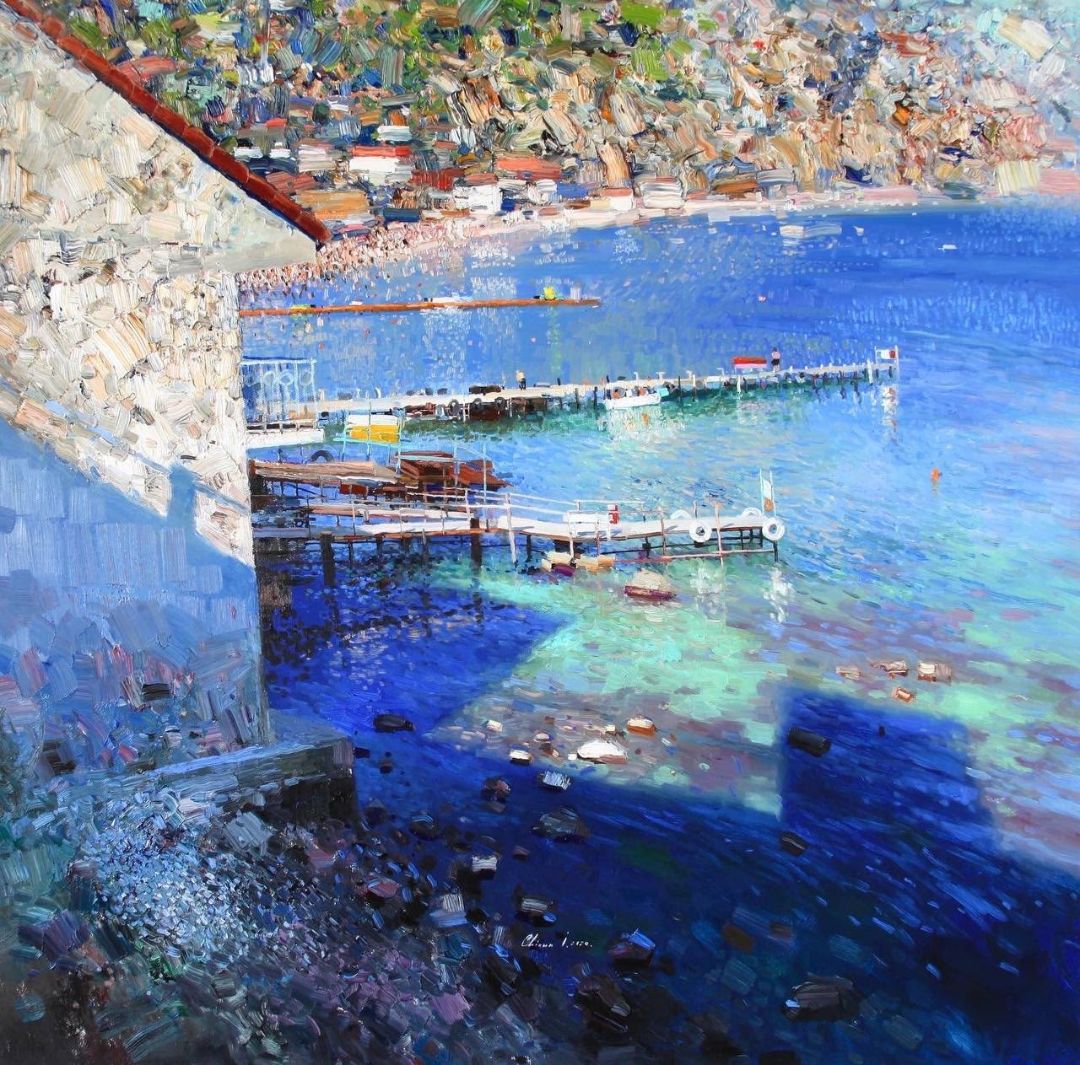
Novy Svet, 2020. Oil on canvas, 95 × 95 cm
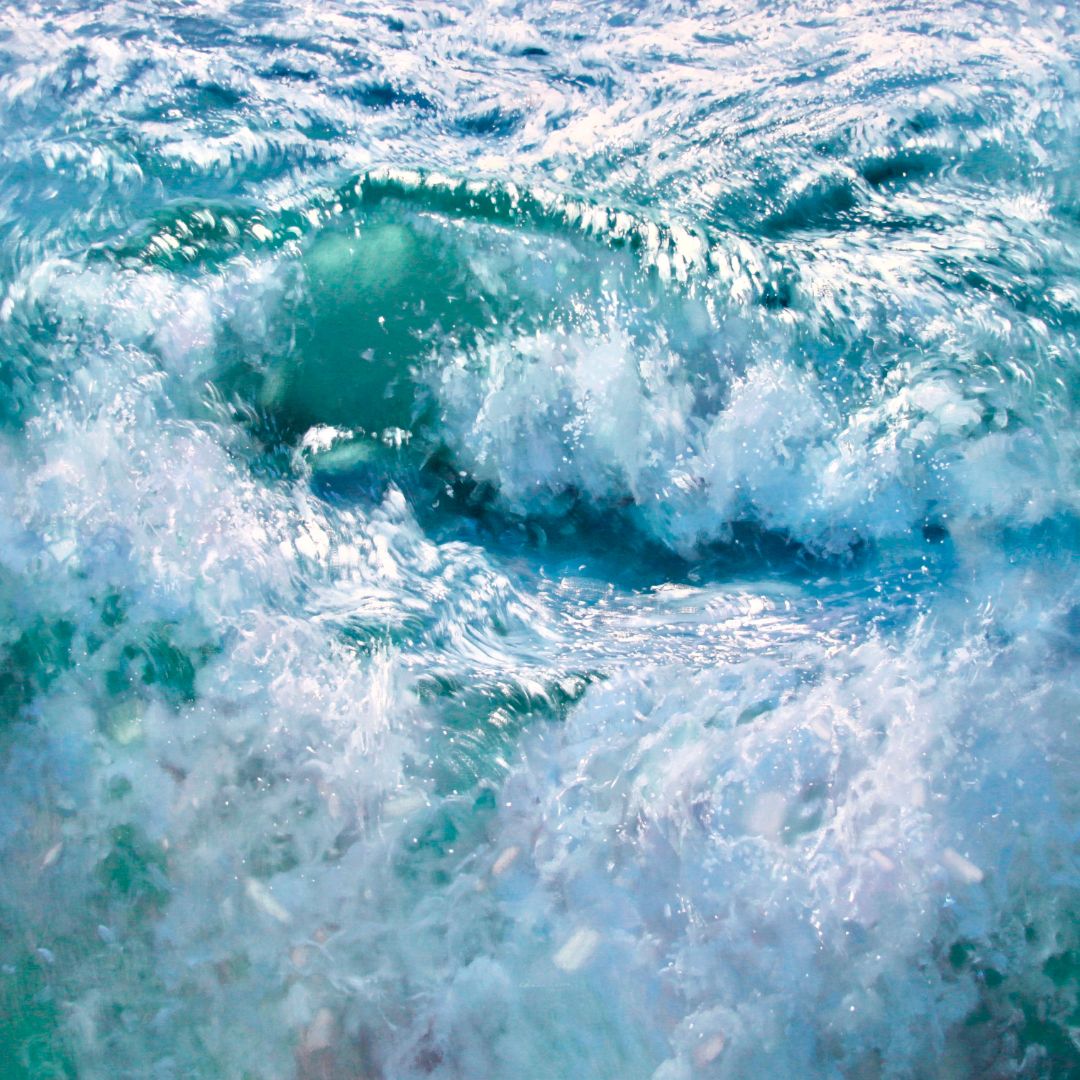
Wave, 2019. Oil on canvas, 160 × 160 cm
This perhaps explains the remarkable openness of his work. His paintings require neither specialist knowledge nor familiarity with the history of art. Their language is immediately understandable because it is rooted in universal human experience: the joy of a spring morning, the stillness of a winter woodland, the warmth of sunlight or the tranquillity of evening light. It is for this reason that viewers so readily recognise their own memories and emotions within his landscapes.
At the same time, this apparent simplicity is supported by profound inner discipline. Chirun does not attempt to paint everything he sees. Instead, he patiently waits for nature itself to reveal the moment from which a painting can emerge. Sometimes that moment lasts only a few minutes; at other times it requires returning to the same place repeatedly, observing how light, atmosphere and mood continue to change. Such patience has become an essential part of his artistic method.
Perhaps this is one of the defining characteristics of Ilya Chirun's art. His paintings are not created from a desire to impress or to demonstrate technical virtuosity. They arise naturally from the attentive, generous and deeply engaged way in which he looks at the world. In turn, they encourage the viewer to look in the same way—with greater patience, greater attentiveness and a renewed openness to the quiet beauty of everyday life
CRM-форма появится здесь