


Where Colour Becomes Heritage
For over 125 years, the traditions of manufacturing and art have come together in Saint Petersburg. Nevskaya Palitra continues this legacy today, creating artists’ materials inspired by the city’s unique cultural heritage and longstanding expertise in colour.

Where Colour Becomes Heritage
For over 125 years, the traditions of manufacturing and art have come together in Saint Petersburg. Nevskaya Palitra continues this legacy today, creating artists’ materials inspired by the city’s unique cultural heritage and longstanding expertise in colour.
NEVSKAYA PALITRA: OVER 125 YEARS OF SAINT PETERSBURG’S TRADITION OF COLOUR
The history of Nevskaya Palitra is inseparably linked with the history of Saint Petersburg, one of Russia’s most important centres of artistic culture. For more than three centuries, the city has been home to renowned art schools, world-class museum collections, scientific innovation, technological development and the production of materials for artists.


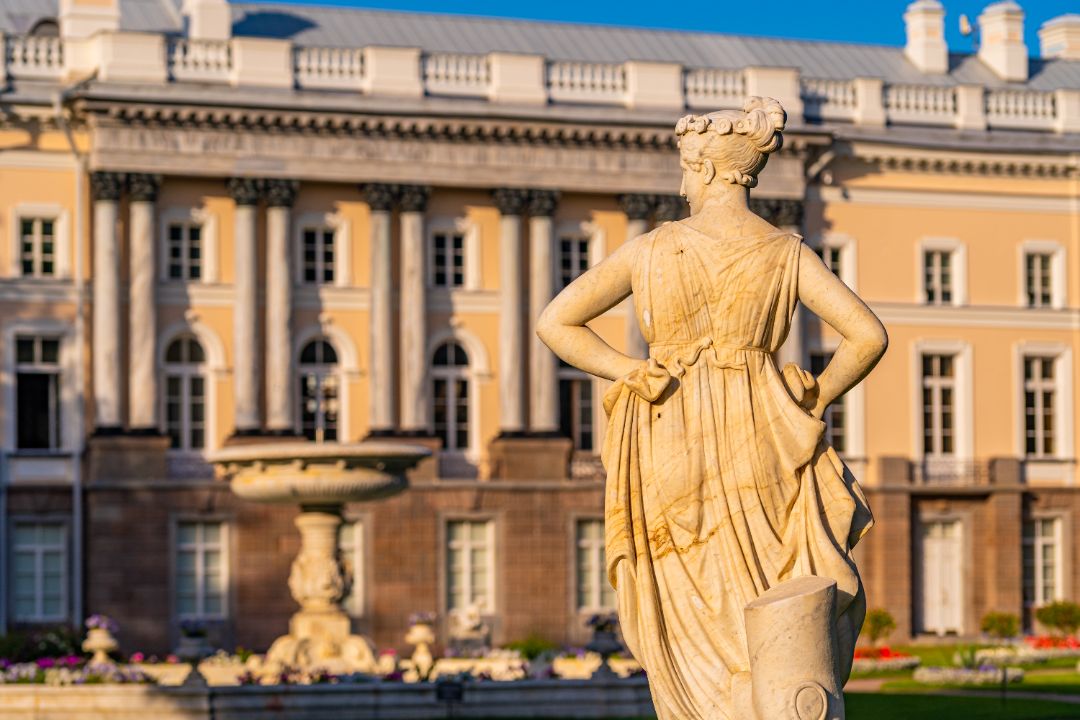
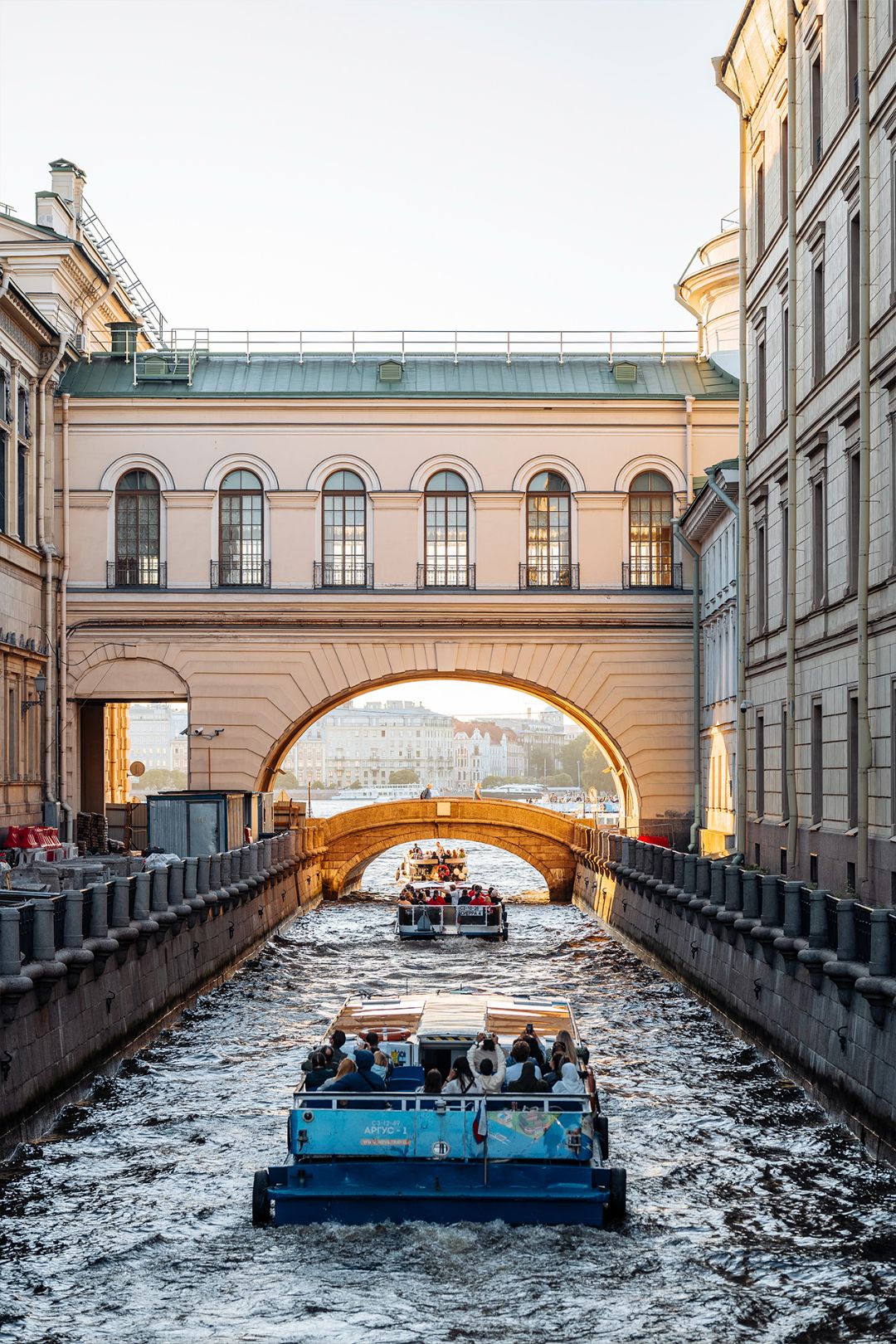

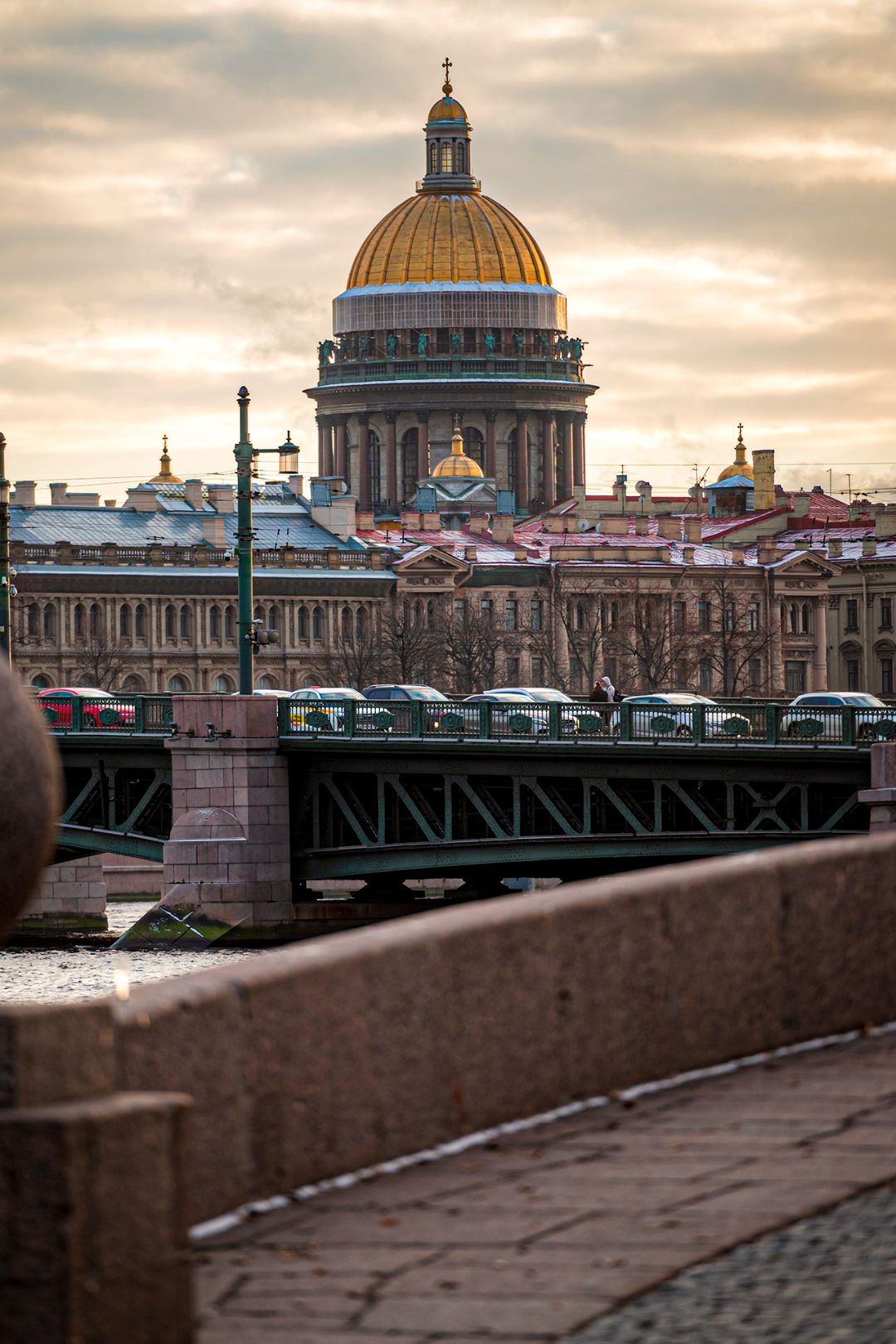
Throughout its history, Saint Petersburg has brought together artists, scientists, technologists, craftsmen and manufacturers, creating a unique environment in which artistic ideas flourished alongside advances in the technologies of colour and material production. It was within this cultural and industrial landscape that the foundations were laid for one of Russia’s leading manufacturers of professional artists’ materials.
The Imperial Academy of Arts and the Russian Museum: A Legacy of Russian Painting
For more than three centuries, Saint Petersburg has remained one of the principal centres of Russian artistic culture. The Imperial Academy of Arts, which laid the foundations of formal artistic education in Russia, trained generations of painters whose work shaped the development of national art. Among those associated with the Academy are artists whose names became part of world art history: Karl Bryullov, Ilya Repin, Ivan Aivazovsky, Vasily Surikov, Viktor Vasnetsov, Arkhip Kuindzhi and Valentin Serov. For these masters, the quality of artistic materials was an essential part of professional practice.
1757–1898
Artistic Tradition

St. Petersburg Ilya Repin Academy of Fine Arts
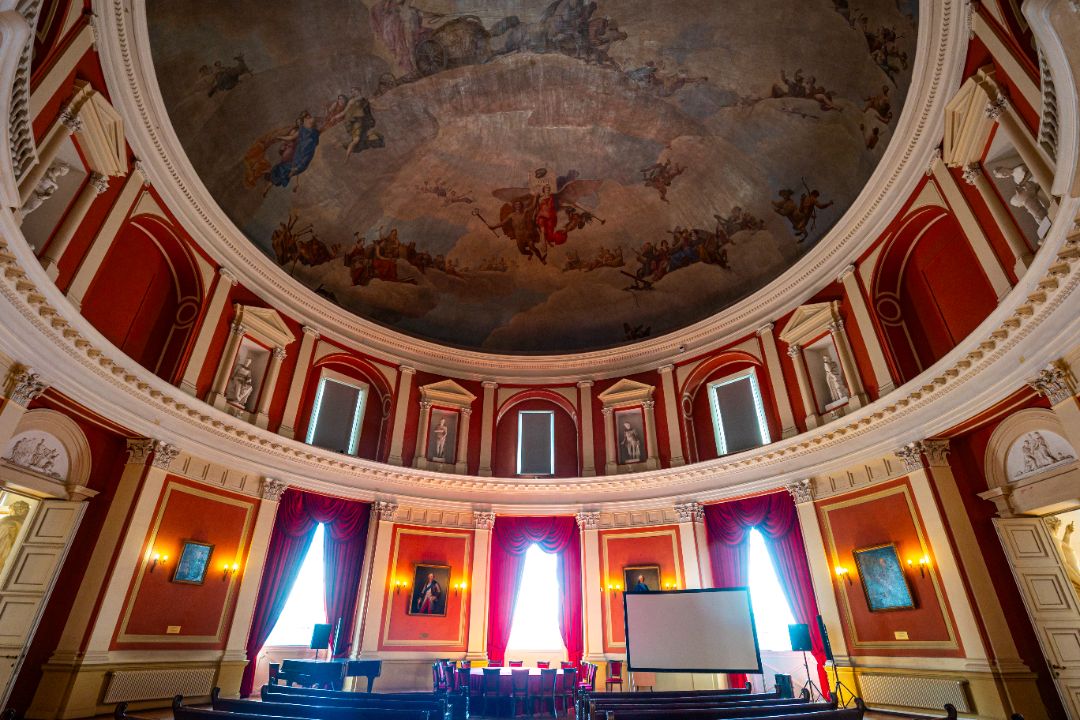
St. Petersburg Ilya Repin Academy of Fine Arts
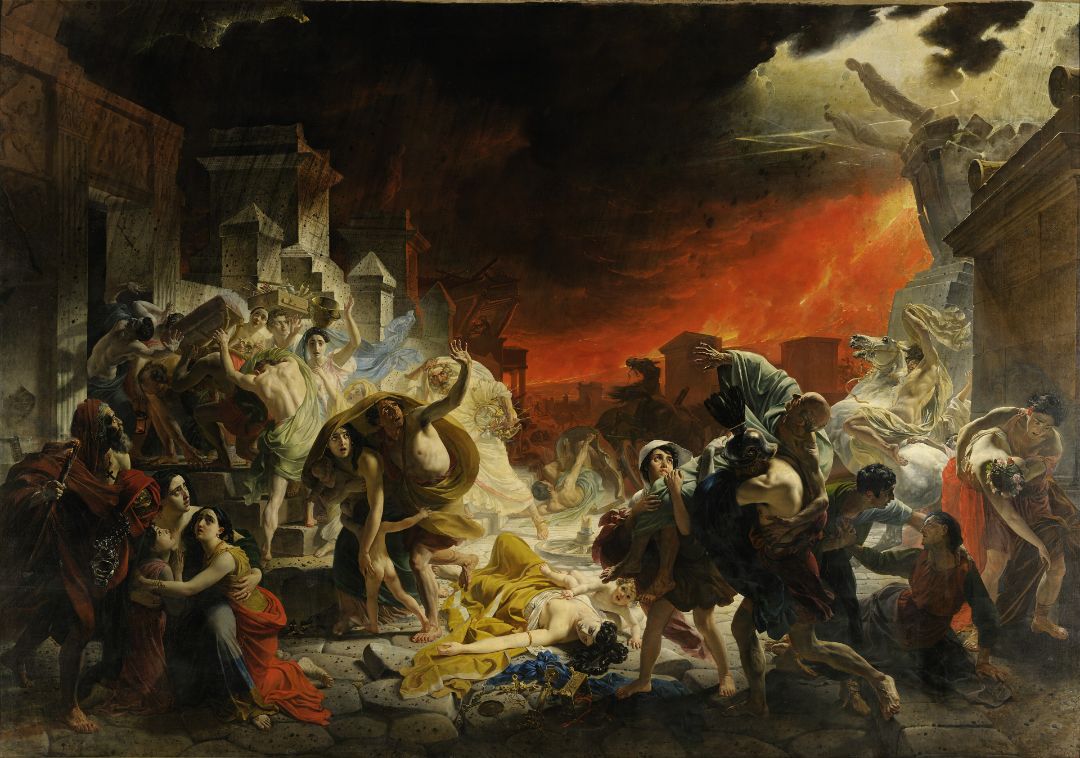
Karl Bryullov "The Last Day of Pompeii." 1799-1852

The Russian Museum
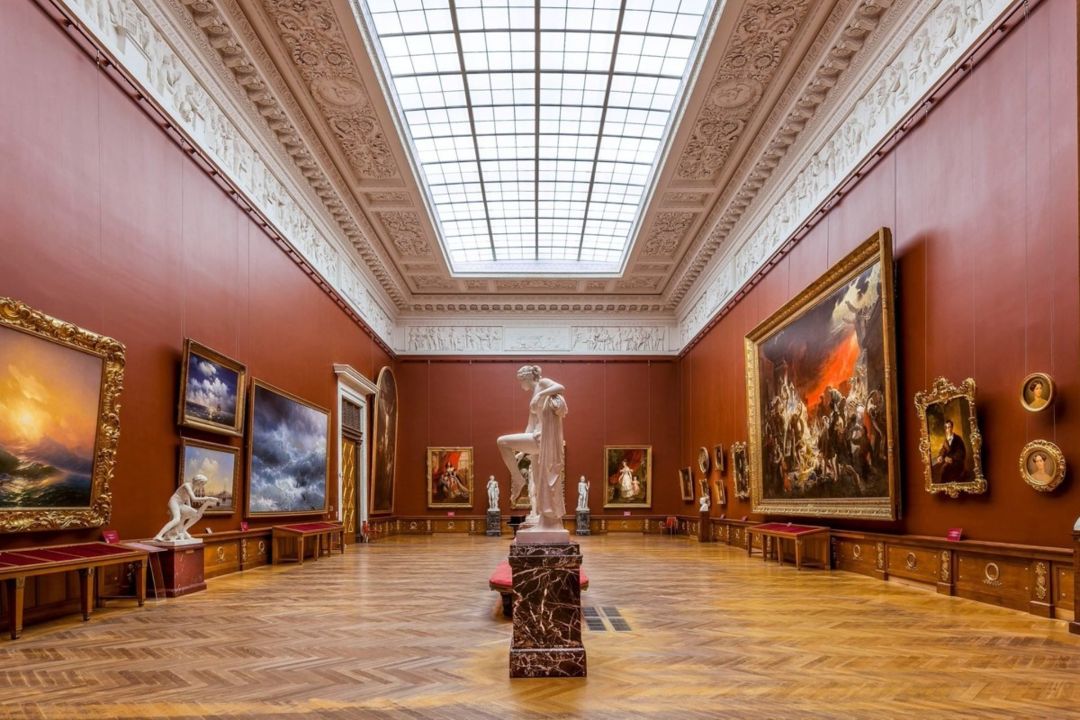
The Russian Museum
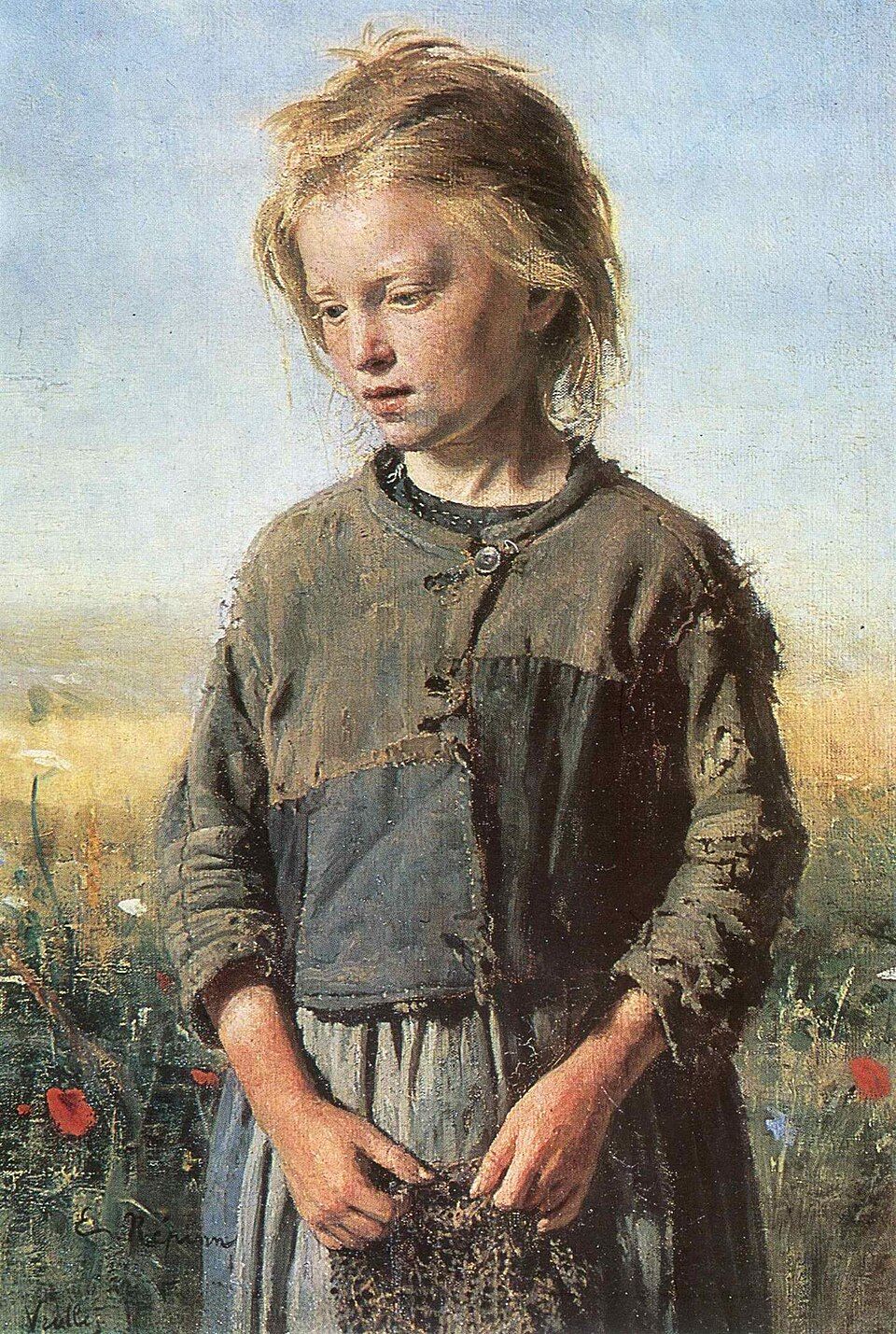
Ilya Repin "Fisher girl".1874
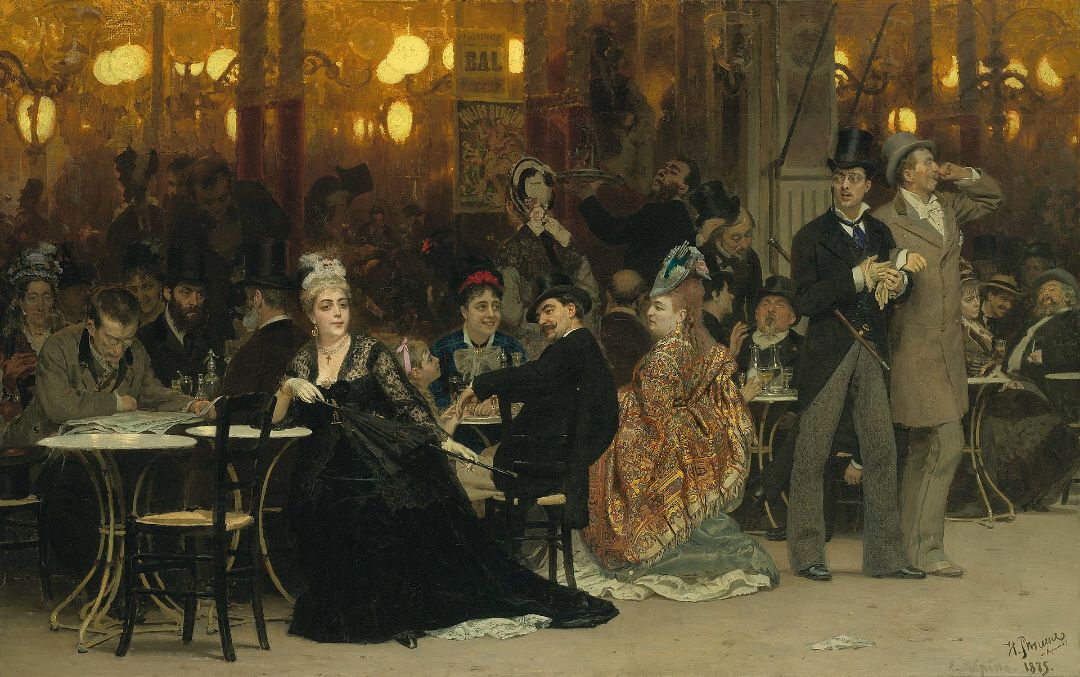
Ilya Repin "Parisian Cafe ". 1874-75
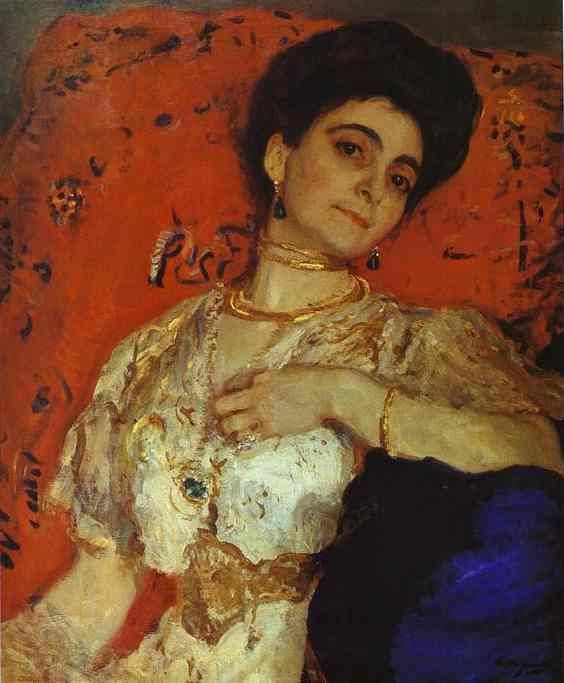
Ilya Repin "Portrait of Maria Akimova." 1908
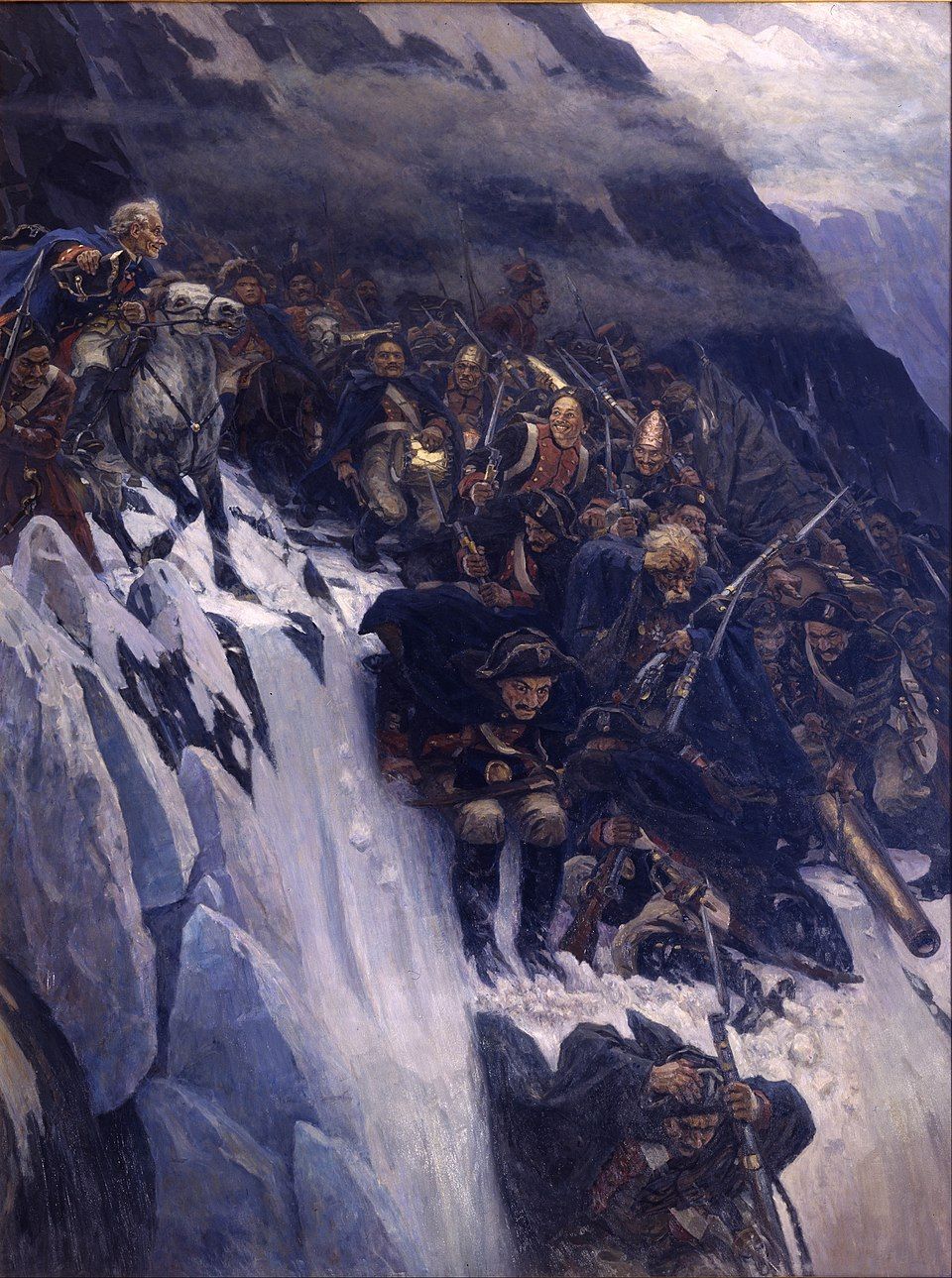
Vasily Surikov "Suvorov Crossing the Alps in 1799". 1899
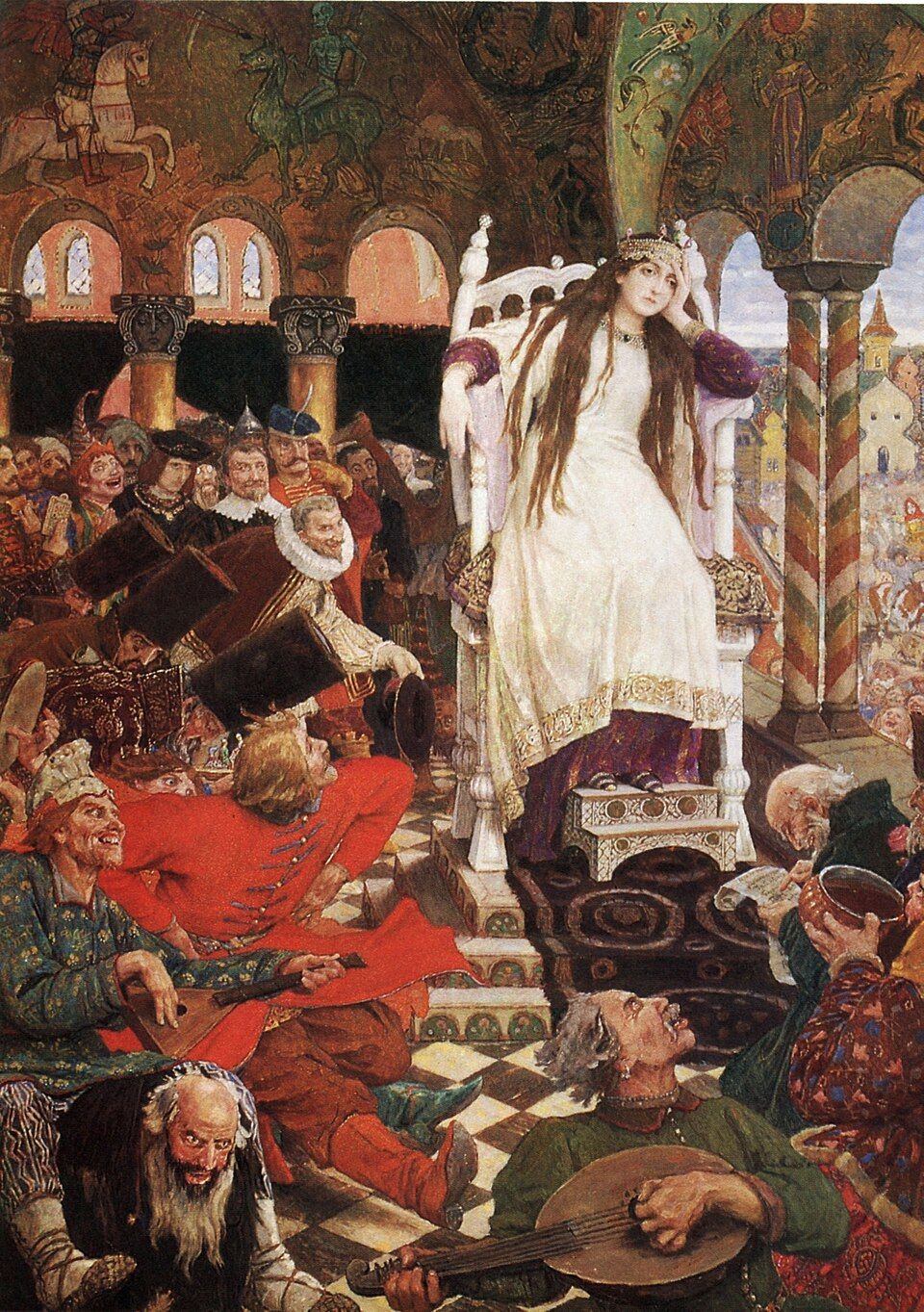
Victor Vasnetsov "The Unmeaning Princess". 1914-1916
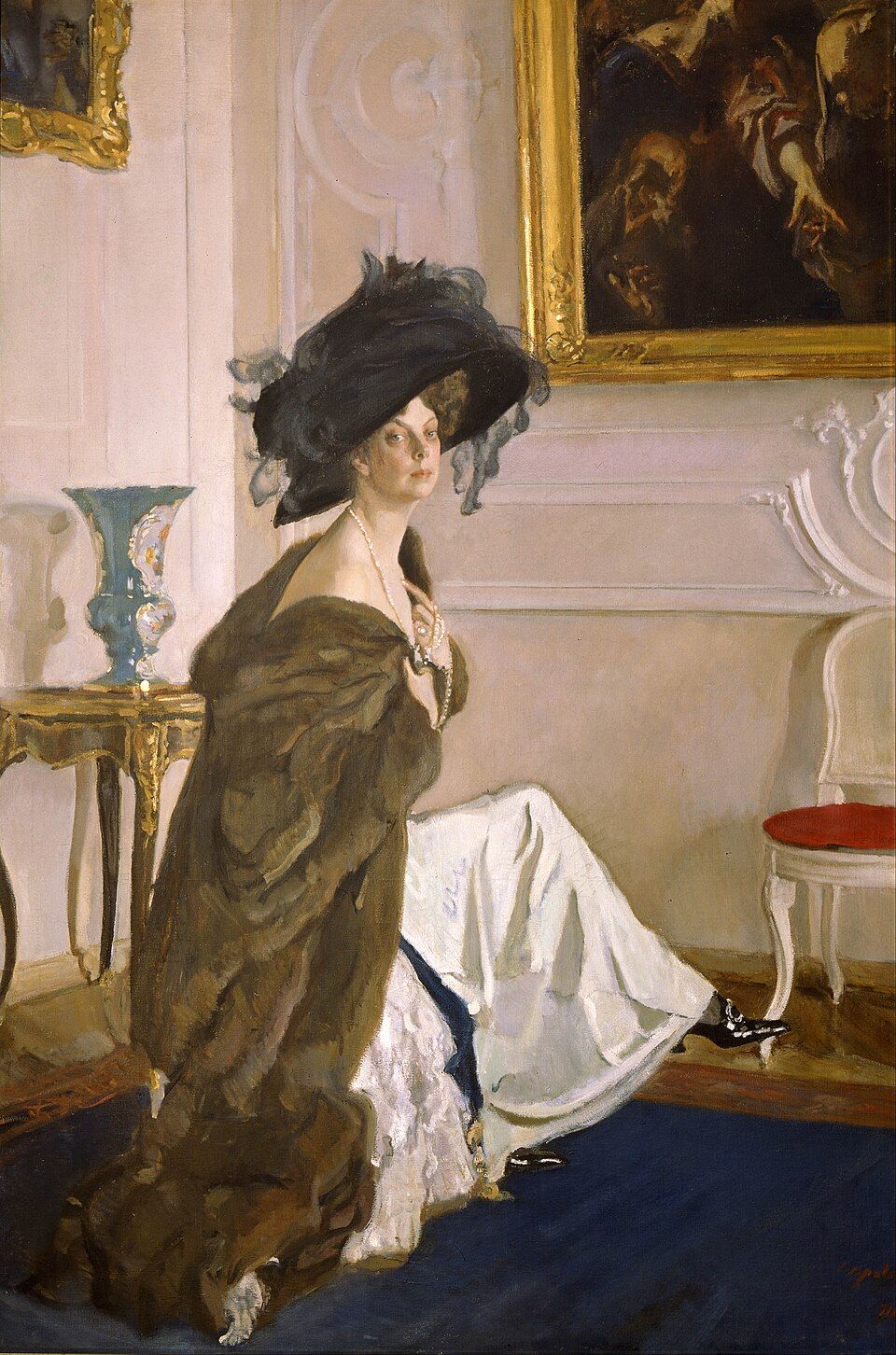
Valentin Serov "Portrait of Princess Olga Orlova". 1911

Ivan Aivazovsky, Peter I at Krasnaya Gorka. 1846
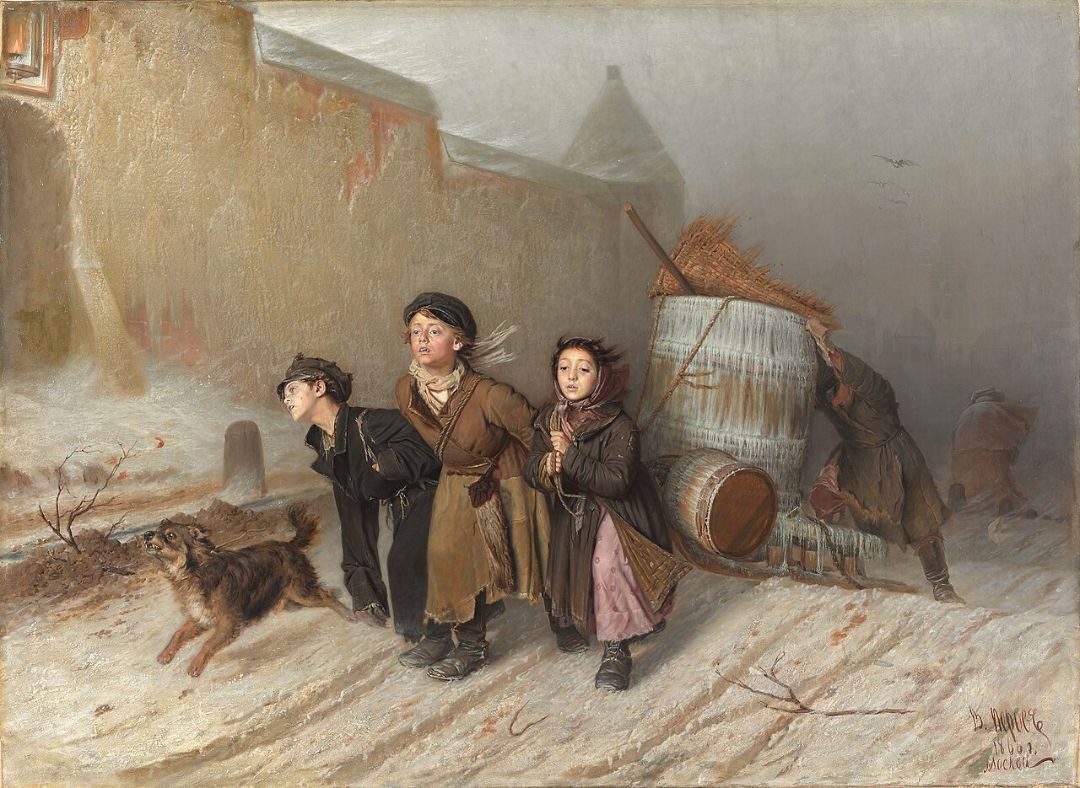
Vasily Perov "Troika". 1866
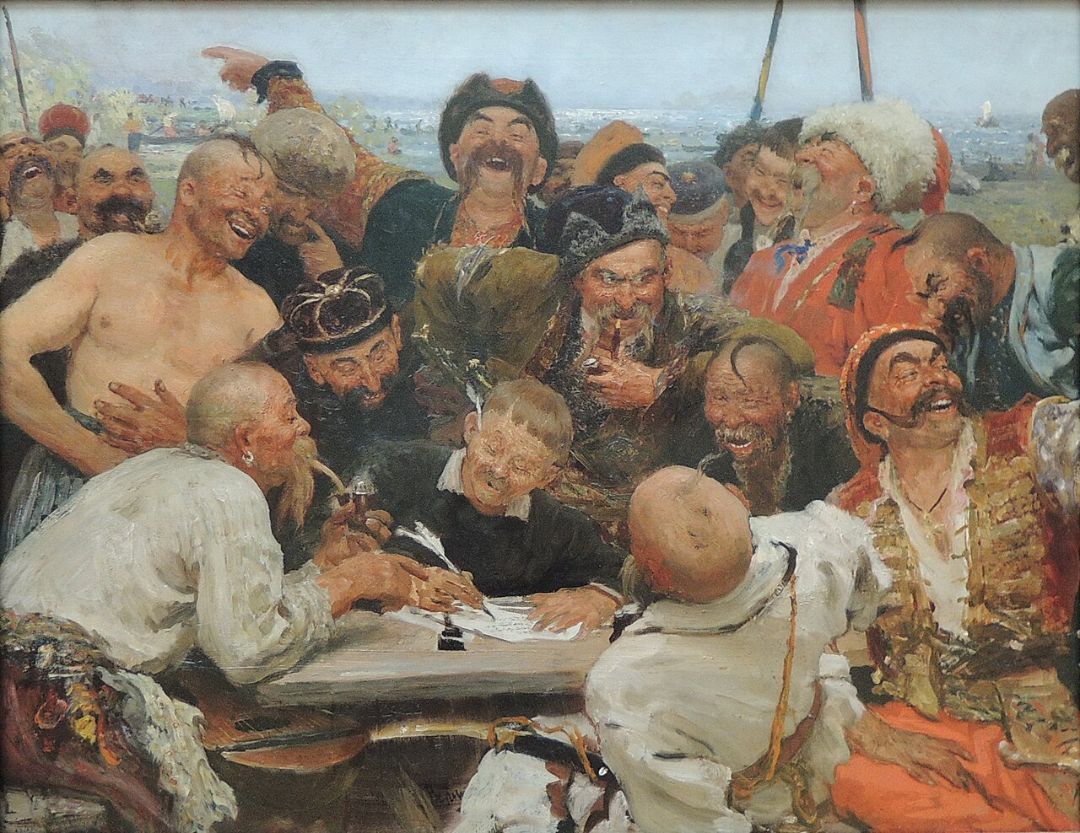
Ilya Repin "A letter from the Zaporozhians to the Turkish Sultan." 1880-1890

Valentin Serov "Portrait of G.L.Girshman". 1907
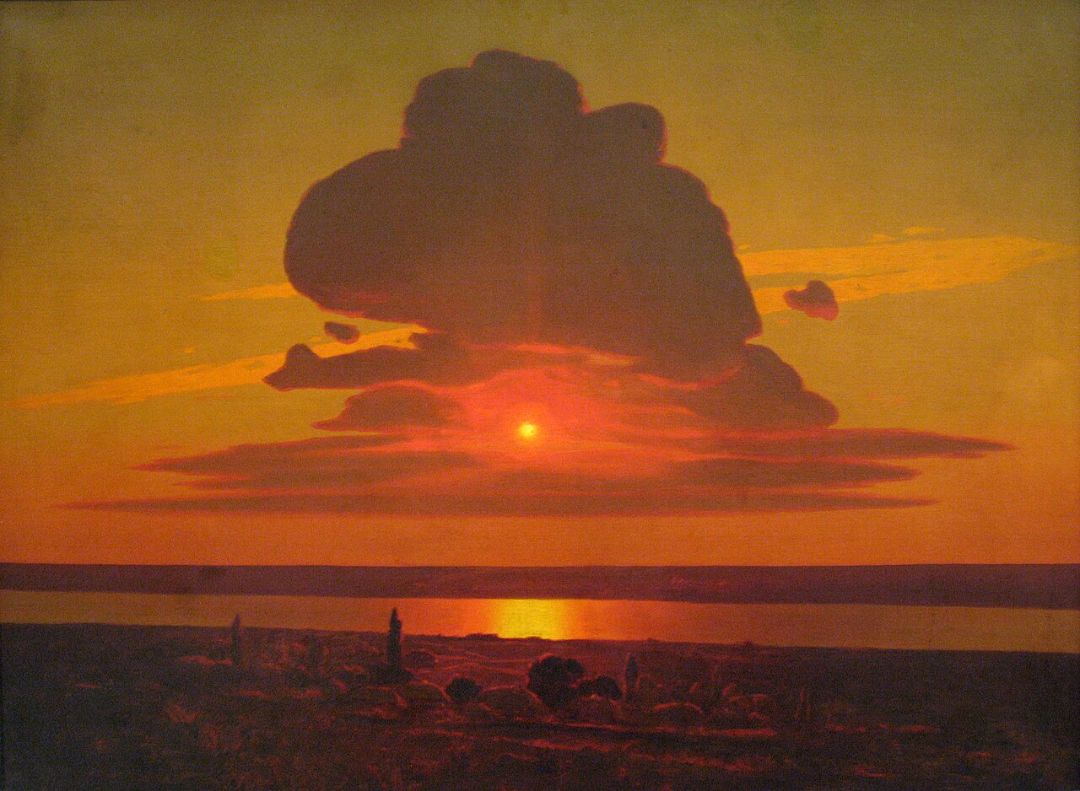
Arkhip Kuindzhi "Red sunset on the Dnieper". 1905
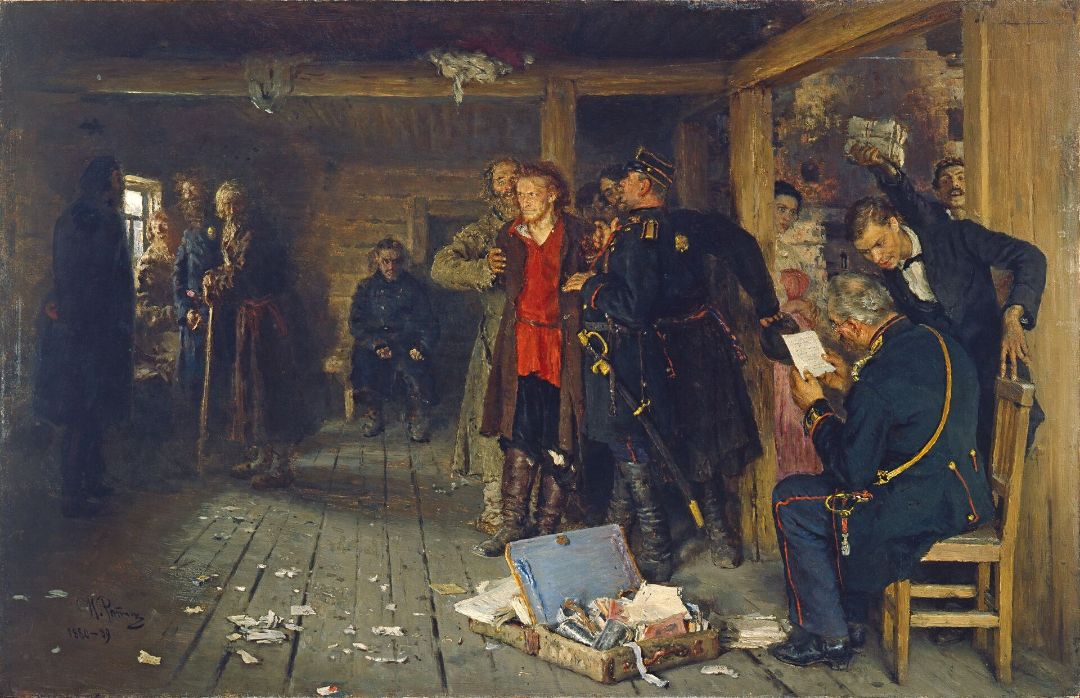
Ilya Repin "The Arrest of a propagandist". 1880-1889, 1892
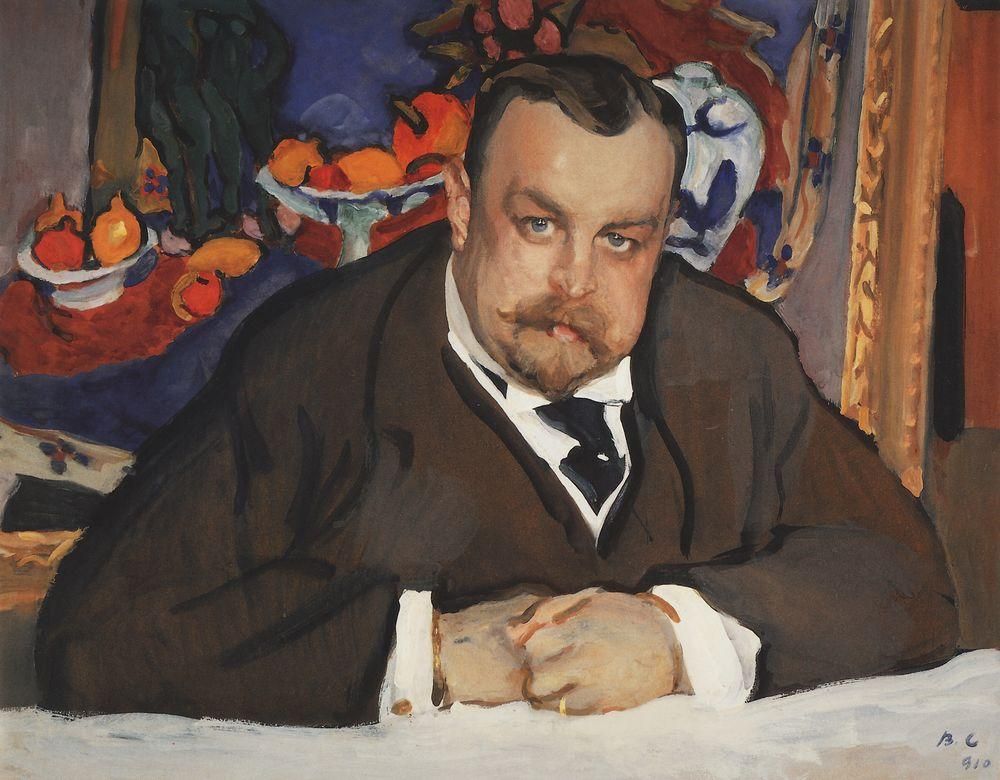
Valentin Serov "Portrait of Ivan Morozov". 1910
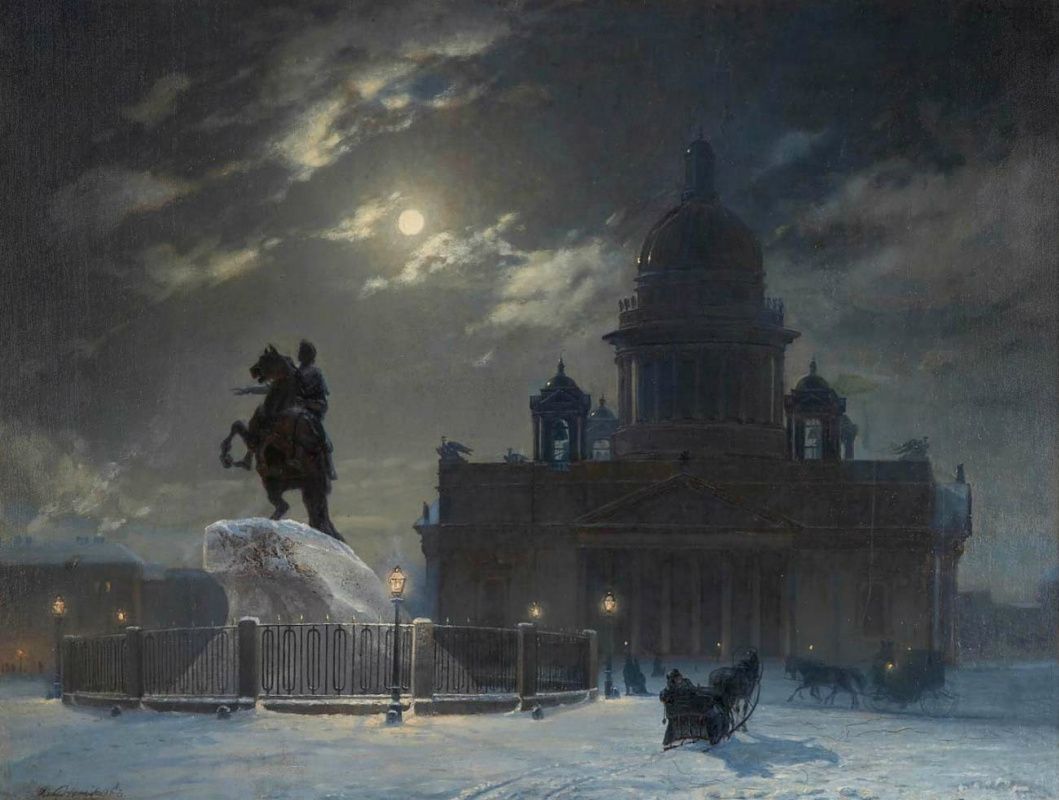
Vasily Surikov "View of the monument to Peter the Great". 1870
The story of Russian painting is preserved today in the collection of the State Russian Museum, the largest repository of Russian art in the world. Its galleries trace the evolution of Russian art from the academic tradition of the nineteenth century through the work of the Peredvizhniki (The Wanderers) to the groundbreaking achievements of the Russian avant-garde. Together, the Academy of Arts and the Russian Museum created a unique cultural environment in which artistic ideas, painting traditions and the culture of professional artists’ materials developed side by side.
Origins: From Industrial Production to Professional Artists’ Materials
The origins of the company date back to 1899, when the entrepreneur Julius Friedländer established a paint and coatings manufacturing business in Saint Petersburg. At the time, the city was experiencing rapid industrial growth and significant advances in chemical production technologies. It was during this period that expertise in pigments, binders and colour-making processes began to take shape, providing the foundation for the company’s future development.
1899–1934
Manufacturing Origins

Embankment of the Black River, early 20th century
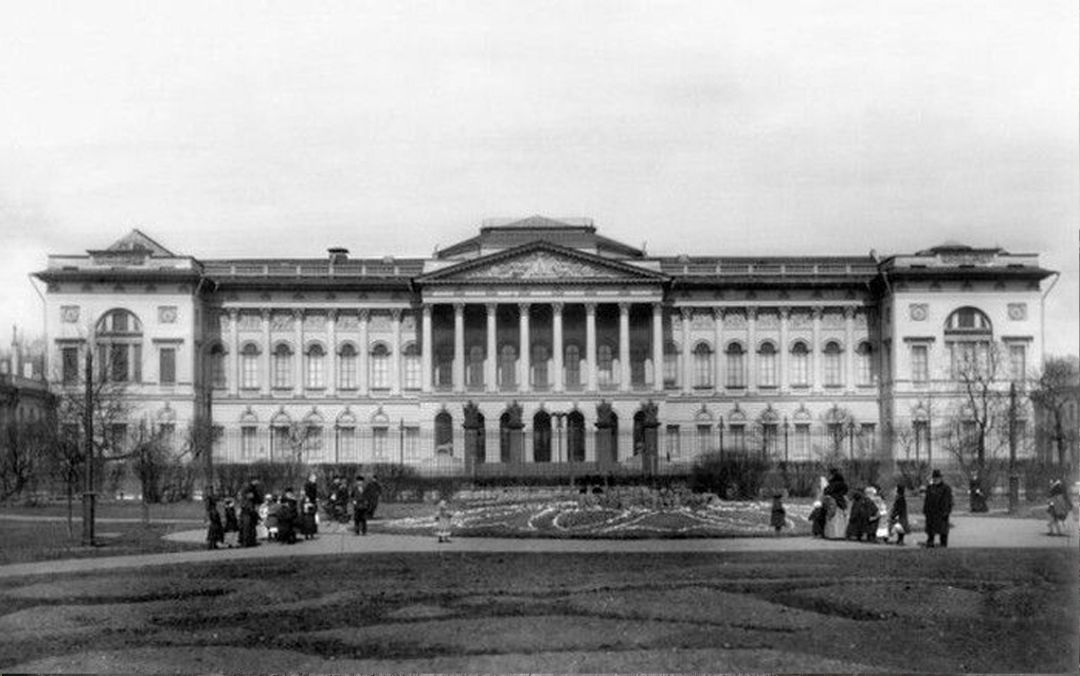
Russian Museum, early 20th century
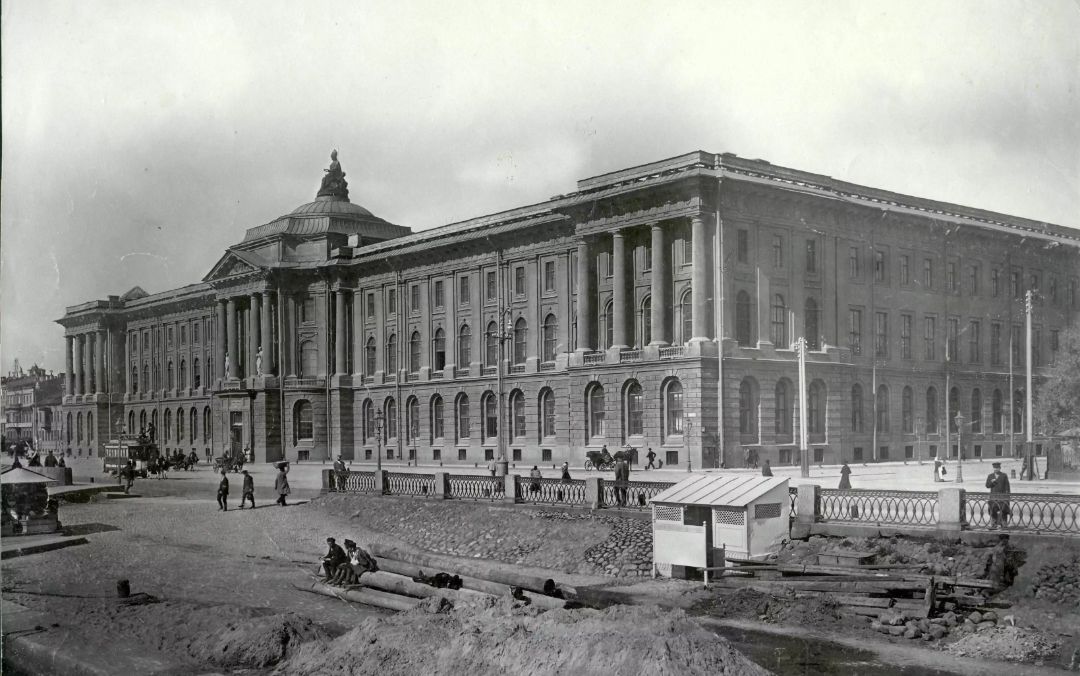
Imperial Academy of Arts, early 20th century
A new chapter began in the 1930s. Significantly, the transition of the enterprise towards the production of professional artists’ materials in Leningrad (Saint Petersburg) coincided with the revival of academic art education following the Revolution and the Civil War. Under the leadership of Isaac Brodsky, a student of Ilya Repin, the restored All-Russian Academy of Arts returned to the classical principles of artistic training. Important contributions to this process were also made by Igor Grabar and Professor Nikolai Kiplik of the Academy of Arts, one of the leading authorities of his time on painting techniques and artists’ materials.
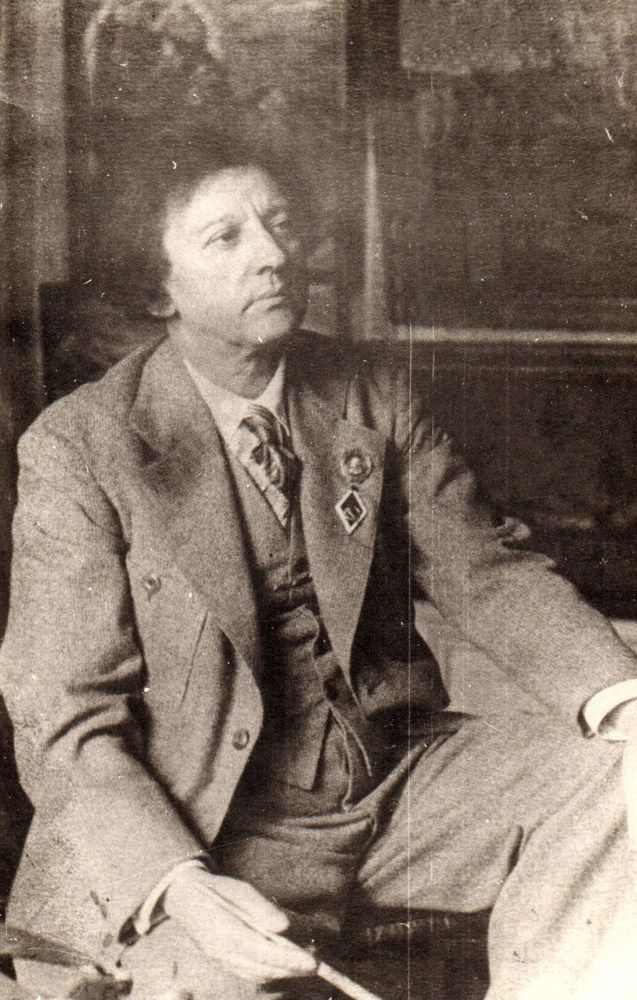
Isaac Israilevich Brodsky (1883-1939)
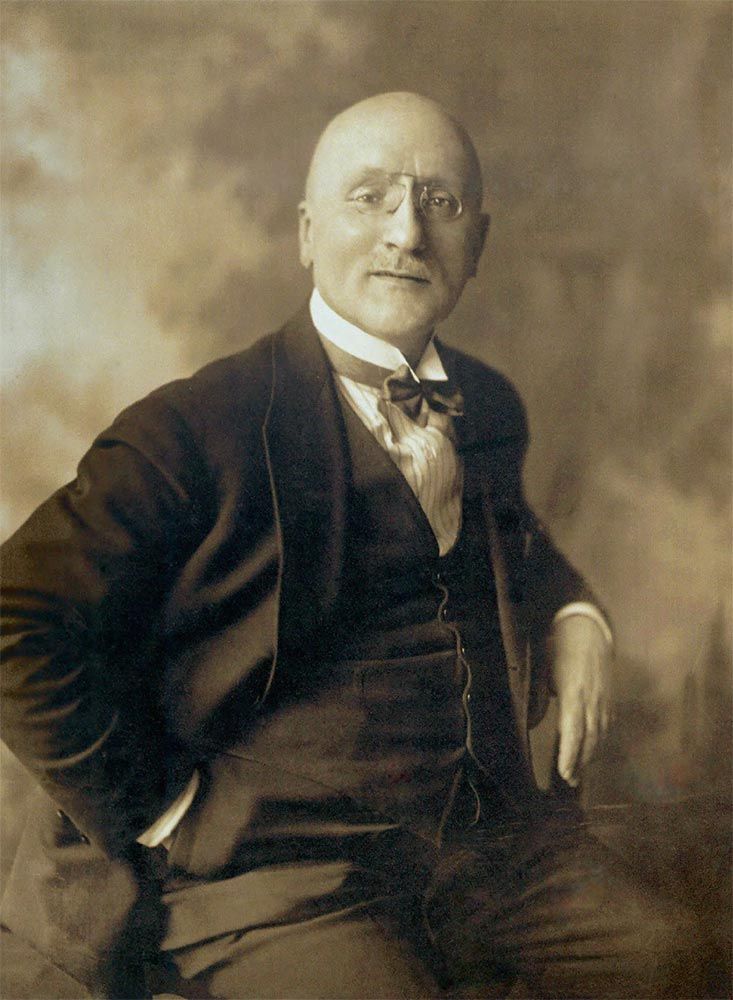
Igor Emmanuilovich Grabar (1871-1960)
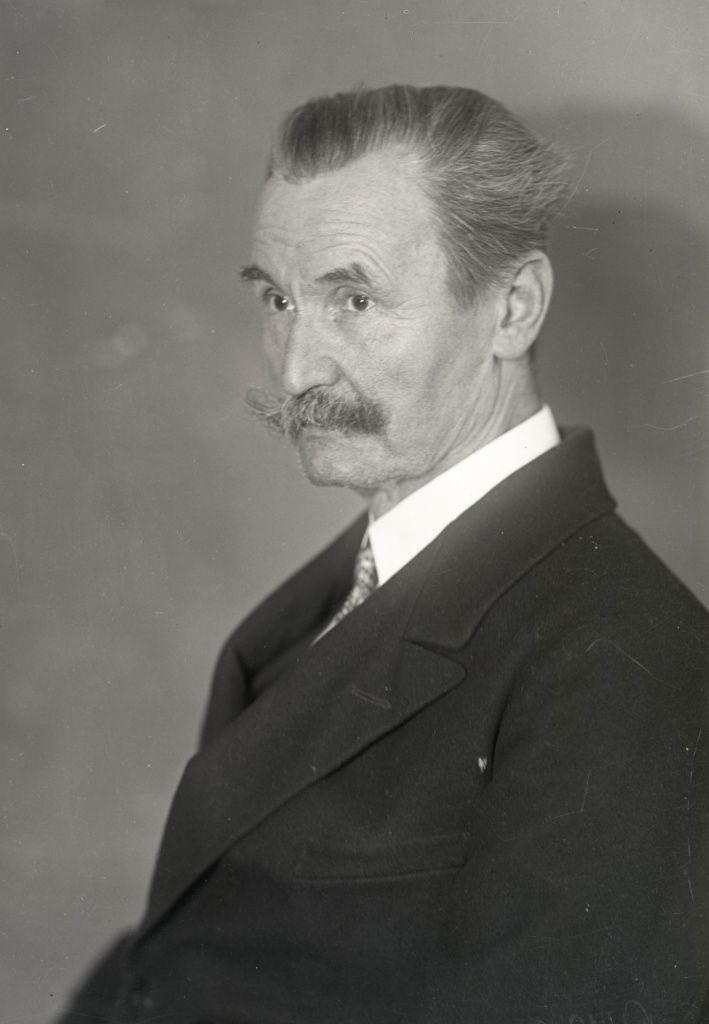
Dmitry Iosifovich Kiplik (1865-1942)
Close cooperation between the artistic community and industry helped refine paint formulations and other materials. Teachers, artists and professors of the Academy advised the company’s technologists, contributing to the development of products capable of meeting the highest professional standards. This collaboration established a unique connection between artistic education, science and manufacturing that became one of the foundations of Saint Petersburg’s tradition of producing materials for artists.
THE LENINGRAD SCHOOL: CONTINUITY OF THE ACADEMIC TRADITION
The transition of the enterprise to the production of professional artists’ materials coincided with the revival of the academic art school in Leningrad (Saint Petersburg). In the decades that followed, a powerful system of artistic education emerged, built upon the continuity of master-apprentice teaching, rigorous professional training and a deep respect for the quality of artists’ materials.
1934–1991
The Leningrad School
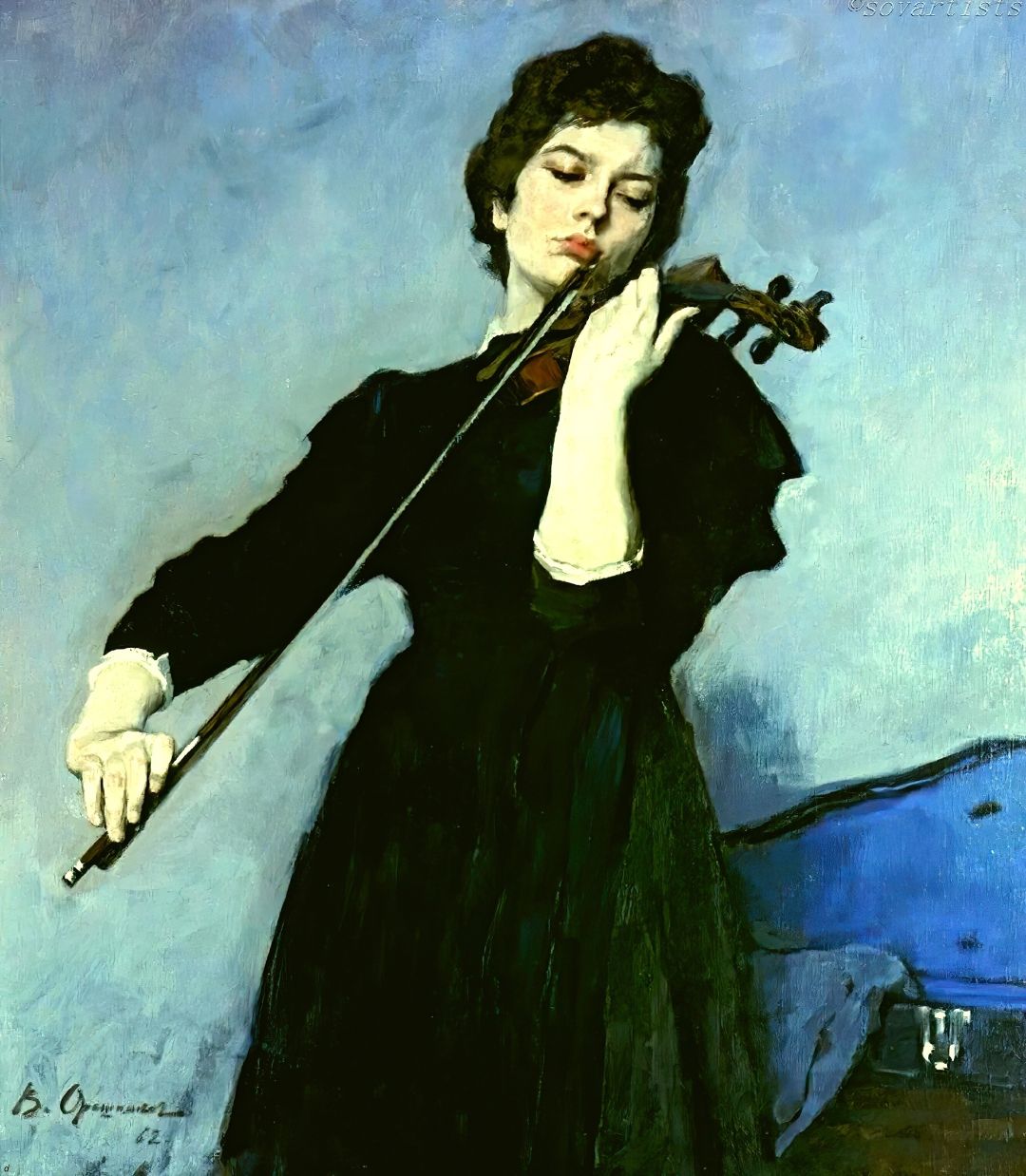
Viktor Oreshnikov. Portrait of violinist Olga Kotlyarevskaya. (1962)
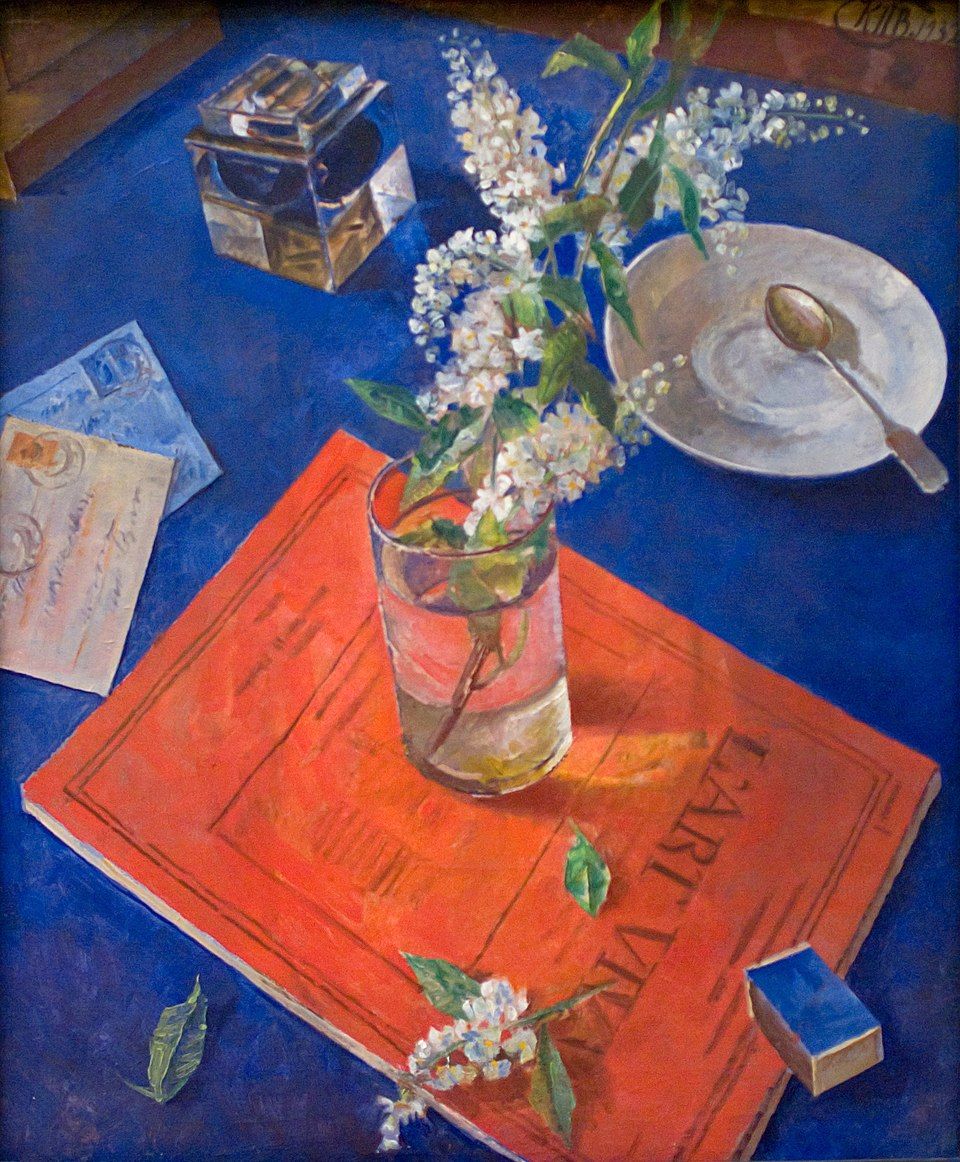
Kuzma Petrov-Vodkin. Bird Cherry in a Glass (1932)
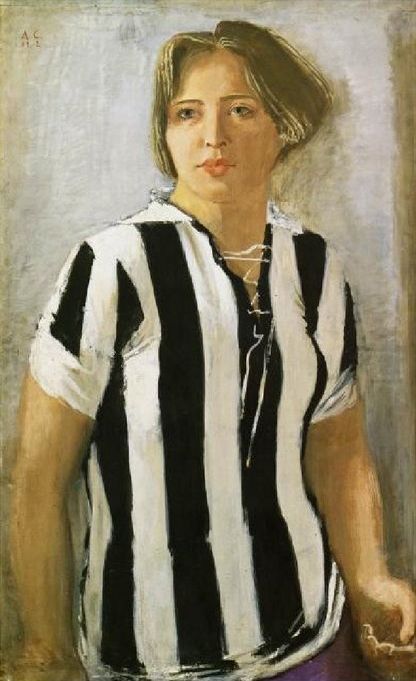
Alexander Samokhvalov. Girl in a Jersey (1932)
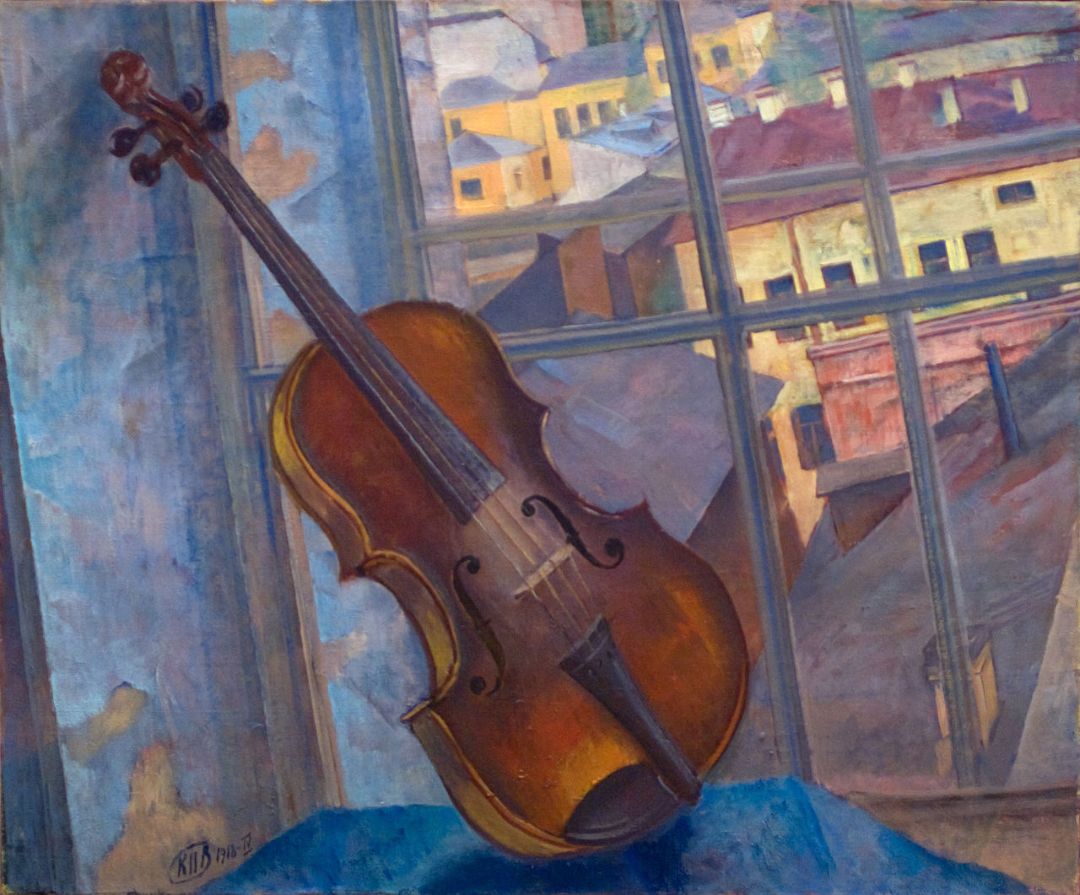
Kuzma Petrov-Vodkin. The Violin (1918)
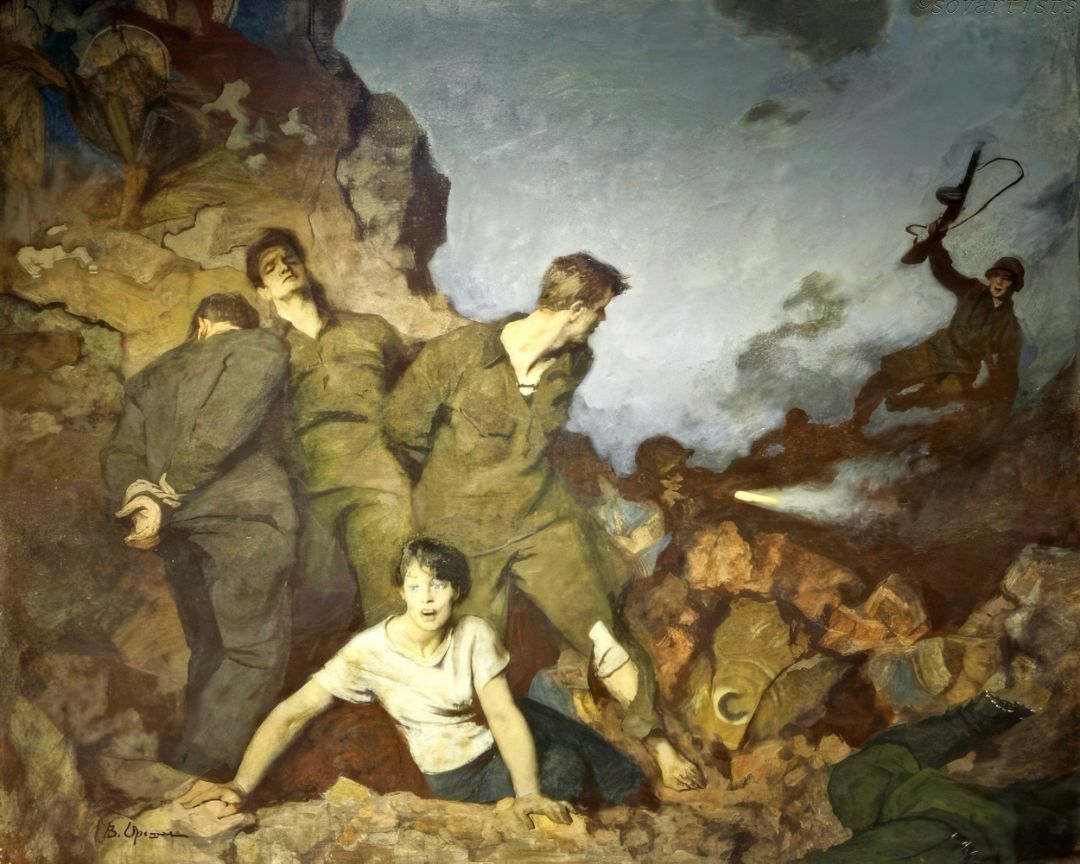
Viktor Oreshnikov. Saved! (1983)
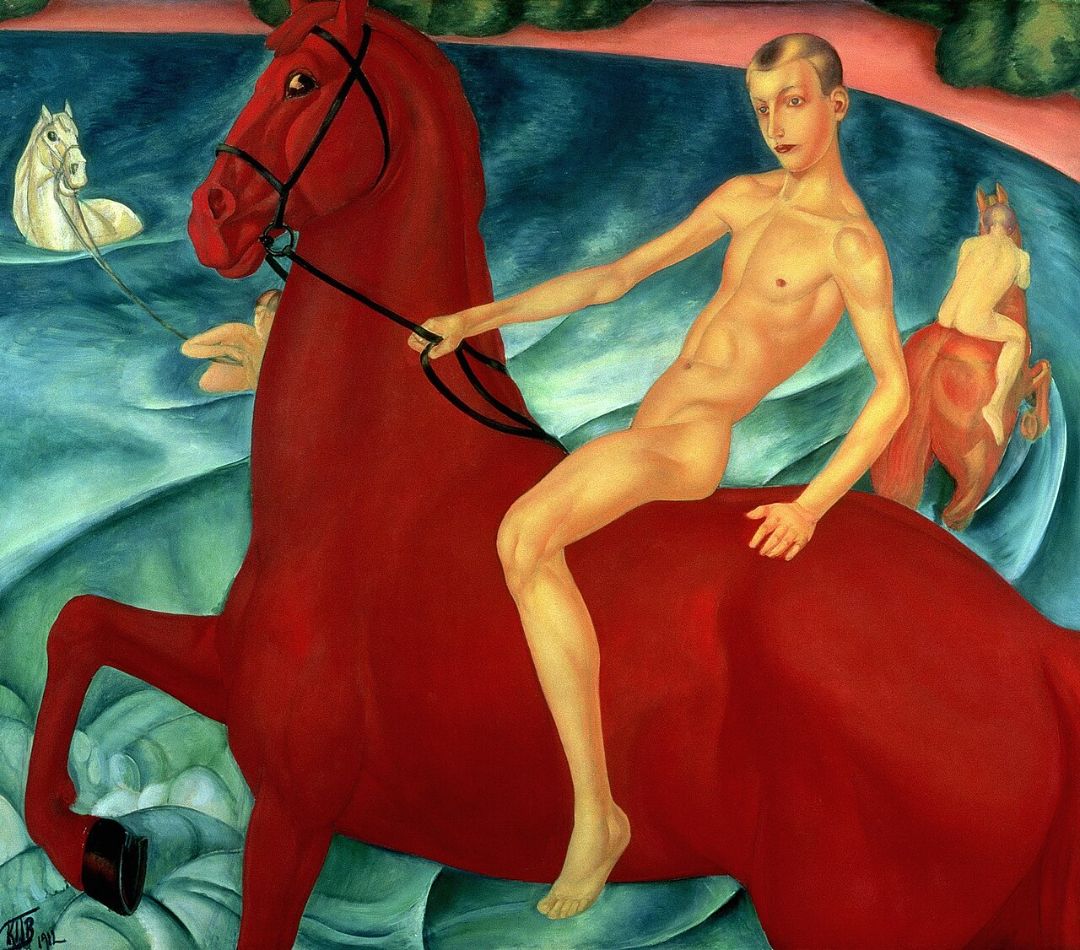
Kuzma Petrov-Vodkin. Bathing of a Red Horse (1912)
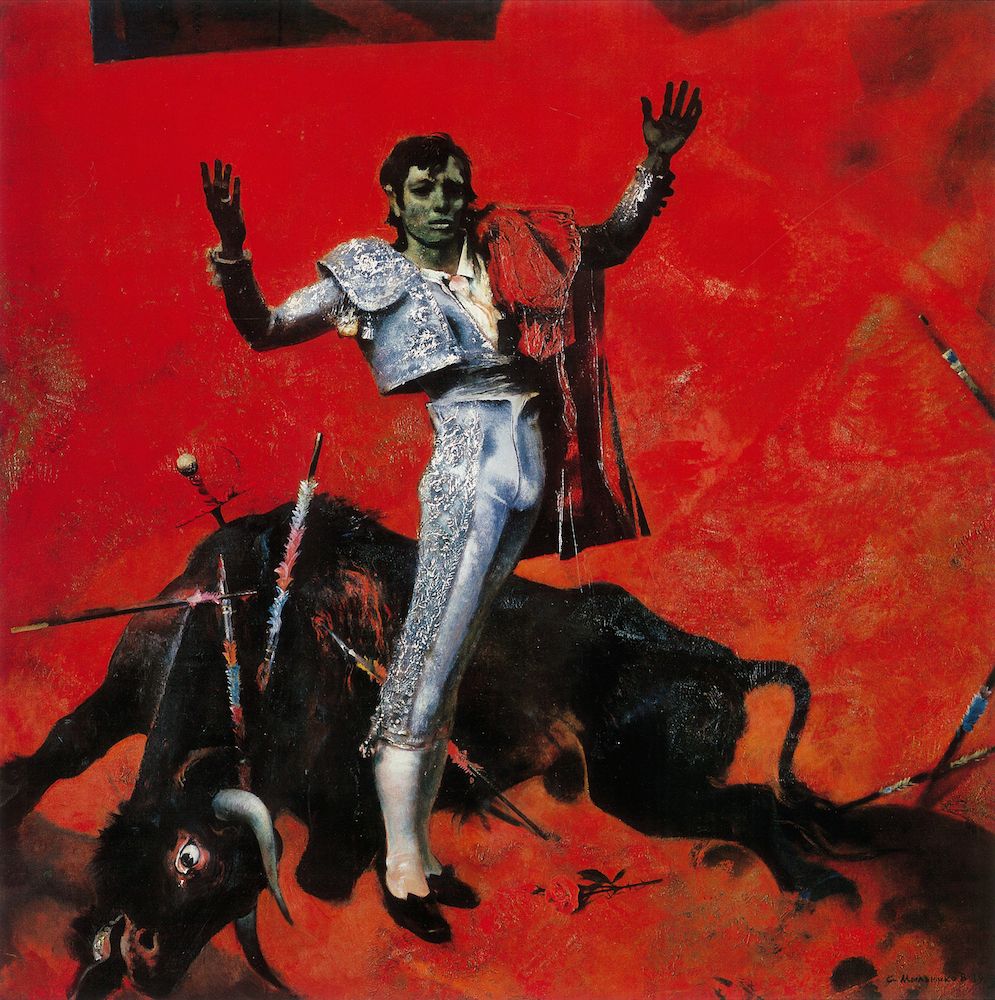
Andrei Mylnikov. A Bullfight in Madrid. (1977-1979)
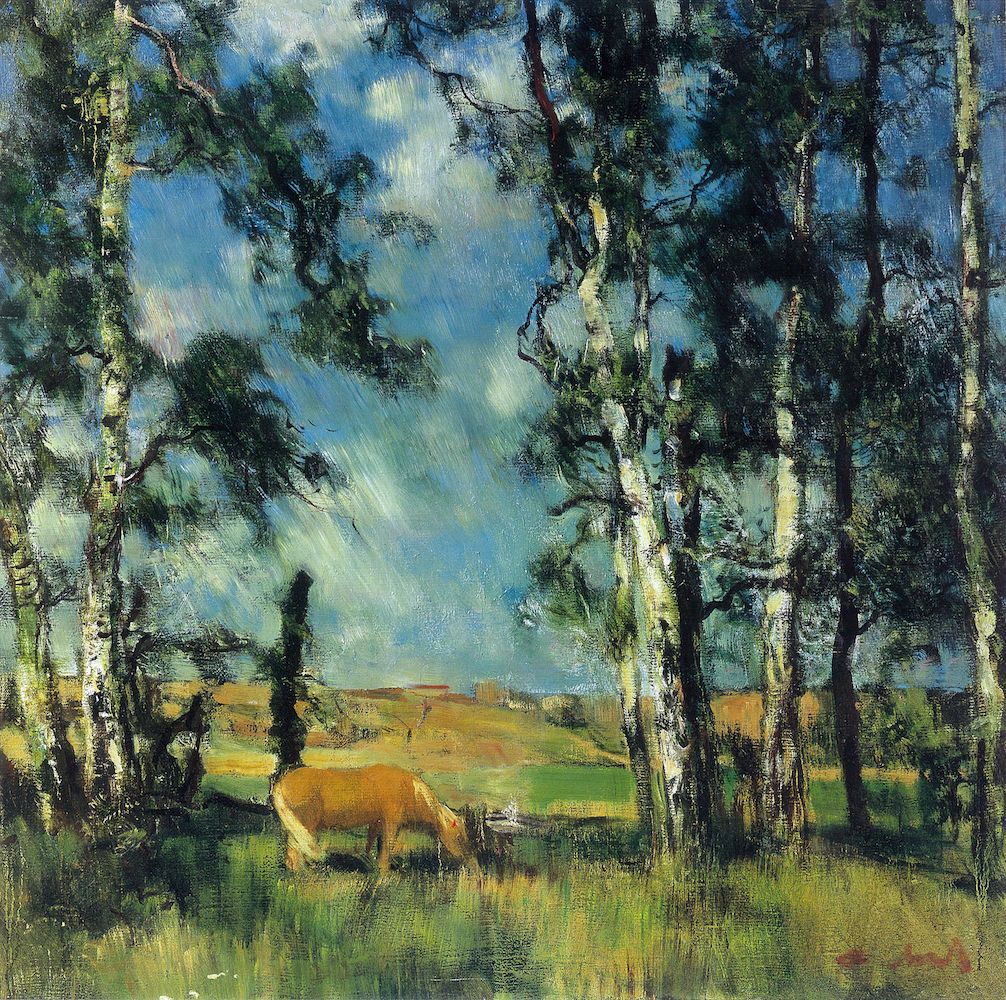
Andrei Mylnikov. A Windy Day. (1975)
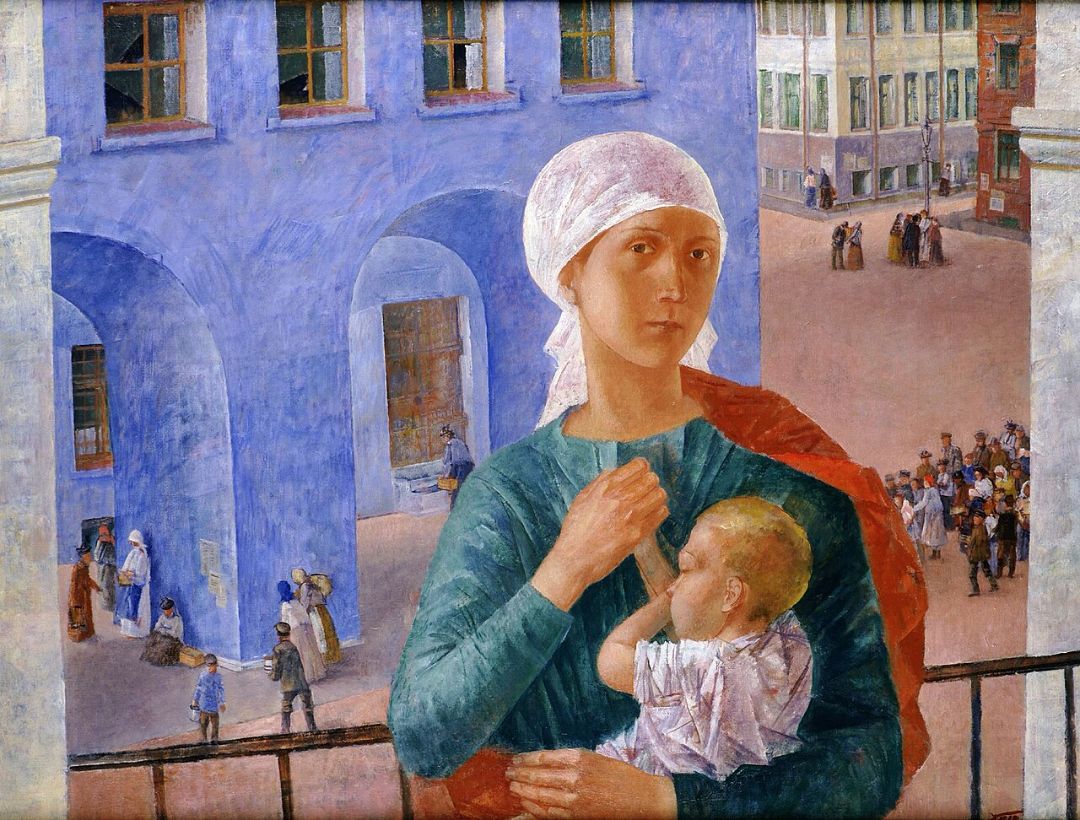
Kuzma Petrov-Vodkin. The Petrograd Madonna (1920)
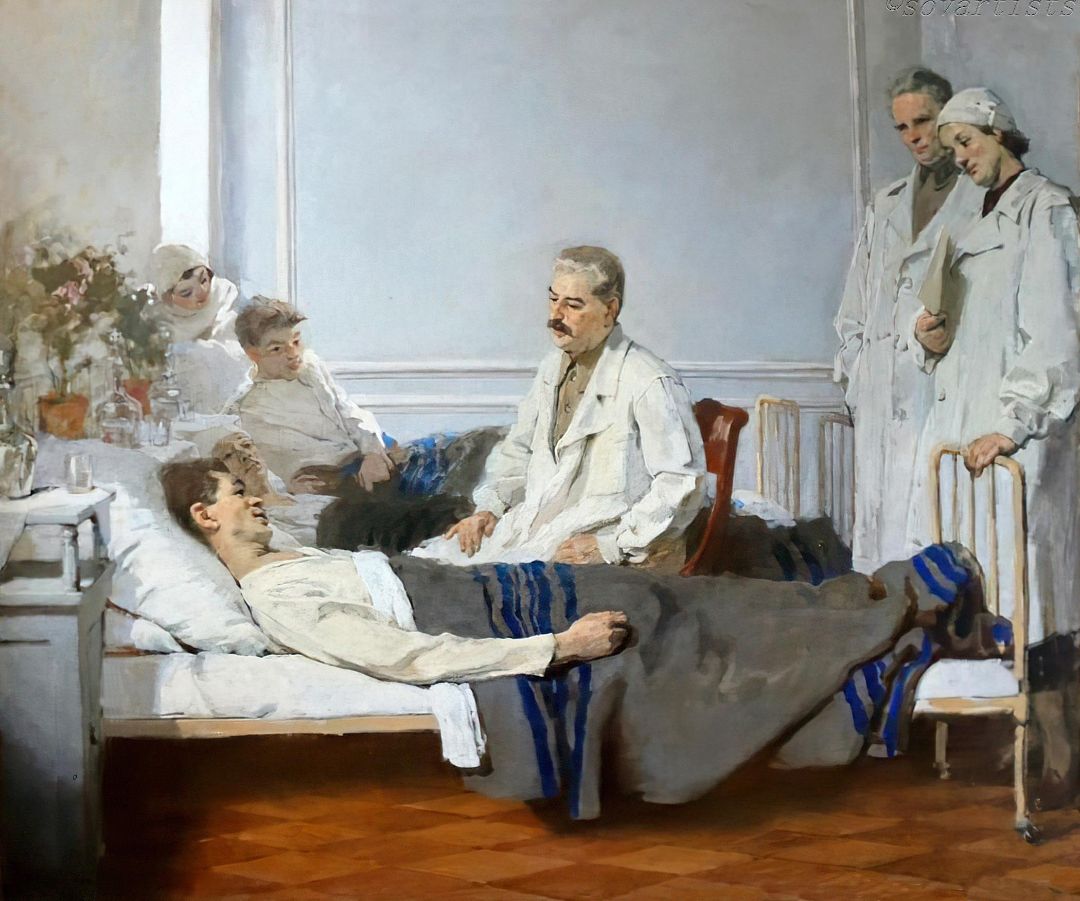
Viktor Oreshnikov. I.V. Stalin visiting the wounded in the hospital. (1953)
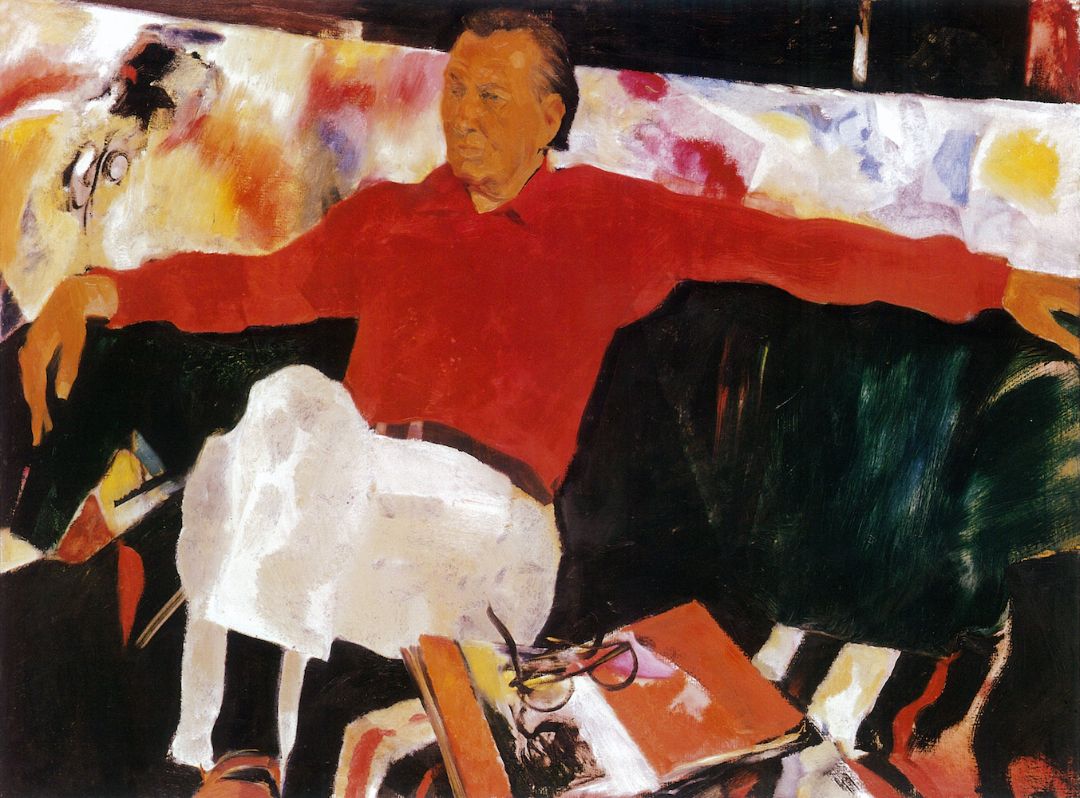
Andrei Mylnikov. The Portrait of Tuchu, a Poet. (1972)
This era is associated with artists and teachers who had a profound influence on the development of Russian art, including Kuzma Petrov-Vodkin, Alexander Samokhvalov, Viktor Oreshnikov, Andrei Mylnikov and their students. Through their teaching, creative workshops and artistic practice, they established a tradition that continues to shape the work of contemporary artists today. It was during this period that the Leningrad School of Painting became firmly established as one of the most distinctive and influential movements in twentieth-century Russian art.
Nevskaya Palitra Today
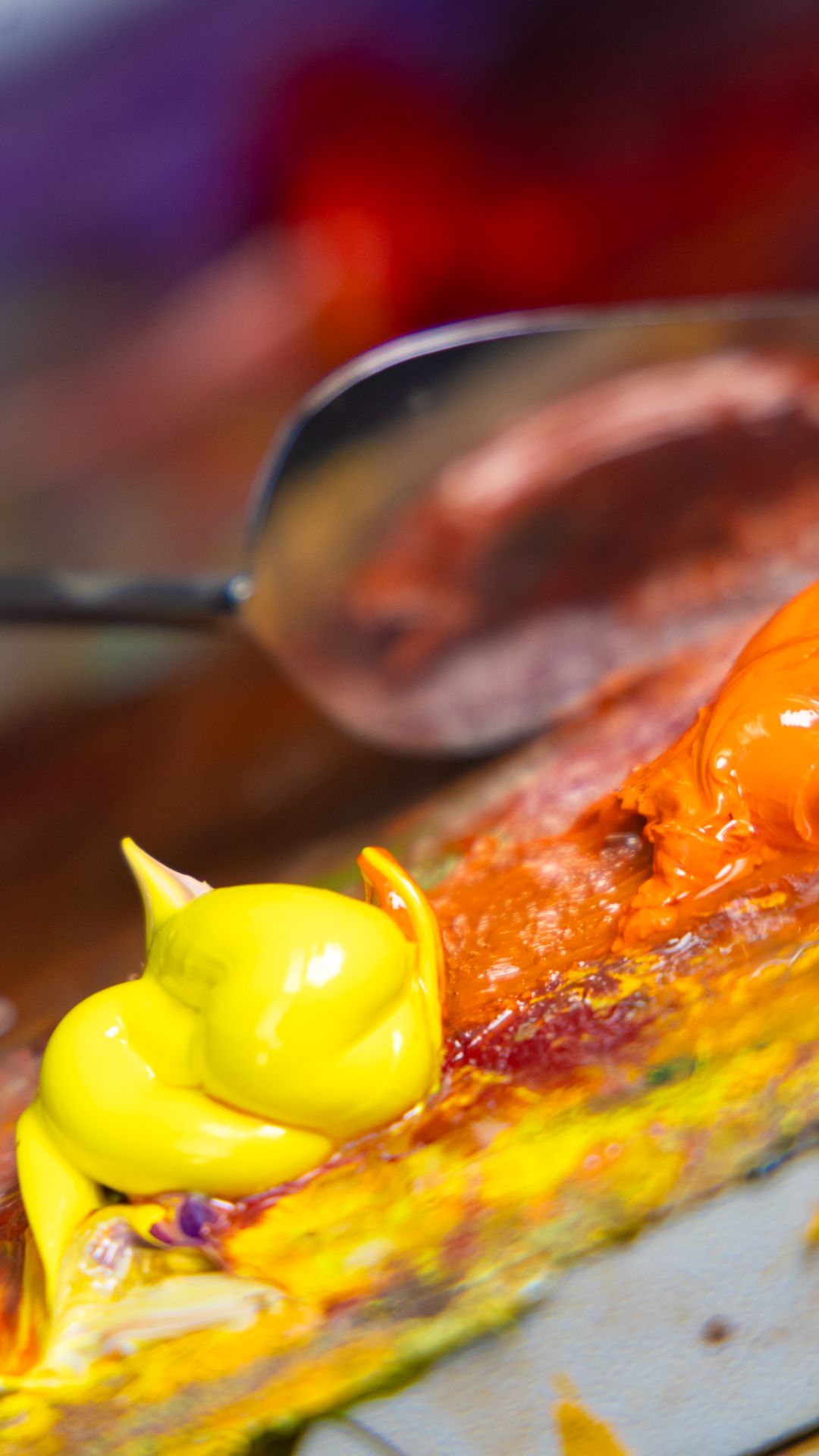
Today, Nevskaya Palitra is Russia’s largest full-cycle manufacturer of professional artists’ materials. The company produces watercolours, oil paints, acrylics, gouache, tempera, auxiliary painting mediums and a wide range of products for artists at every stage of their creative development. One of the company’s key strengths is its own scientific and manufacturing base. Nevskaya Palitra conducts research and testing in its in-house laboratory, develops new formulations and manufactures both natural mineral and earth pigments as well as synthetic pigments, including cobalt and cadmium colours. Today, the company possesses one of the most extensive pigment bases in the artists’ materials industry, bringing together natural earths, mineral pigments and advanced modern materials.
1991–Present
Development
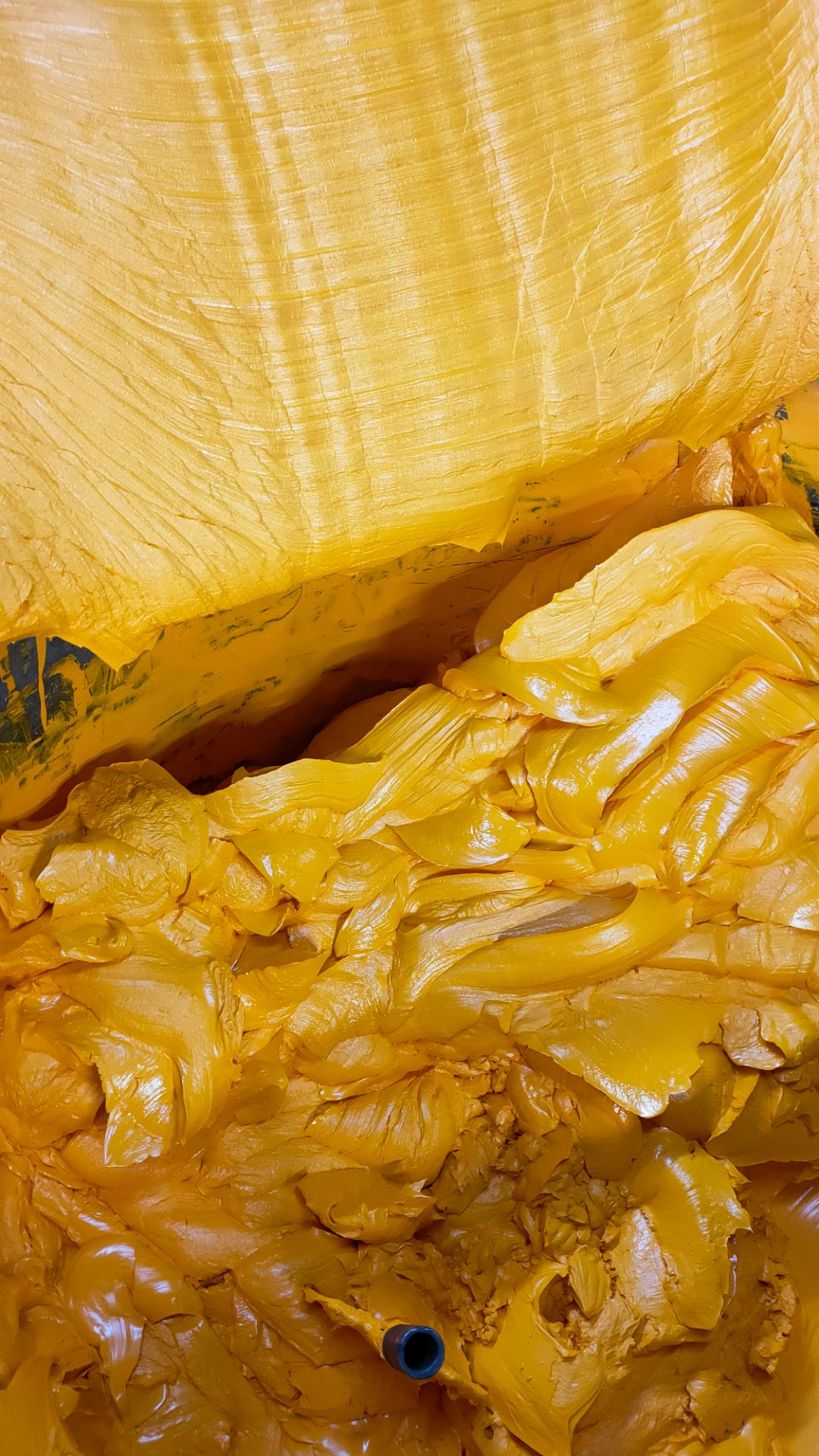
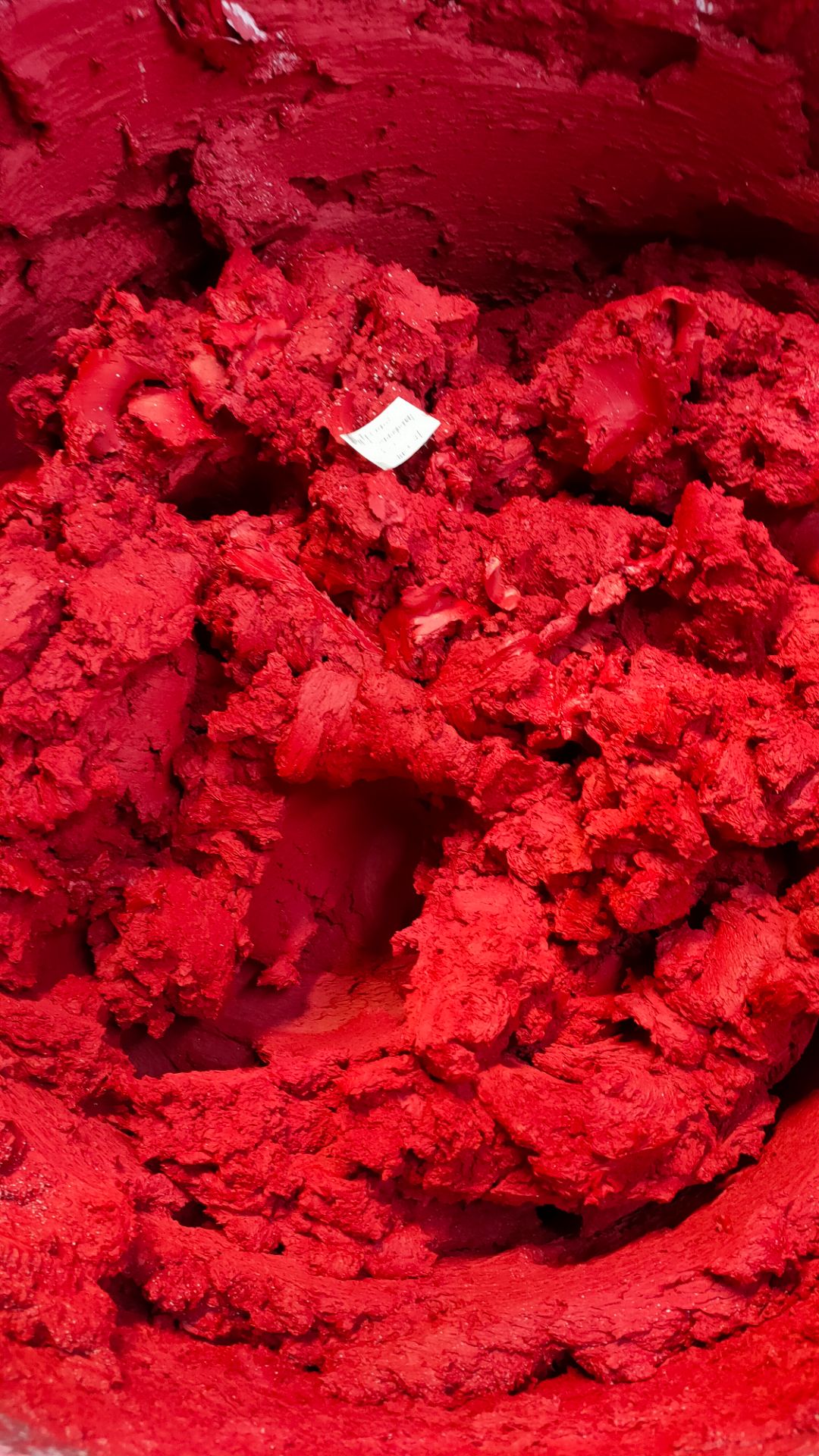
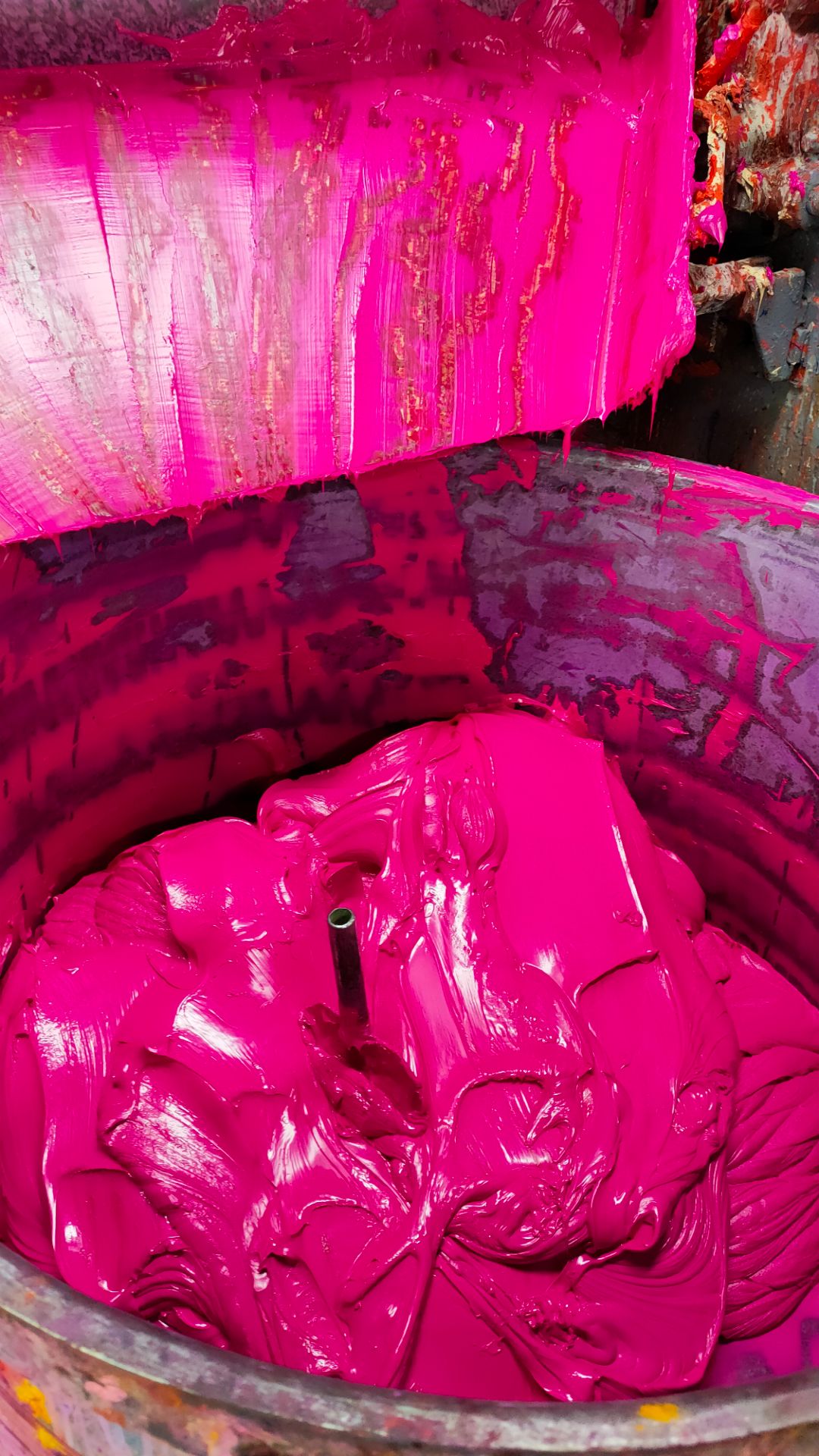
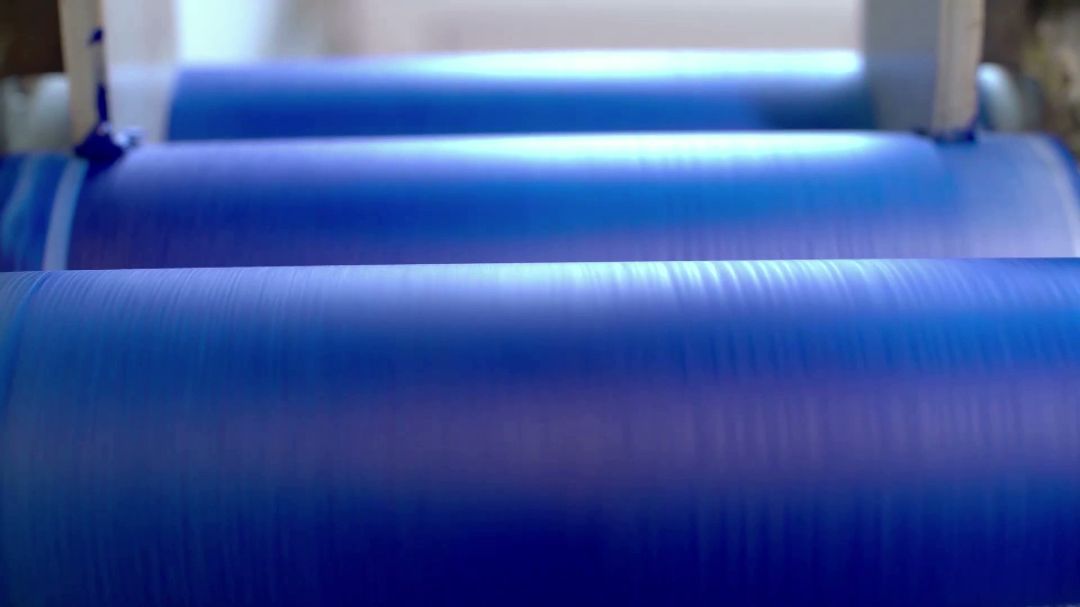
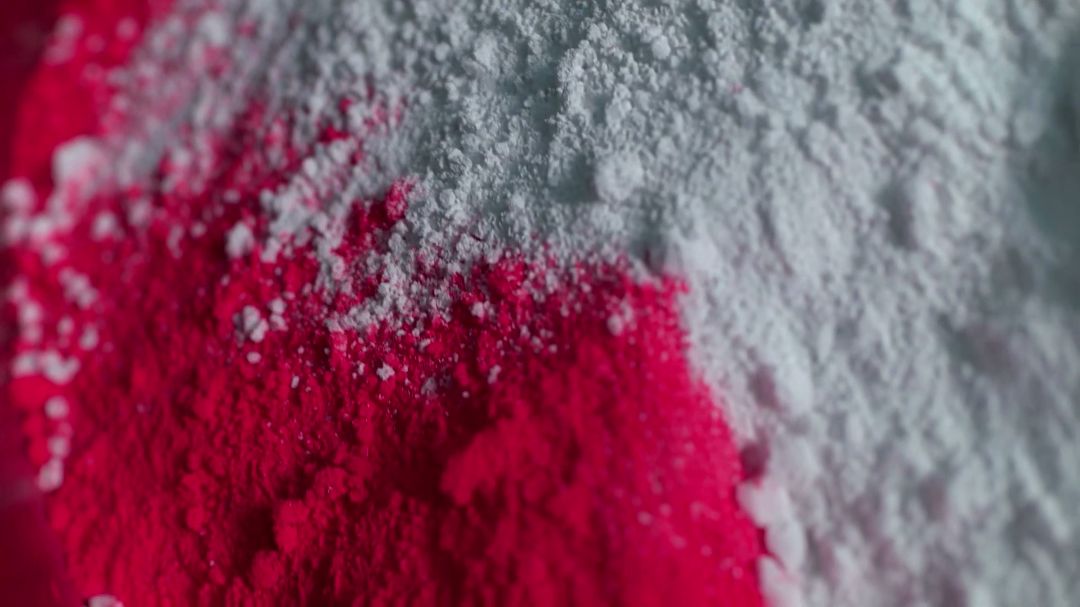
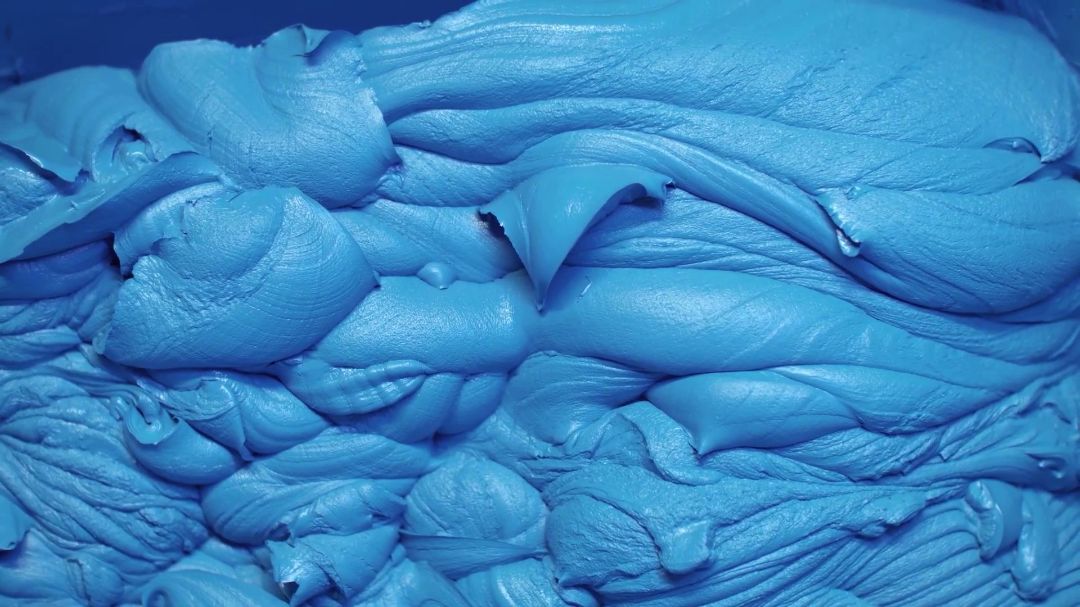


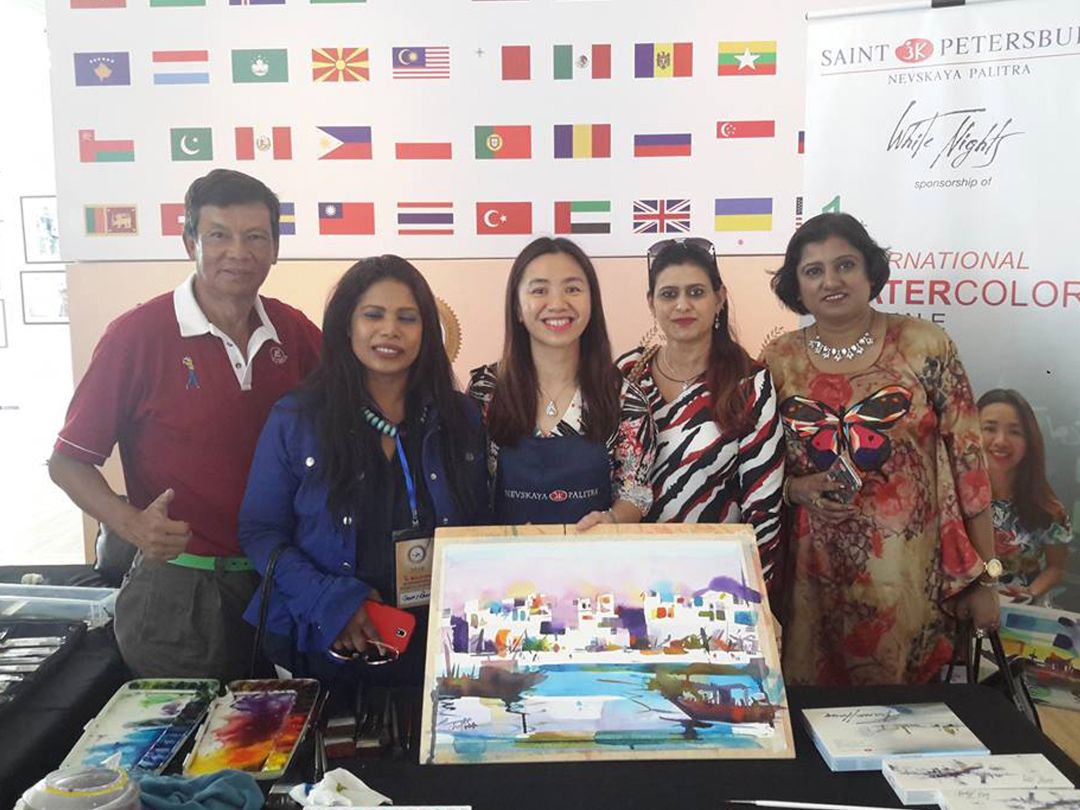
Over the decades, the company has developed brands that are recognised both in Russia and internationally, including White Nights, Master-Class, Ladoga and Sonnet. Today, Nevskaya Palitra products are available in more than 80 countries and are used by professional artists, art educators, students and enthusiasts alike. By creating its products in Saint Petersburg - the city of the Russian Museum, the Hermitage, the Imperial Academy of Arts and generations of great Russian painters - the company continues a Saint Petersburg tradition in which art, science and technology have shaped the culture of colour for centuries.


From Natural Pigments to Modern Technologies
Such an extensive pigment base has deep historical roots. Russia is rich in mineral resources that have served as the foundation for pigments and paints for centuries. Deposits of malachite, azurite and natural earths from the Ural Mountains were used for generations in decorative arts, icon painting and fine art, helping to establish a rich tradition of working with colour.
Colour Heritage
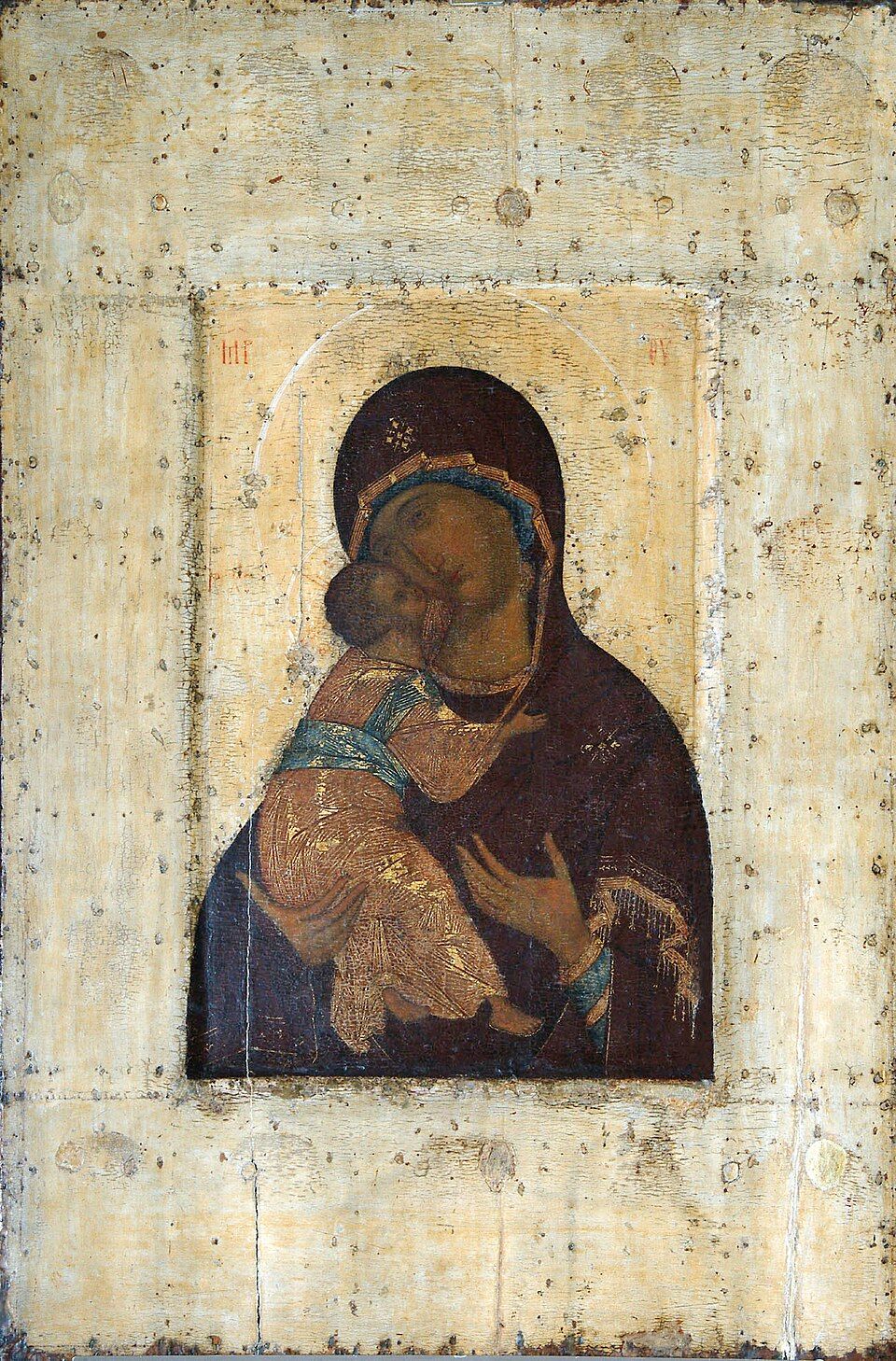
Andrei Rublev. The Virgin of Vladimir. (1395-1410)

The Bogolyubskaya Icon of the Mother of God. 12th century. Knyaginin Convent in Vladimir

Andrei Rublev. The Trinity Icon


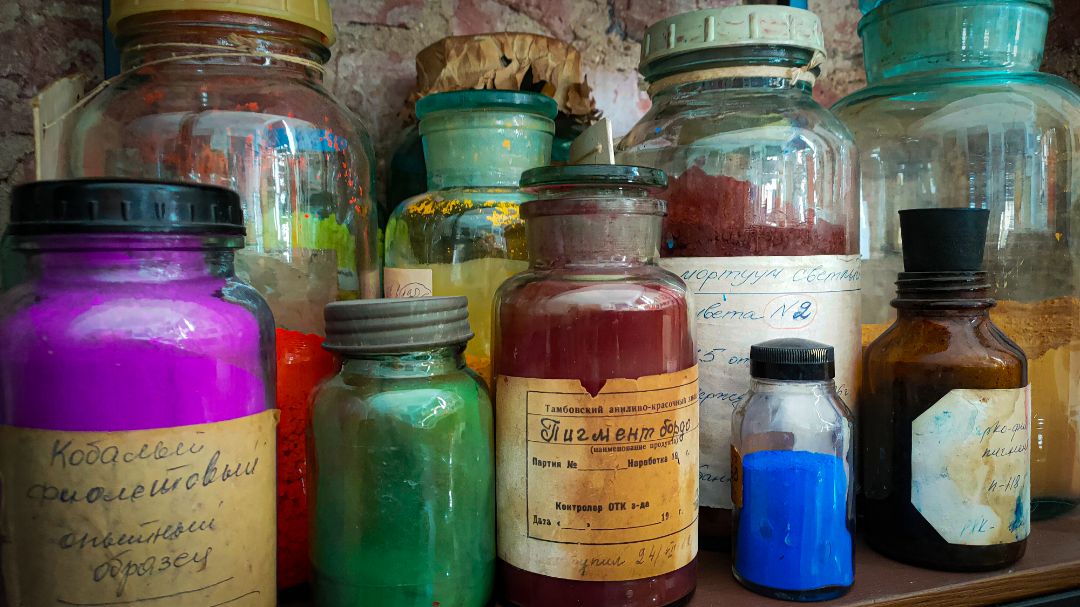
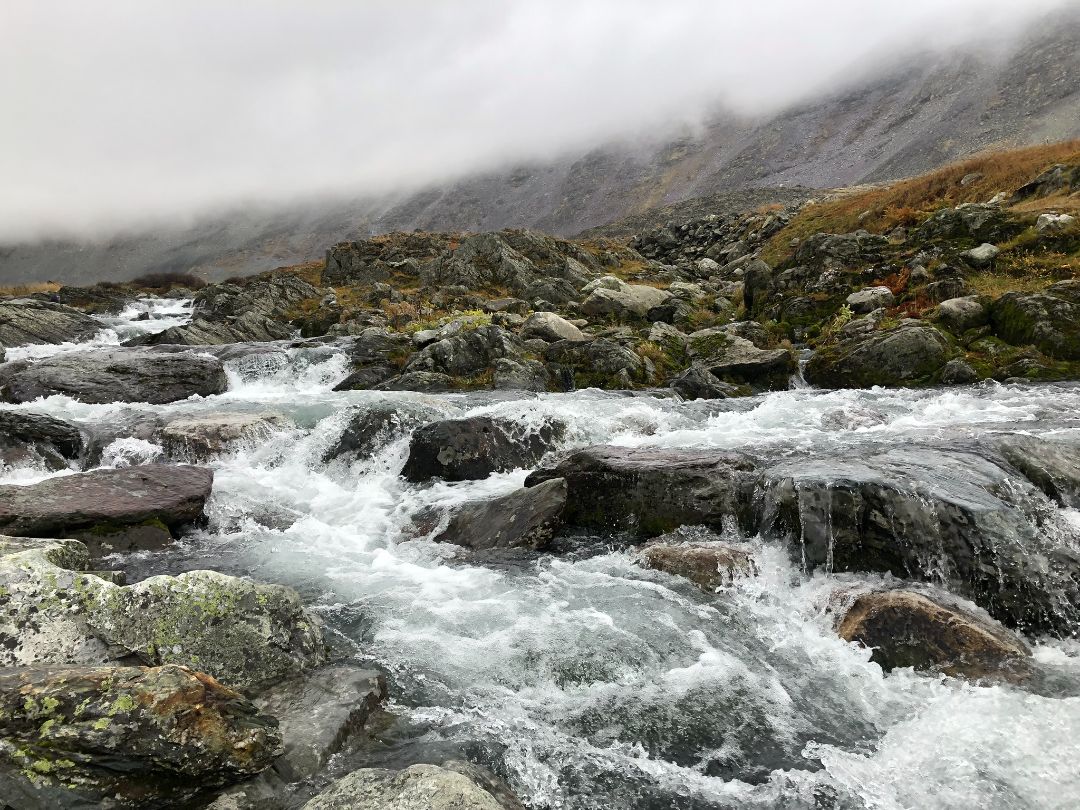



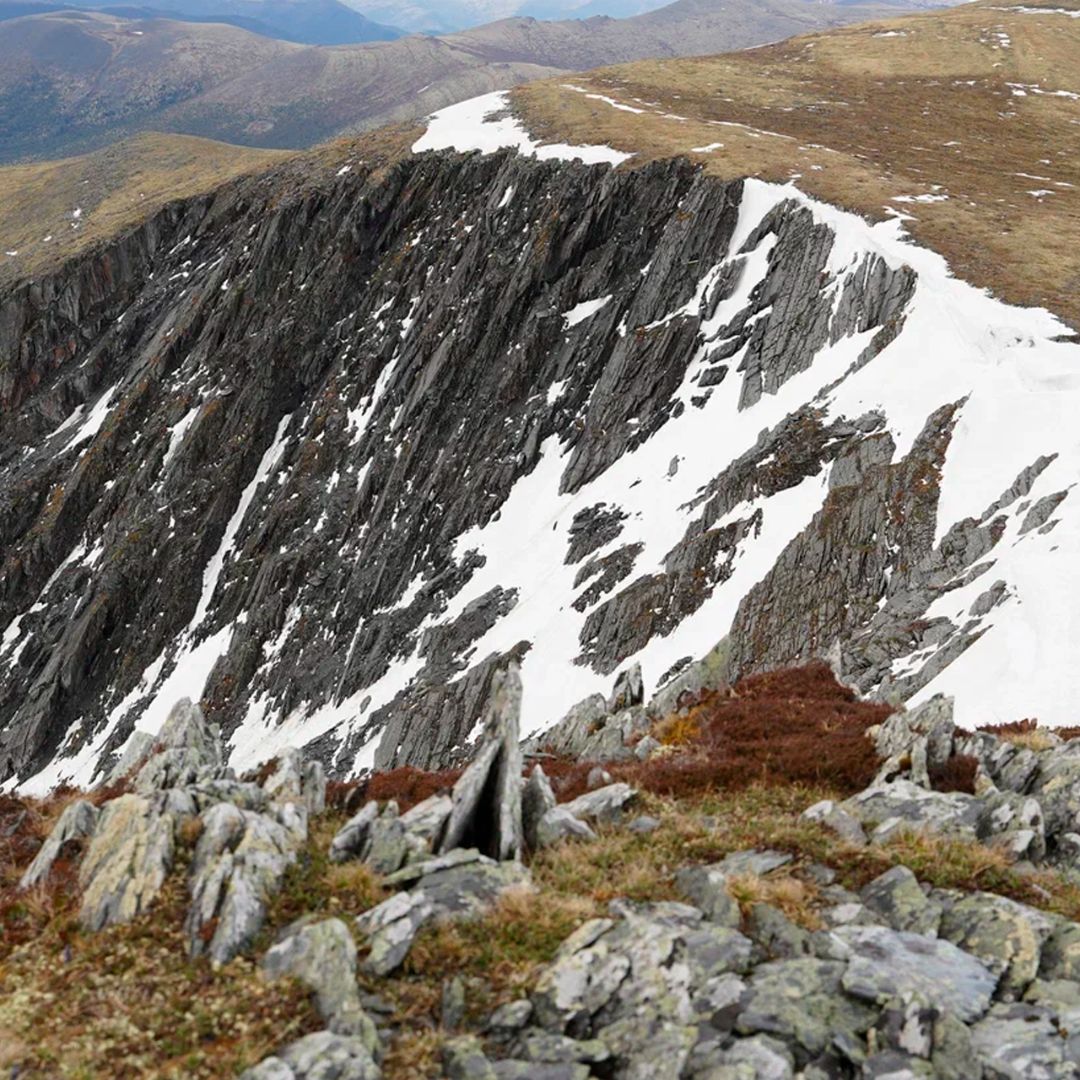
Today, Nevskaya Palitra maintains one of the most extensive pigment bases in the artists’ materials industry, combining natural earths, mineral pigments and modern synthetic colours. Its own scientific and manufacturing facilities enable the company to preserve and develop long-standing traditions in the production of artists’ materials while continuously advancing modern paint-making technologies.
In this way, natural resources, accumulated expertise and modern technologies continue to work together, ensuring continuity between centuries of colour-making tradition and contemporary artists’ materials.

Sources
- Russian Academy of Arts Archives.
- State Russian Museum.
- State Hermitage Museum.
- Historical publications on the Imperial Academy of Arts and Russian art education.
- Eurasia Art Journal: The Restoration of the Academy of Arts in the 1930s
- https://eurasia-art.ru/art/article/view/940/1266
- Historical materials relating to the industrial heritage of the Julius Friedländer site.
- PastVu Historical Archive
- https://pastvu.com/p/201743
- Nevskaya Palitra Corporate Archives.


CRM-форма появится здесь